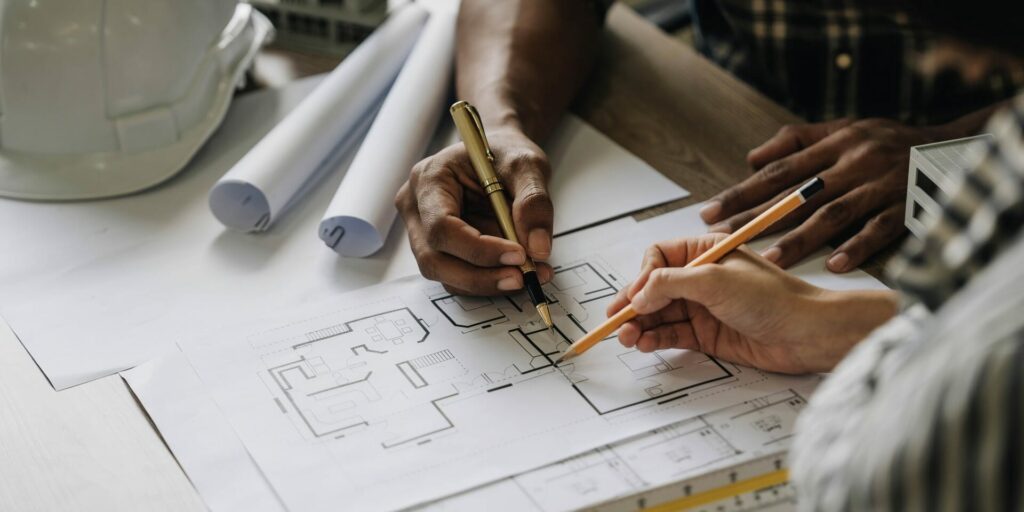
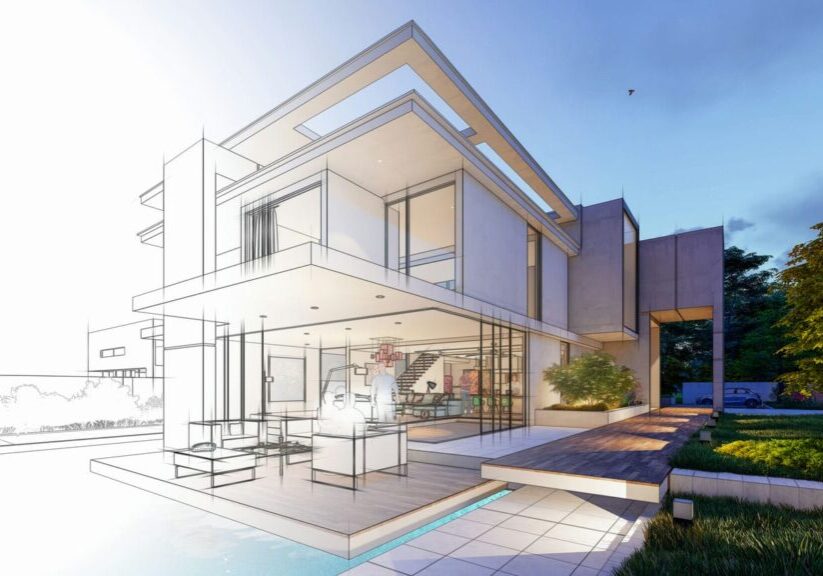
When you’re building a custom home, schematic design and design development are where most of the real thinking happens. Schematic design is where you test and choose the big‑picture layout and massing. Design development is where you coordinate structure, envelope, windows, interiors, and energy so that concept can be priced and permitted without drawing the same house twice. We run both phases as part of one integrated architectural design process so you move from first ideas to a permit‑ready package without drama.
If you’re like most people, you’ve heard these terms from architects or builders but you’re not sure what you should be deciding now, what can wait, or what you’re actually paying for. You just know you don’t want endless redesigns, surprise costs, or a permit that drags on for months.
This guide zooms in on schematic design vs design development for custom homes in Greater Vancouver. You’ll see what actually changes between these phases, what you should focus on in each, and how we structure them so you design once and build once.
What Schematic Design and Design Development Actually Mean

Simple Definitions in Plain English
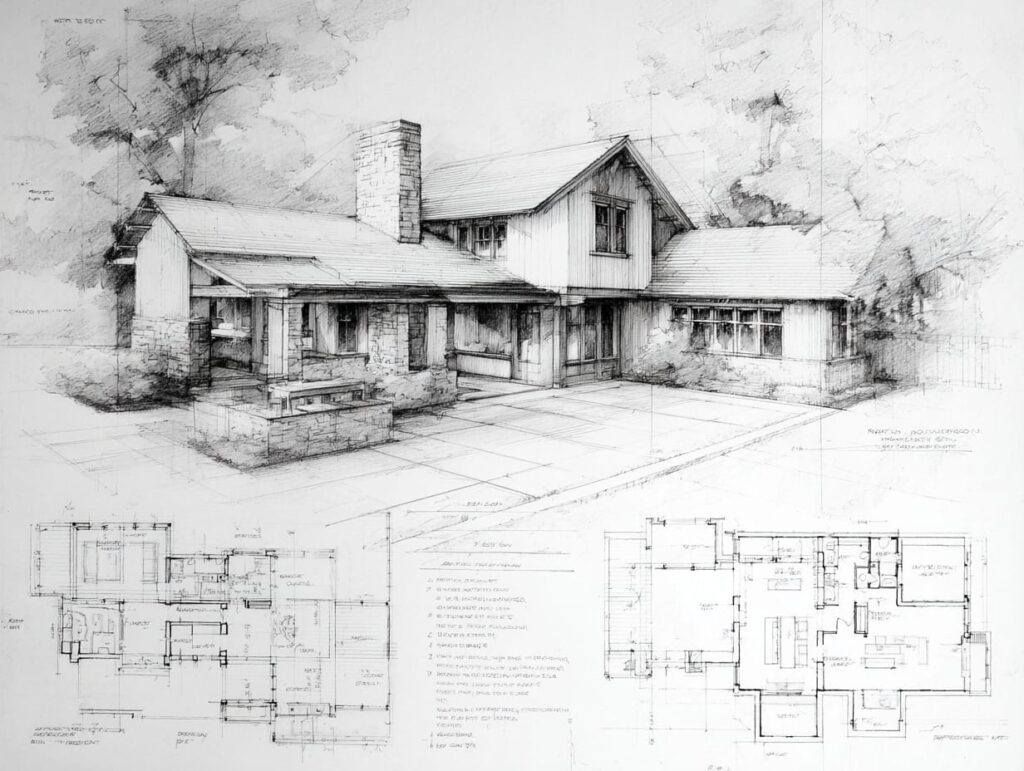
Schematic design is the “what goes where” phase. Your team takes your goals, site, and budget range and turns them into a few clear layout options. You’re deciding how you move through the home, what the rough massing looks like, and how it sits on the lot. The drawings are simple on purpose so changes are cheap and fast.
Design development is the “can this work in real life” phase. Once you pick a direction, we tighten the structure, wall and roof assemblies, window sizes and performance, and key interior layouts. It’s where the energy model and structural thinking catch up to the design so the house can actually be built as drawn. In short: schematic decides the right house, design development decides the right way to build it.
Where These Phases Sit in Your Custom Home Timeline
Your custom home doesn’t jump straight from idea to construction. The big arc looks like this: pre‑design/brief → schematic design → design development → permit drawings → construction drawings → construction. Schematic and design development sit in the middle, between your initial brief and the permit set.
They are where the important trade‑offs live: space vs budget, glass vs energy, structure vs openness. If you want a full phase‑by‑phase view beyond these two stages, we break that down in Architectural Design Phases Explained For Custom Homes.
Why The Difference Matters for Budget and Timeline
If you blur schematic design and design development into one fuzzy “design” phase, you pay for it later. You end up making big changes at the wrong time, re‑pricing the job over and over, and submitting a permit set that’s still moving under the surface. That means more design hours, a wobbly budget, and a longer path to approvals.
When you treat each phase properly, the opposite happens. You make broad, low‑cost decisions in schematic. You refine and coordinate in design development. Your builder gets enough clarity to pre‑book trades and hold a fixed price. The city sees a stable package, not a moving target. The difference is weeks or months off your timeline.
Schematic Design: Explore And Choose the Right Concept

What Happens in Schematic Design
Schematic design starts with your brief and site. We look at who lives in the home, how you want to live, and what your lot and zoning will allow. Then we translate that into two or three serious plan options rather than a dozen throwaway sketches. Each option trades space, light, and storage in different ways so you can react to something concrete.
We also begin to test massing and basic elevations. How tall the home feels, how it steps with the grade, and how it meets the street all show up here. The drawings are deliberately lean. We want you to focus on the big calls: “Do we like this flow?” and “Does this feel like us on this site?”
Decisions You Should Make In Schematic Design
In schematic design, your main job is to choose how you want to live in the house. That means deciding which floor plan concept is right, how rooms relate, where main entries and exits live, and how circulation works. You’re also deciding key adjacencies: kitchen to pantry, garage to mudroom, laundry to bedrooms, primary suite to everything else.
You should also settle on a rough window and light strategy. Which rooms must catch morning sun, which need privacy, which want framed views. Exact sizes can wait, but the intent should be clear. At the end of schematic, you should be able to say, “Yes, this is the way we want to live on this site.”
What Stays Flexible At This Stage
Not everything belongs in schematic design. You do not need to know the exact tile for each bathroom or the faucet model in the powder room. You also don’t need every wall thickness or ceiling detail locked. Those live later, once the structure and envelope are settled.
Keeping some things flexible protects you. If you try to nail down every finish and detail too early, you either waste time on a scheme you don’t pick or you get so attached that changing the plan feels impossible. Focus on the bones: layout, movement, light, and the feel of key rooms. If you need help thinking through layouts, Your Guide To Crafting The Perfect Floor Plan is a good companion.
Common Schematic Design Mistakes
The biggest schematic mistake is thinking “more options are better.” Ten plan concepts feel like choice, but they usually mean you don’t have a clear brief. Two or three well‑developed options that respond to your goals are far more useful than a pile of variations. Another mistake is ignoring budget and zoning reality, designing first and worrying about rules later.
We also see people fixate on finishes at this stage, then feel whiplash when layouts change. A stronger approach is to define your brief, know your budget band, respect your zoning, and then explore serious options that fit. If you want to sanity‑check whether you’re ready to start design, you can also read 5 Things To Consider Before Starting Your Custom Home Architecture before you dive into schematics.
Design Development: Make The Concept Buildable

Coordinating Envelope, Structure, Windows, And Energy
Once a schematic direction is chosen, design development gets to work making it buildable. We confirm wall, roof, and slab assemblies. We set spans and structural grids. We tune window sizes, locations, and performance levels. This is where the structural engineer and energy advisor move from background to foreground so the model and the drawings tell the same story.
Done properly, design development is where comfort and durability get locked in. You can still shift things, but every change touches more pieces. A window move now affects structure, energy performance, and interior layouts. That’s why the schematic phase is so important: it lets you make big calls before the technical web gets tight.
Refining Interiors, Kitchens, Baths, And Storage
Inside the shell, design development takes your rough rooms and turns them into real spaces. Kitchens gain appliance layouts, work zones, and storage. Bathrooms get fixture locations that respect structure and drainage. Stairs, hallways, and built‑ins take shape in relation to ceiling heights and mechanical runs. Storage gets designed in, not left to chance.
We also start routing mechanical and electrical systems so they play nicely with structure and interiors. Ducts and plumbing stacks need somewhere to live. It’s much cheaper to plan them in DD (design development) than to find out on site that they want to occupy the same space as your feature beam.
What A Good Design Development Package Includes
A solid DD package feels coordinated. Plans, sections, and elevations agree with each other. Wall types and floor levels are clear. Window and door information is developed enough to align with energy targets and supplier ranges. There are key details for typical junctions so the overall intent is obvious.
This is also the stage where your builder can price with far more confidence. They’re no longer guessing at assemblies or window performance. They have enough information to talk to trades and suppliers. The permit set that follows DD should feel like a documentation exercise more than a design exercise.
Design Development Mistakes to Avoid
The classic DD mistake is re‑opening the entire layout. When you pull on that thread, everything moves—structure, energy, windows, interiors. Another misstep is changing the window strategy dramatically. Swapping large punched windows for a glass wall affects cost, comfort, and energy in one hit.
Treating design development as a décor phase is another trap. Finishes matter, but DD is about how the house is built, not just how it looks. And trying to keep the builder at arm’s length to “protect” the design only delays hard cost conversations. Bringing the builder into DD early makes the final package stronger.
Schematic Design Vs Design Development: Key Differences at a Glance
Side-By-Side Comparison Table
Here’s a simple way to see the difference:
| Phase | Key Question | Your Focus |
| Schematic Design | “Is this the right way to live on this site?” | Layout, adjacencies, massing, light, privacy, overall feel |
| Design Development | “Can we build this as drawn within our constraints?” | Windows, assemblies, structure, key interior layouts, energy |
Think of schematic as testing the right story for your home and site. Design development is making sure the story is structurally sound, comfortable, and affordable to build. When you try to answer DD‑level questions while you’re still undecided on the story, you end up stuck and frustrated.
Cost, Iterations, And When Decisions Should Lock
Most of your “what if we…” questions belong in schematic design. That’s when drawing and thinking are cheap. Design development should be more about refining, coordinating, and stress‑testing than reinventing. If you keep re‑opening schematic decisions in DD, your fees climb and your schedule stretches.
A healthy pattern looks like this: by the end of schematic design, you have a chosen plan and massing. By the end of design development, you have a stable window and envelope strategy, a structural logic that works, and interior layouts that support real life. The clearer those gates are, the easier it is to hold a budget and timeline.
How These Phases Feed Your Permit Drawing Set
What Must Be Resolved Before Permit Submission
By the time you apply for a building permit, your schematic and design development work should be done. The city expects a house with a clear footprint, massing, and elevation language. They also expect a coordinated structure, envelope, and window schedule that supports code and energy compliance.
Permits are not the place to be testing ideas. They are where you document decisions you’ve already made. When schematic and DD are strong, the permit set pulls from a stable design. When they’re weak, permit becomes a second design phase, which is slower and more expensive.
What Municipalities Like Vancouver Expect
Municipalities like Vancouver want vector PDF drawings, not scanned sketches. They expect coordinated plans, sections, and elevations. They look for a clean zoning and code summary, and they can tell quickly when the design is still shifting behind the scenes. A tidy, consistent set is simply easier to approve.
If you want to see how they frame things,Vancouver’s “Get A Building Permit” page outlines the main categories and steps at a high level. It doesn’t replace professional advice, but it gives you a sense of what a complete application looks like.
From Design Development To Permit Drawings (And Beyond)
Once design development is complete, permit drawings pull the DD decisions into a city‑friendly format. That might mean more sheets and more annotation, but it shouldn’t mean changing the core design. After permit, construction drawings add additional details for trades.
We go into the nuts and bolts of permit sets in Vancouver Building Permit Drawing Set: What Your Application Must Include. If you’re curious what the City sees when we submit on your behalf, that’s the place to look.
Your Role as a Homeowner in Each Phase
How To Give Feedback During Schematic Design
During schematic design, focus on how the home lives. Ask yourself whether the flow feels natural. Think about where you’ll drop bags, where noise will travel, and how you’ll use indoor–outdoor spaces. Comment on light and privacy. Don’t worry yet about faucet styles.
It helps to rank your feedback instead of dumping everything into one list. Call out a few “must‑fix” items and a handful of “nice‑to‑tweak” notes. That lets your design team respond clearly without losing momentum.
How To Give Feedback During Design Development
In design development, your feedback should get more specific but less dramatic. This is the time to talk about comfort, practicality, and maintenance. Are stairs and hallways comfortable? Is there enough storage? Are windows placed where they’ll be useful rather than just pretty?
This is not the time to reorder the entire plan. Treat major layout changes as a last resort, not a default. Ask your team when a change is light‑touch and when it will ripple through structure, energy, and permits. That one question can save you months.
When To Bring Your Builder And Architect Together
Your builder should be in the conversation by late schematic or early design development. Waiting until after permit often means discovering cost or constructability issues when it’s expensive to react. A builder who understands the drawings can flag complexity, suggest better details, and help line up trades and suppliers in step with design.
If you’re unsure who should lead and when, we unpack that in Who Comes First The Builder Or The Architect, so you can structure your team in a way that fits your priorities.
How Versa Homes Runs Schematic Design and Design Development
One Team Guiding Both Phases
At Versa Homes, schematic design and design development live under one roof. We’re not handing you off to a separate design firm and hoping their choices make sense in the field. Our design and build teams talk to each other while your plans are evolving, not after they’re “finished.”
That means we can test how ideas will perform on site, check them against budget, and resolve trade‑offs early. Structural and energy decisions happen alongside architectural moves, not bolted on after the fact. The result is a design that is ambitious where it counts and pragmatic where it matters.
Design Once, Build Once: Fixed Price And Pre-Booked Trades
Because our design phases are structured, we can offer things many builders can’t. We use a fixed‑price contract model once there’s enough DD clarity. We build a detailed schedule and pre‑book trades so you’re not fighting the market at the last minute. We give you access to a client portal with daily logs and photos, so you’re never guessing what happened this week.
We also back your move‑in with a Move‑In Date Commitment and your home with our Versa Shield 3‑6‑11 coverage. Those aren’t slogans; they’re promises that only work because schematic design and design development are handled with discipline.
What It Feels Like To Work With Us Through These Phases
Practically, working with us through schematic and DD feels structured but relaxed. You get a clear agenda for each meeting, know what decisions are on the table, and see steady progress with every iteration. We push back when a change will hurt you later and lean in when we see a smarter way to solve a problem.
Our clients tell us the biggest relief is not having to babysit the process. They know the people designing their home are the same people who will be responsible for building it, on a fixed price and a real schedule. That alignment changes the tone of every conversation.
Planning Your Custom Home? Here’s A Smart Next Step
Maybe you have sketches from an architect, half‑finished drawings, or just a few ideas on a napkin. Maybe you’re mid‑design and not sure whether you’re still in schematic or already in DD. Wherever you are, the smartest next step is to get clear on what’s done, what’s missing, and how that affects your budget and timeline.
We can review your current materials, map out which phase you’re in, and show you what it takes to move to a coordinated, permit‑ready architectural design that supports a fixed‑price build. Our experience spans complex cliffside homes, large estates, and detailed infill projects across Greater Vancouver. We back that with fixed‑price contracts, pre‑booked trades, a transparent client portal, a Move‑In Date Commitment, and Versa Shield warranty coverage.
FAQs
What Is The Main Difference Between Schematic Design And Design Development?
Schematic design explores and selects the overall concept and layout for your custom home. Design development refines that chosen concept into a coordinated, technically buildable design, with structure, envelope, windows, and interiors aligned so it can be priced and permitted.
Which Phase Comes First For A Custom Home?
Schematic design always comes first. Design development only makes sense once you’ve committed to a clear direction; otherwise you’re trying to coordinate a moving target.
Do I Need Both Phases, Or Can I Jump Straight To Permit Drawings?
Skipping design development almost always backfires. You end up resolving DD issues during permit review or on site, which is slower, more stressful, and more expensive than doing the work up front.
What Do I Get At The End Of Schematic Design?
You should have a chosen plan concept, basic massing and elevation direction, and enough clarity about how the home lives on the site to move into detailed coordination. You should not expect a full permit set or final specifications at this point.
What Do I Get At The End Of Design Development?
You should have coordinated plans, sections, and elevations, a clear envelope and window strategy, and enough information for confident pricing and permit‑ready drawings. At that point, permit and construction drawings are documenting decisions rather than inventing them.
When Are Layout And Window Sizes “Locked”?
Layout and adjacencies mostly lock at the end of schematic design, with only minor tuning later. Window sizes, locations, and performance levels typically lock by the end of design development, once energy and structure are aligned.
When Should My Builder Get Involved In Design?
Ideally by late schematic or early design development. That’s when cost, constructability, and schedule can still shape decisions without forcing major redesigns. Waiting until after permit often leads to painful trade‑offs.
How Do These Phases Affect My Budget And Timeline?
Clean schematic and DD phases keep design hours under control, make pricing more accurate, and produce a permit set the City can review more quickly. Blurry phases do the opposite: more redesign, more re‑pricing, and a longer path to “approved.”

Felipe Freig
Founder of Versa Homes
Felipe Freig is the founder of Versa Homes, a Vancouver custom home builder known for architecturally driven, fixed-price projects. With years of hands-on site experience and deep permitting and by-law knowledge, Felipe leads high-performance teams that deliver precision craftsmanship, clear budgets, and on-schedule luxury homes.
You May Also Like...
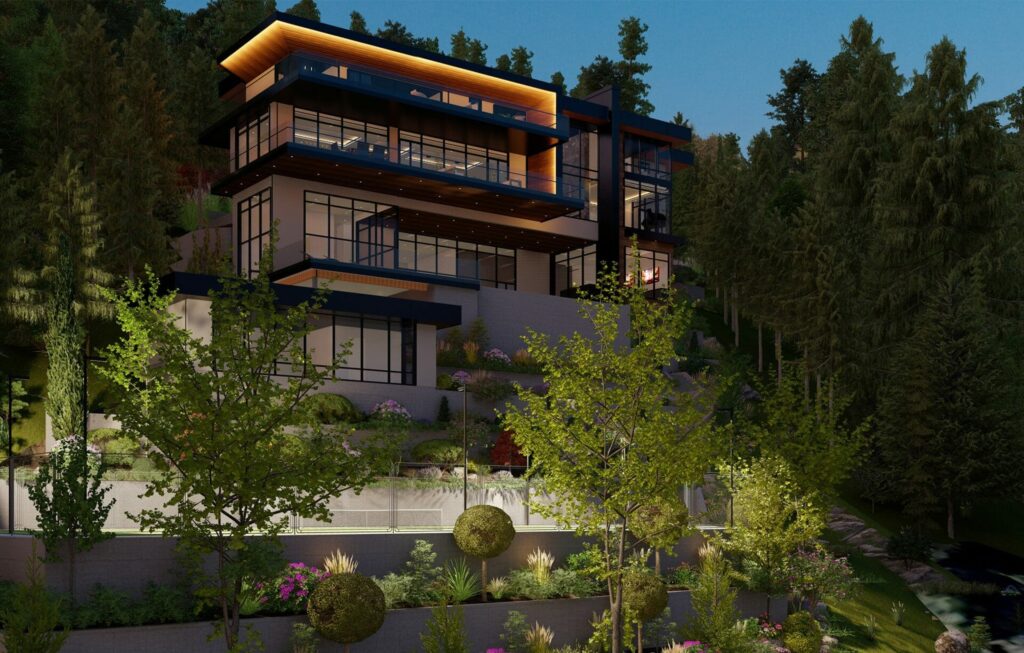
How Do I Choose the Right Architect for Designing My Custom Home?
Why Versa Homes Offers a Guaranteed Move-In Date — Or Pays You $5,000
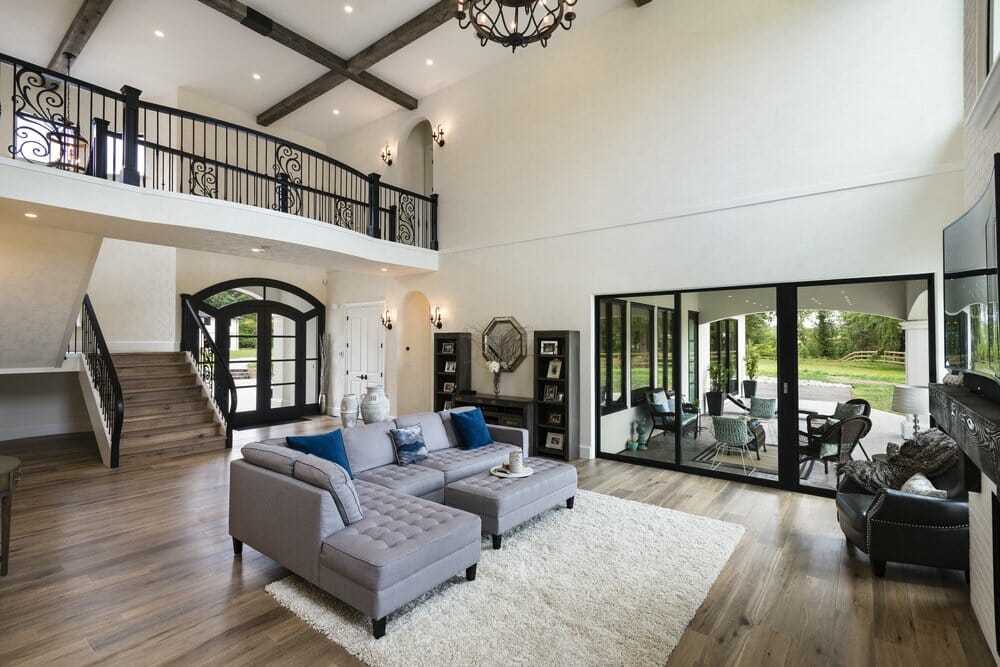
Interior Design: Clever Storage Solutions for Your Custom Home
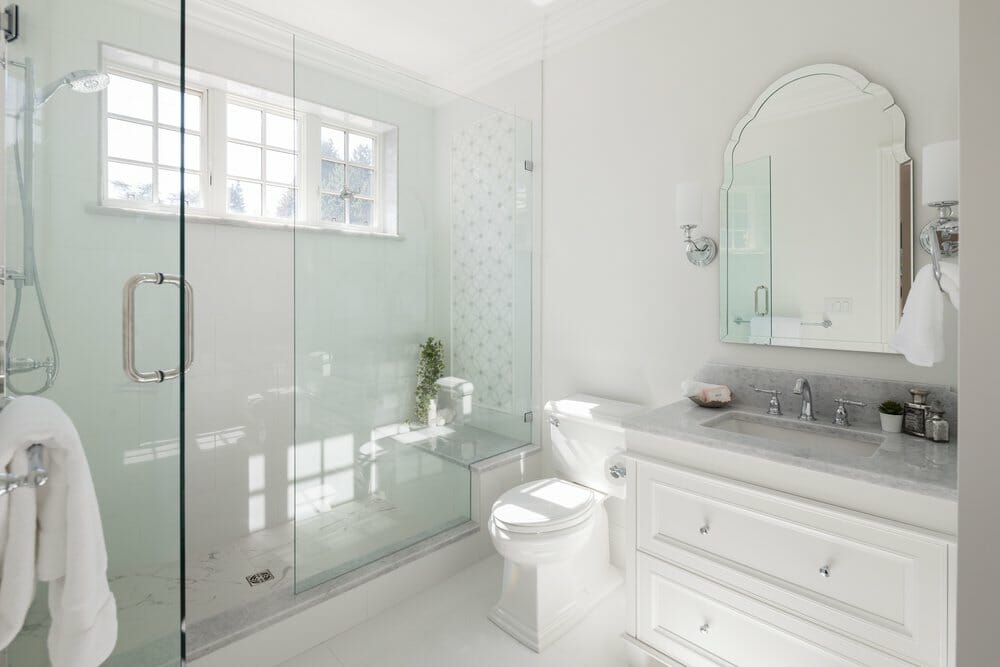
Top 3 Rated Shower Membrane Kits for Your Custom Shower
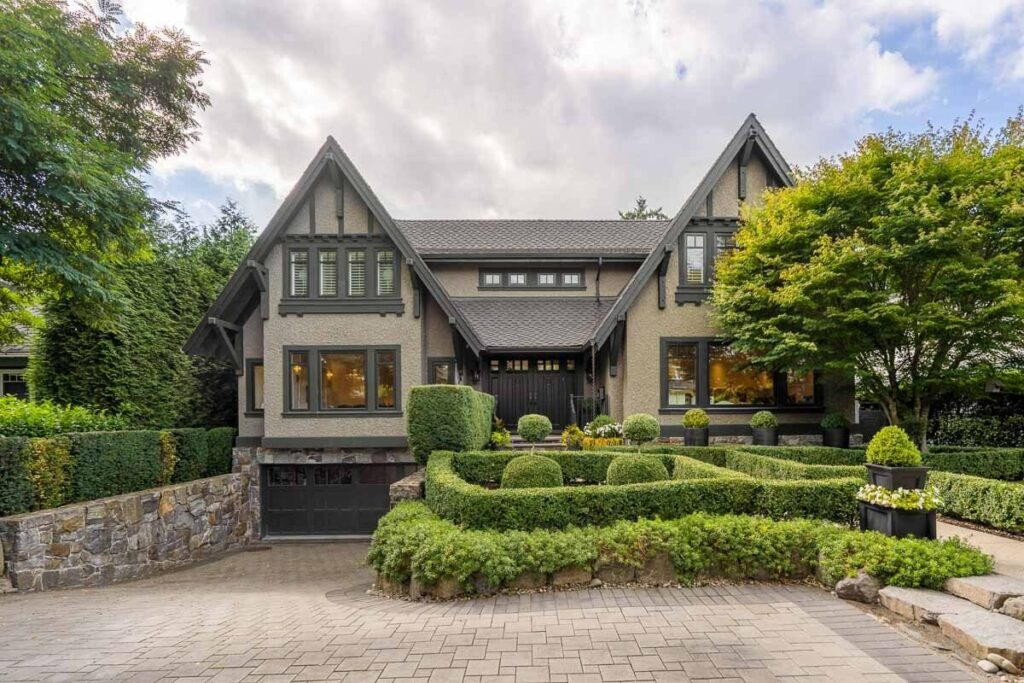
What is the difference between cost plus and fixed price?
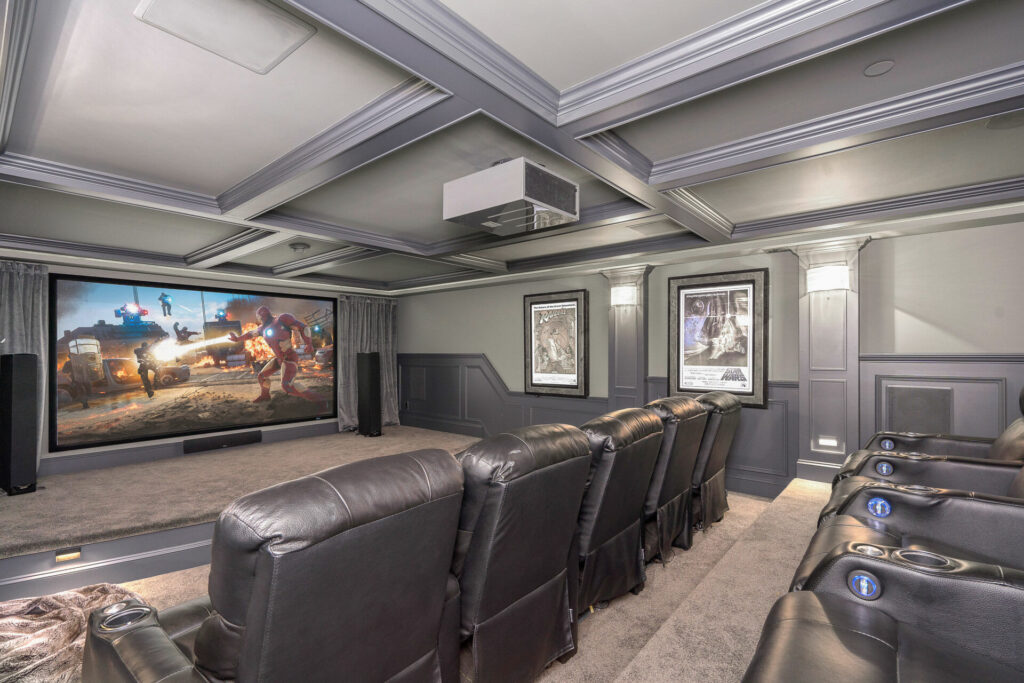
Creating an Extraordinary Custom Home Theater: Key Considerations for Your Media Room
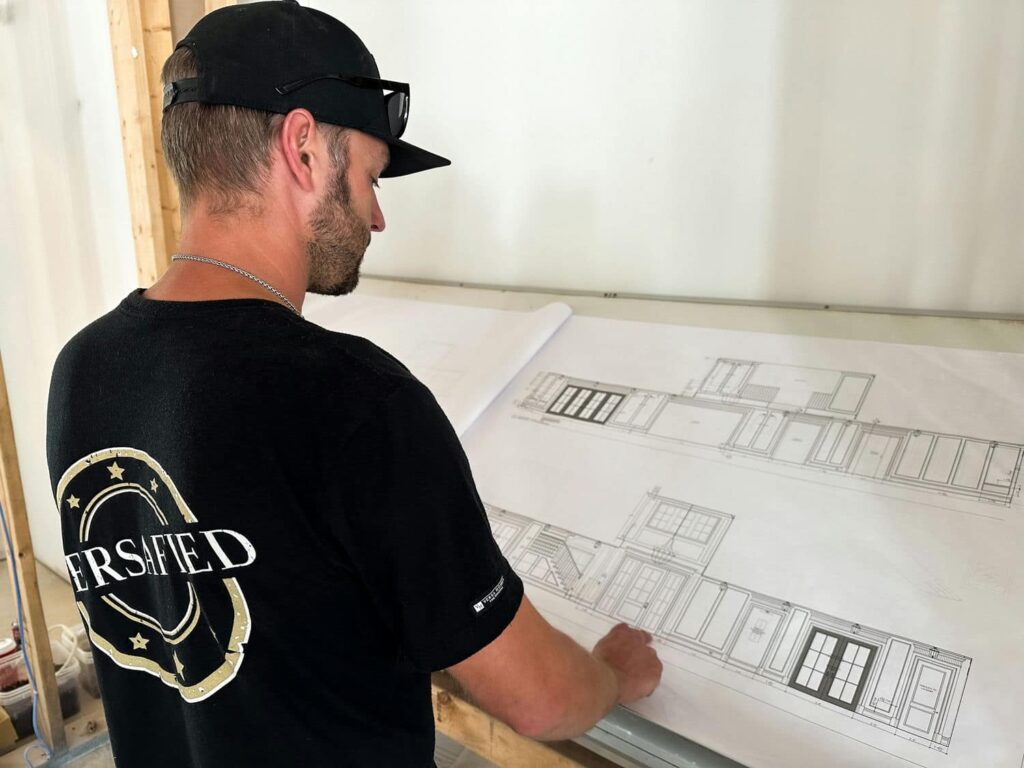
How to Choose the Perfect Floor Plan for Your Family

Window-To-Wall Ratio And Daylighting: Getting The Balance Right