
Design moves faster and costs less when you understand the phases up front. In plain terms, your custom home flows from Pre‑Design → Schematic Design → Design Development → Permit Set → Construction Drawings → Construction Administration.
Each phase has a purpose, deliverables, and clear decisions to lock so you do not redraw later. We guide you through the steps and coordinate consultants so your permit set is complete the first time. For the full scope we manage at this stage, see our architectural design service.
What The Architectural Design Phases Are
Why Phases Exist
Phases create order. They help you explore options when choices are cheap and then narrow to buildable detail at the right time. By moving from ideas to coordination and finally to instructions for construction, you avoid chasing changes across drawings, specs, and models. That discipline is what keeps timelines predictable.
Think of each phase as a gate. When you pass a gate, a set of decisions is closed and the next team gets to work. This protects budget and prevents tradeoffs from sliding around mid‑project.
Who Does What (Owner, Designer, Consultants)
You set goals, budget, and taste. We translate that into plans, assemblies, and details. Along the way, consultants join at the right moments: survey at the start; energy advisor during early modelling and permit; structure as spans and loads firm up; interiors as kitchens, baths, and storage take shape. Our job is to keep all inputs aligned so the package reads as one story.
When responsibilities are clear, approvals move. City reviewers trust a coordinated set. Trades price a consistent scope. You spend less time in meetings and more time seeing real progress.
At‑A‑Glance Summary
| Phase | What You Decide | What We Deliver |
| Pre‑Design | Budget, wishlist, site priorities | Feasibility scan, program, site constraints |
| Schematic Design | Massing and layout options | Concept plans, early elevations |
| Design Development | Envelope, windows, materials | Coordinated plans/sections/details (DD set) |
| Permit Set | Code/energy sign‑off | Complete permit drawings and checklists |
| Construction Drawings | Final specs and details | Issued‑For‑Construction (IFC) set |
| Construction Administration | Field decisions | Clarifications, site reviews, tidy revisions |
Pre‑Design And Feasibility (Start Smart)
Program, Budget, And Site Reality
We begin by listening. What rooms do you need, how do you live, and what do you not want to compromise? We map these goals to a budget range so decisions stay grounded. Then we translate lifestyle into adjacencies: where you cook, gather, work, and sleep. This is the time to talk honestly about quality level and future needs.
From there, we shape first constraints: approximate building area, parking approach, and any must‑haves that affect massing. Simple moves here prevent expensive fixes later. A clean brief saves months in design and permitting.
Surveys, Studies, And Early Risks
Everything sits on a current legal survey. Lot lines, easements, grades, and trees drive setbacks, height, and siting. We surface early risks like slope, services, and spatial separation so we can steer around them. If you are just getting oriented, read 5 Things To Consider Before Starting Your Custom Home Architecture for a plain‑English checklist.
We also set energy and ventilation targets now. That lets us size the envelope and windows correctly before anyone models performance. When the model and drawings agree from the start, the permit goes smoother.
Schematic Design
Plan And Massing Concepts
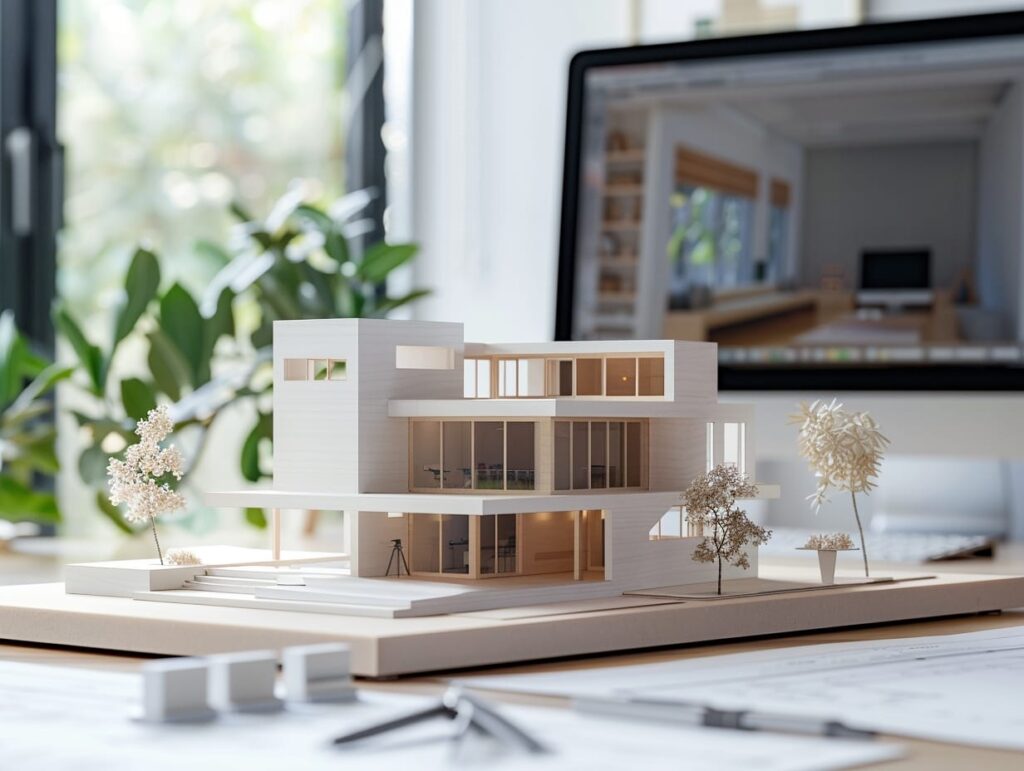
You will see two or three clear plan options, not a pile of sketches. Each option trades space, light, and budget in a way you can understand. We test movement through the home, daylight, privacy, and storage. The goal is not a perfect plan yet; it is to agree on what matters most and why.
Once a plan direction is chosen, we translate it into massing. We check roof form and overall height against setbacks and neighbours. With a massing target in hand, the rest of the design has something solid to follow.
Early Elevations And Window Strategy
Façade choices should serve the plan. We shape window size and placement for daylight and views without upsetting privacy or energy targets. Early window strategy matters because it sets rhythm, cost, and comfort. For deeper planning help on layouts, see Your Guide To Crafting The Perfect Floor Plan.
Schematic ends with a direction that excites you and a massing that fits the rules. We close the gate and move on.
Design Development (Lock The Big Decisions)

Envelope, Structure, And Performance Targets
Now we coordinate envelope assemblies, spans, and window performance so the energy model, structure, and drawings match. We choose typical wall, roof, and slab details and plan for thermal bridges before they become problems. That clears up questions about comfort, durability, and cost at the same time.
We also fix level heights and stair geometry. Small tweaks here can unlock better space use or prevent a zoning hiccup. The outcome is a coordinated set ready to be packaged for permit.
Interior Coordination That Prevents Clashes
Kitchen layouts, bathrooms, built‑ins, and storage are resolved while the shell is still flexible. We confirm chase locations so mechanical and electrical routes do not fight structure. Design Development ends when the drawings, model, and selections speak the same language. From here, we package for the City.
Permit Set (What The City Expects)
Packaging A One‑Pass Submission
In Vancouver for example, the city expects vector PDF drawings, with drawings uploaded separately from forms, schedules, and reports. Landscape is often a separate file. Our cover sheet summarizes zoning and code data so reviewers can trace the compliance story.
We aim for a one‑pass intake. That means consistent sheet order, clean file names, and a coordinated set. Submitting once beats resubmitting fast.
For a deeper checklist and formatting examples, see Vancouver Building Permit Drawing Set: What Your Application Must Include and the Vancouver’s Application Forms & Checklists page.
Energy And Zero‑Carbon Coordination
If your municipality sets a Step Code or Zero Carbon level, the energy model must match the drawings. We keep windows, assemblies, and mechanical notes aligned so the model does not drift. When changes are unavoidable, we re‑sync model and drawings as a single tidy revision package.
Finishing this phase with stability protects the construction schedule. You move to procurement with confidence.
Construction Drawings (Details That Keep Site Moving)
Construction Drawings translate design intent into instructions a foreman can build from. We add wall, roof, and slab details; window and door installation details; typical sections; and schedules that match what is being bought. Clear drawings answer common trade questions before they slow the site.
We also coordinate shop drawings and supplier standards. The aim is fewer RFIs and faster decisions because the information is already on the sheet.
Once specifications issue, we defend them. Substitutions are reviewed as a set so the model, drawings, and supply chain stay aligned. This cuts risk and holds both cost and schedule. It also keeps quality consistent across rooms and trades.
Construction Administration (Clarity During Build)

RFIs, Site Visits, And Clarifications
Questions will surface in the field. We handle them through structured RFIs, scheduled visits, and concise clarifications. The team gets one clear answer, not a trail of emails. When decisions are on time and in writing, labour stays productive and inspections go smoothly.
We also watch for field conditions that deserve a small drawing update now rather than a big fix later. Proactive notes reduce stress and rework.
Managing Revisions Without Chaos
If a revision is required, we return a clean, labelled package. Changes to windows, structure, or mechanicals are coordinated across drawings, schedules, and the energy model. One update, not three. That discipline preserves your timeline.
How We Keep Design On Time (And Out Of Rework)
Our cadence is simple: review, decide, lock, move. We collect decisions into short, focused meetings and document them in the set. When the team stops reopening old choices, momentum builds. You see progress each week and the package stays consistent.
We also protect serviceability: access, clearances, and realistic details are planned early so trades can do the work cleanly. Good drawings make good sites.
Versa Homes uses a fixed‑price contract, a detailed build schedule with pre‑booked trades, and a client portal with 24/7 access, daily logs, and progress photos. We back your timeline with a Move‑In Date Commitment and your home with Versa Shield 3‑6‑11 coverage. Quiet, steady progress beats last‑minute heroics.
Ready to move from ideas to a permit‑ready set without redraws? Start with architectural design and we will map the phases to your site, budget, and timeline.
FAQs
How Long Does Schematic Design Usually Take?
It typically takes a few weeks, depending on the number of options explored and how quickly decisions are made. We keep scope tight and present clear choices so you can decide with confidence.
Do I Need A Survey Before We Start?
Yes. A current legal survey anchors setbacks, height datum, and tree protection zones. Everything else flows from it. Working without a survey leads to redrawing and lost time.
What Is The Difference Between Design Development And The Permit Set?
Design Development resolves the assemblies, structure, and interior moves so the model and drawings match. The Permit Set packages that work in City‑friendly sheets and checklists so review can begin.
How Many Rounds Of Revisions Are Included?
We set a fixed number per phase in your agreement. The fastest projects batch feedback and avoid reopening approved decisions. That is how timelines and budgets stay intact.
Can We Change The Floor Plan After Permit?
Yes, but it may trigger revised drawings and additional reviews. We prefer to lock the plan in Design Development so your permit and schedule are protected.
Do You Coordinate Energy Modelling With The Drawings?
Yes. We keep model inputs and specifications aligned with the set. If you change windows or assemblies, we update both together to avoid re‑submission.
Who Answers Contractor Questions During Construction?
We do. Through Construction Administration we handle RFIs, clarifications, and site reviews so crews get one clear answer and keep moving.
Does This Replace Interior Design?
No. We coordinate major interior decisions during Design Development and can work with your designer for finishes and furnishings. That way the architectural set stays consistent.

Felipe Freig
Founder of Versa Homes
Felipe Freig is the founder of Versa Homes, a Vancouver custom home builder known for architecturally driven, fixed-price projects. With years of hands-on site experience and deep permitting and by-law knowledge, Felipe leads high-performance teams that deliver precision craftsmanship, clear budgets, and on-schedule luxury homes.
You May Also Like...
Buying Waterfront Property in BC: The Natural Boundary, Erosion, Accretion, and the Survey You Actually Need
Exposing the Truth About Cost-Plus Contracts in Custom Home Building
Building Foundations: The Crucial Role of Wood Beams in Ensuring Strength and Stability
Bearing the Weight: The Crucial Role of Foundation Walls in Your Home

Vancouver Building By-Law: Key Design Considerations For New Homes

Vancouver Building Permit Drawing Set: What Your Application Must Include

Architect, Builder, And Engineer: Who Is Responsible For What?