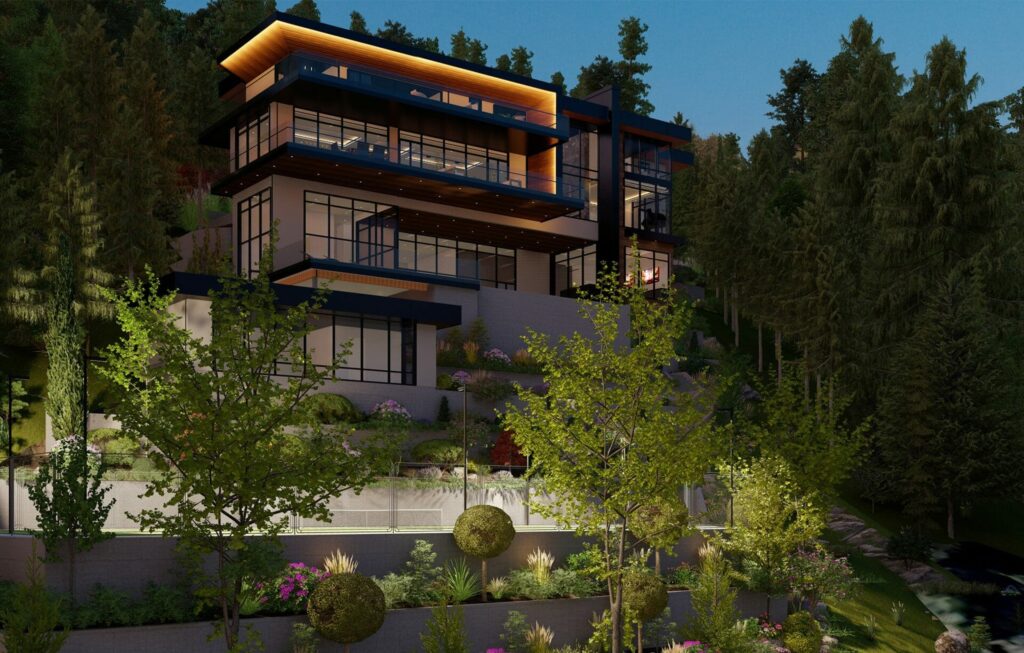

A design brief is the one‑to‑two‑page document that tells your team what you’re building, why, and within which guardrails. It locks goals, budget range, site realities, must‑haves, and decision criteria so design moves quickly without redraws. Done well, it cuts rework, keeps pricing comparable, and shortens the permit path. We turn your brief into schematic options and a permit‑ready set. If you want the brief to drive a first‑pass approval, start with our architectural design team.
What A Custom Home Design Brief Is
One Document To Align Vision, Budget, And Site
A design brief is simple: one document that aligns what you want with what your lot and budget allow. It sets priorities, clarifies trade‑offs, and establishes the rules you’ll use to judge options. That clarity saves weeks. It also prevents “scope drift,” where late ideas force re‑draws and cost escalations.
Because the brief is short, it stays readable. Stakeholders can reference it in minutes. When decisions are anchored to the brief, you make steady progress instead of re‑opening old choices. That discipline shows up later as fewer City comments and smoother construction.
Brief Versus Wishlist Versus Program
A wishlist lists desires. A program lists rooms and rough sizes. A design brief sits above both: it defines goals, guardrails, and the rules for trade‑offs. We use your brief to evaluate plan options and product decisions against the same goalposts. It’s how we avoid “nice idea, wrong house” and keep the set consistent.
The brief also keeps suppliers honest. When everyone prices against clear priorities and constraints, you compare apples to apples. Pricing becomes a selection tool, not a moving target.
What To Include
People, Lifestyle, And Non‑Negotiables
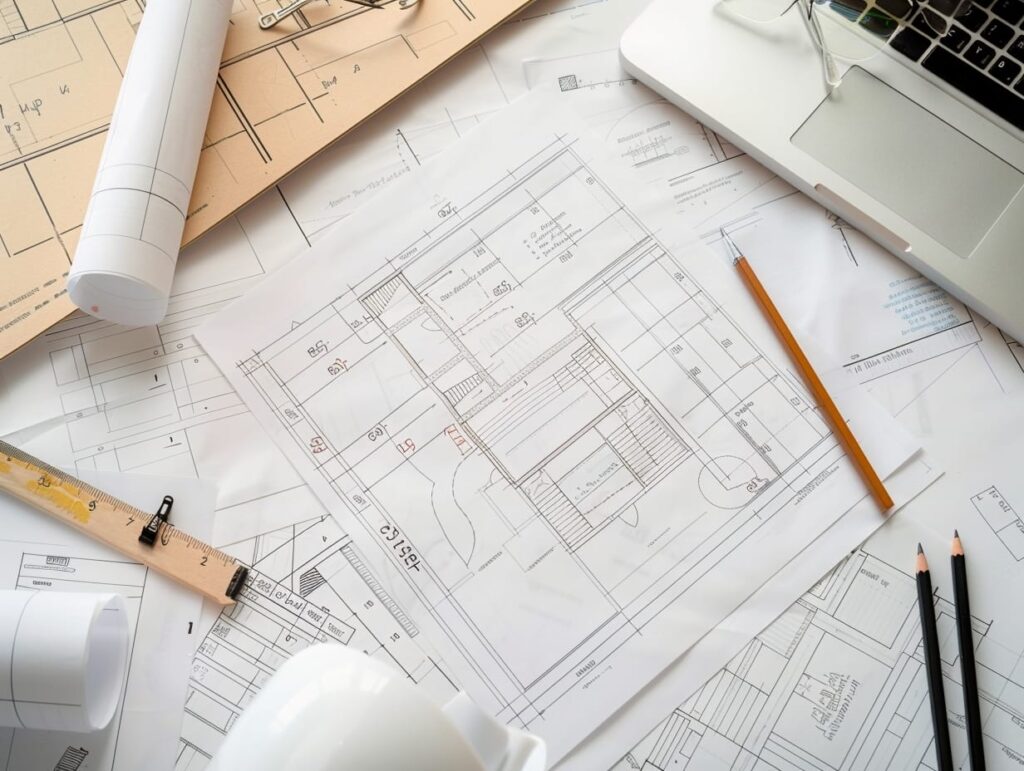
Start with who lives here and how you live. Note daily routines, hosting patterns, work‑from‑home needs, and sensitivities to noise or light. Call out what you will not compromise on, like a step‑free entry, a real mudroom, or no mechanical noise near bedrooms. Clarity here shapes the plan far more than style boards.
Write in plain language. One or two paragraphs beat pages of wishlists. The goal is a brief your future self will still read.
Site Facts And Constraints
Ground your brief with site reality. Summarize lot size, grades, trees, lane access, views, and exposure. Attach the current legal survey or note its ETA. Flag services (storm, sanitary, water, gas), any easements, and obvious noise sources. At permit, the City expects a survey and clear siting; you can confirm submission expectations on City of Vancouver – Get a Building Permit
A site‑aware brief prevents fantasy layouts. It sets height and setback expectations and avoids later redesigns when the survey arrives.
Program, Size Targets, And Budget Range
List spaces and rough sizes, then align scope to a budget range. Show where you’ll invest first: envelope, windows, air‑sealing, and mechanicals typically deliver the best comfort and cost control. A range is fine; we refine as pricing firms up. The point is to prevent a five‑bedroom brief paired with a three‑bedroom budget.
Tying program to budget early protects the schedule. You make deliberate trade‑offs once, not repeatedly under pressure.
Performance And Comfort Priorities
Define what comfort means to you. Note daylight preferences, shading, privacy, acoustic targets, and air quality priorities. Identify window strategy (size, orientation, and quality level) and any energy goals. These choices flow straight into the model and the drawings, so consistency here prevents resubmissions later.
When in doubt, choose fewer, better windows, placed on purpose. The brief is where you decide that.
Quick Reference — Make Your Brief Skimmable
| Brief Section | Why It Matters | What To Include |
| Site & Survey | Controls siting, height, setbacks | Legal survey, grades, trees, services |
| Program & Size | Drives scope and budget | Room list, target areas |
| Comfort & Windows | Guides energy, privacy, light | Orientation, view priorities, IAQ |
For packaging your drawings later, see Vancouver Building Permit Drawing Set: What Your Application Must Include.
How To Draft Your Brief In Seven Steps (60‑Minute Version)
Step 1-3: Goals, People, And Budget
Begin with why. Write three sentences about what this home must achieve. List who lives here and how each person uses the home. Then set a budget range and where you’ll invest first. With those three items, most plan debates get easier because everyone shares the same target.
This is the moment to name deal‑breakers. If you never want to see a vacuum, we plan real storage. If you entertain often, we prioritise flow and durable finishes. Document it now.
Step 4-5: Site Facts And Space List
Pull highlights from the survey: lot width/depth, grades, trees, lane access, views to capture, and views to block. Then write a space list with rough sizes and adjacencies. Think movement: kitchen to pantry, garage to mudroom, laundry to bedrooms. Function beats fashion at this stage.
If you need help visualising plan patterns, our Your Guide To Crafting The Perfect Floor Plan explains common layouts and trade‑offs.
Step 6-7: Style, Performance, And Deal‑Breakers
Collect three reference images and write one line on why each works (proportions, light, material feel). Add comfort and energy preferences: quiet bedrooms, balanced ventilation, warm floors underfoot. Finally, write three firm “not this” constraints so your team avoids solutions that frustrate you later.
Attach the survey, any strata rules, old geotech or arborist reports, and a link to inspiration images. With those attachments, your team can move fast without guesswork.
Turn The Brief Into A Plan (Without Re‑Drawing)

From Brief To Schematic Options
We present two to three viable plan and massing options that honour your brief. Each option makes clear trade‑offs—daylight versus storage, view versus privacy, cost versus complexity—so you can choose with confidence. Fewer, sharper options beat a dozen look‑alikes that blur decisions.
We also test early structural grids, window groupings, and service paths. When the shell and systems agree at concept, Construction runs calmer.
Locking Decisions And Advancing To Design Development
Once you choose a direction, we lock assemblies, window performance, and major spans so the energy model, structure, and drawings match. This is where many projects stumble; we avoid that by updating everything together. From there, Design Development adds interior clarity without changing the bones.
Keep It Realistic: RS/Zoning, Energy, And Timeline

Align With Zoning And Permit Expectations
Your brief should reference height, setbacks, coverage, and where accessory buildings can sit. That alignment keeps massing honest and prevents late‑stage “please revise” comments. If you’re Vancouver‑based, check permit steps and forms on the City’s site to see what reviewers expect at intake.
We translate your brief into a cover‑sheet summary and a site plan that prove compliance. Reviewers move faster when the story is consistent.
Energy Model And Windows Must Match The Brief
If your municipality sets a Step Code or Zero Carbon layer, the window and envelope choices in your brief must match the energy model. We keep the model and drawings synced. When change is unavoidable, we update both together and submit one clean revision package.
For timeline context and how review cycles actually work, see Vancouver Custom Home Permit Timeline (2025).
Common Brief Mistakes (And The Fix)
Wishlists Without Budget
A “everything plus everything” wishlist is not a brief. Convert aspirations into priorities, assign a budget band, and state where to invest first. That turns emotion into direction and protects the schedule when prices arrive.
We’d rather right‑size scope early than cut rooms later. The brief is where you choose.
Vague Adjacencies And Storage
Traffic, noise paths, and storage are the silent plan killers. If you don’t define them, they define you. Note how you enter, drop, cook, clean, and relax. Make storage visible. These basics shape a house that lives well, not just looks good.
We model movement and storage alongside aesthetics so the final plan feels effortless.
Moving Targets During Permit
Spec drift during permit adds weeks. The cure is simple: treat changes as formal, update the model and drawings together, and return one tidy revision set. Your brief sets this discipline. We enforce it so your file doesn’t ping‑pong through review.
If you’re still deciding whether you’re ready to start, 5 Things To Consider Before Starting Your Custom Home Architecture gives you some tips to look out for.
Delivery You Can Plan Around
Versa Homes uses a fixed‑price contract, a detailed schedule with pre‑booked trades, and a client portal with 24/7 access, daily logs, and progress photos. We back your date with a Move‑In Date Commitment, and your home with Versa Shield 3‑6‑11 coverage. Quiet progress, not last‑minute heroics.
Want a brief that speeds permits and protects budget? We translate your priorities into plans, coordinate consultants, and package a complete City submission so intake is routine. Start with architectural design and we’ll build your path.
FAQs
What’s The Difference Between A Design Brief And A Room‑By‑Room Program?
A program lists spaces and rough sizes. A design brief sets goals, guardrails, budget, and the rules for trade‑offs. You need both, but the brief comes first so the program stays realistic.
How Long Should My Design Brief Be?
One to three pages plus attachments is ideal. Long documents hide decisions. Keep the core brief tight and link the survey, images, or reports.
Do I Need A Survey Before Writing My Brief?
Yes. A current legal survey anchors setbacks, height datum, services, and trees. Everything else flows from it, and the City will expect it at permit intake.
What If I Don’t Know My Exact Budget Yet?
Give a range and name invest‑first areas. We shape scope and quality to that range, then refine as pricing firms up. The brief’s job is to prevent expensive surprises.
Should I Lock Finishes In The Brief?
Keep finishes directional at first. Lock assemblies, windows, and major spans in Design Development. Then specify finishes without risking re‑draws.
How Does The Brief Affect Permit Timelines?
A clear brief reduces change requests and keeps the energy model, structure, and drawings aligned. That produces a cleaner, faster review.
Can I Update The Brief During Design?
Yes, at phase gates. Treat changes as formal updates so the set stays consistent and reviewers see one story, not three versions.
Who Owns The Brief?
You do. We facilitate and police consistency; the brief directs design and procurement. That division keeps momentum and protects budget.


Felipe Freig
Founder of Versa Homes
Felipe Freig is the founder of Versa Homes, a Vancouver custom home builder known for architecturally driven, fixed-price projects. With years of hands-on site experience and deep permitting and by-law knowledge, Felipe leads high-performance teams that deliver precision craftsmanship, clear budgets, and on-schedule luxury homes.
You May Also Like...

Architect, Builder, And Engineer: Who Is Responsible For What?
Smart Home Security Wiring in a Custom Home: Plan It During Construction, Not After
Exposing the Truth About Cost-Plus Contracts in Custom Home Building

What Good Builder Communication Looks Like During A Custom Home Build

Planning Mechanical Systems For Luxury Estate Homes




When Do You Need A Geotechnical Report For A Custom Home Lot?

Thermal Bridging Details For Custom Homes: What Your Drawings Must Show