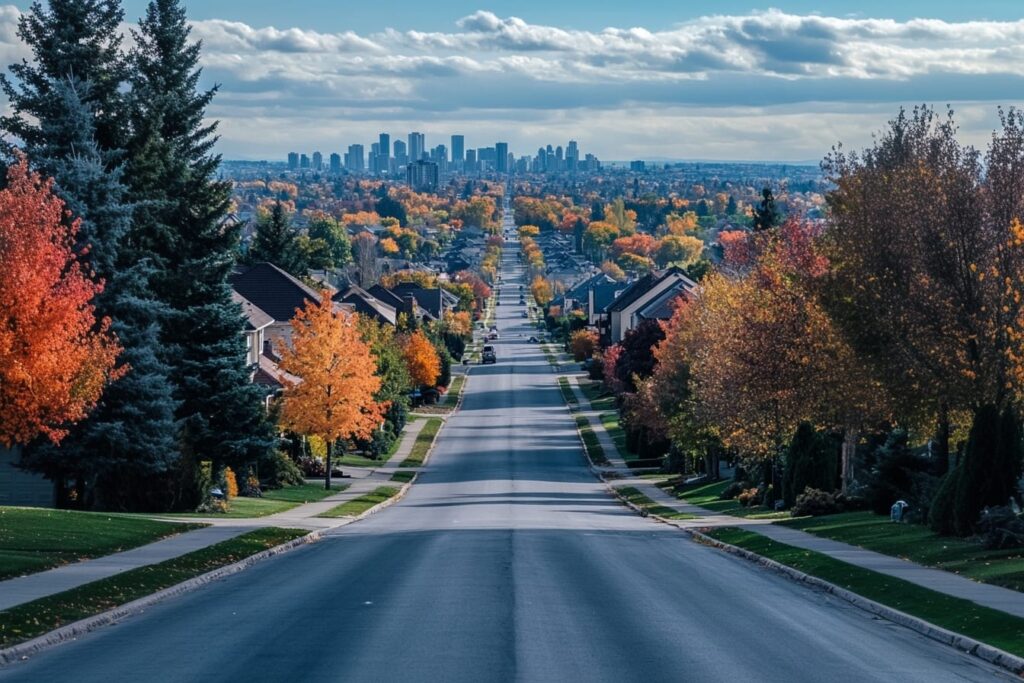

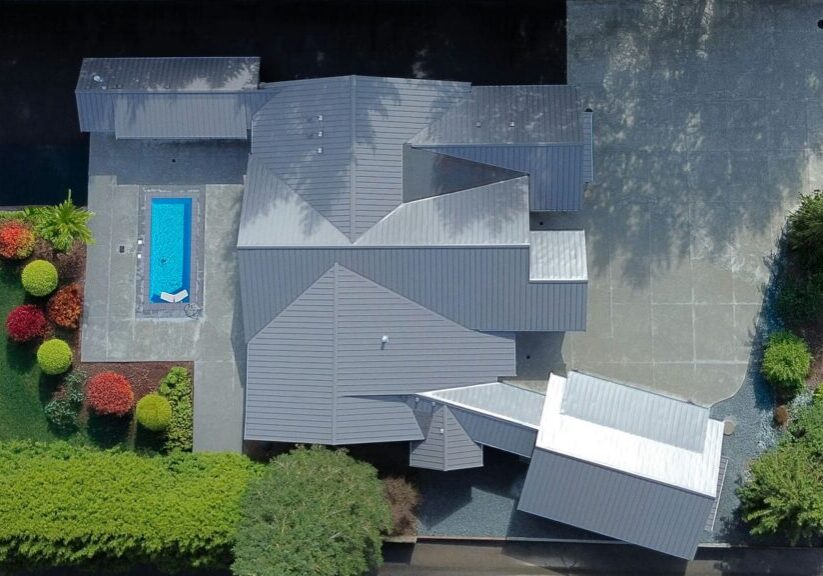
When you’re planning a high-end home in British Columbia, your roof is more than a finish—it’s performance, longevity, and curb appeal in one. As your luxury custom home builder in BC, we help you match materials to B.C.’s micro-climates so your investment looks incredible and lasts decades. In this guide, we break down the best luxury roofing options, where they shine, and how to choose the right system for your site, style, and budget.
So let’s get straight to the point, what are the best roof options for your luxury custom home in BC?
| Roof type | Best fit in B.C. | Key strengths & considerations |
| Standing seam metal (aluminum, steel, zinc, copper) | Coast (aluminum/copper near salt); Interior/Mountains (coated steel). Works with modern or classic forms. | 50–70+ yrs; sheds rain/snow; low maintenance; solar clamps (no penetrations). Plan snow guards; use stainless near coast; avoid galvanic mix. |
| Natural slate | Coast & Interior on steeper roofs; heritage or estate architecture. | 75–100+ yrs; fire-resistant; rich texture. Heavy—engineer structure; stainless/copper fasteners; add snow retention. |
| Composite “slate/shake” | Interior/Mountain towns; coastal suburbs; WUI areas needing Class A. | ~40–50 yrs; lighter weight; lower upkeep than cedar; often Class A. Verify cold-climate testing, brand warranty, and ventilation. |
| Clay / concrete tile | Interior & Okanagan; selective coastal use with premium spec. | 50+ yrs; iconic look; good thermal mass. Heavy—engineer framing; choose freeze–thaw-rated tile; plan snow guards and robust underlayment. |
| High-end flat systems (2-ply SBS, PMR, PVC/TPO) | Modern low-slope designs; roof decks/green roofs across BC. | 25–40+ yrs; great for amenity roofs. Require slope to drains, overflow scuppers, walkway pads; prioritize manufacturer-backed assembly warranty. |
| Cedar shakes | Aesthetic-driven coastal estates (where allowed). | 25–35 yrs; warm natural look; higher maintenance; fire limits unless part of Class A assembly. Consider composite shake for similar look with less upkeep. |
Why Roofing in B.C. Is Different
B.C. asks more of a roof than most places. Here’s why that matters for your selection.
Coast: rain, moss, and salt air
If you’re building a custom home in Vancouver, the North Shore, and Vancouver Island – then you can expect to see long wet seasons. Roofs must shed water fast, resist moss and algae, and stand up to salty air near shorelines. Metals and fasteners need corrosion resistance; detailing at valleys and penetrations has to be tight.
Interior & mountains: snow, ice, and big temperature swings
Whistler, the Okanagan, and the Kootenays bring freeze–thaw cycles, deep snow loads, and hot summers. Roofs here need robust underlayments, ice-dam protection, and planned snow management (rails/guards) over doors, walkways, and garage aprons.
Wildfire interface: embers and wind-driven heat
In forest-edge zones, choose Class A fire-rated assemblies and avoid combustible surfaces. Some municipalities require them. Even where they don’t, it’s a smart move for resilience and insurance.
Luxury means more than looks
For upscale builds, “luxury” equals lifespan, low maintenance, timeless design, and strong, transferable warranties—not just a premium price tag. Think total cost of ownership over 25–50+ years, not just day-one cost.
Quick Fit: Match Your Roof to Your Micro-Climate
Use this as a fast filter before you fall in love with a look.
Coast (Vancouver, North Shore, Victoria)
On the coast, long wet seasons and salt air set the rules. Choose fast-shedding profiles and corrosion-resistant metals that don’t invite moss. Standing seam aluminum (or copper for a true statement) is a great fit, while natural slate excels on steeper roofs. For modern homes with roof decks, premium flat roof systems work beautifully—just detail them well. Be mindful of galvanic corrosion from mixing metals, shaded exposures that grow moss, and the extra bite of salt spray within about one to two kilometres of open water.
Interior & Mountains (Whistler, Okanagan, Kootenays)
Snow, ice, and big temperature swings demand tougher assemblies. Prioritize snow-load capacity, ice-dam protection, and freeze–thaw durability. Standing seam steel with planned snow retention is a workhorse here, and both natural slate and composite “slate/shake” products perform well when they’ve been tested for cold climates. Watch for congested valleys under heavy snow, design safe snow-shed patterns above doors and walks, and specify high-temperature underlayments on sun-baked slopes.
Wildland–Urban Interface (WUI)
In wildfire-interface areas, fire rating comes first. Aim for Class A assemblies and avoid combustible surfaces. Standing seam metal and composite slate/shake with Class A ratings are strong choices, while untreated cedar usually isn’t. Also protect against embers by using ember-resistant vents and well-detailed metal flashings at eaves and ridges.
Rule of Thumb
Near salt water (within 1–2 km), lean toward aluminum or copper—or carefully specified stainless. In snow country, plan snow guards from day one, not as a retrofit. These two decisions alone prevent many headaches later.
Top Options for Roofs for Your Luxury Custom Home in BC
Choosing a roof at this level is part design, part climate strategy. Below, we’ll walk through the premium systems that perform in BC—standing seam metal, natural slate, composite slate/shake, clay and concrete tile, high-end flat roof assemblies, and cedar shakes—and explain where each one shines.

Standing Seam Metal (Aluminum, Steel, Zinc, Copper)
If you want a roof that looks sharp and lasts, start here. Standing seam is the modern luxury benchmark in B.C.—coastal or mountain.
Why homeowners love it
- Durability: 50–70+ years with the right alloy/finish and detailing.
- Weather performance: Sheds heavy rain and snow cleanly; resists wind uplift when properly fastened.
- Low maintenance: Smooth panels discourage moss compared with textured surfaces.
- Solar-ready: Panels clamp to seams—often no roof penetrations for racking.
Best material for your location
- Coastal (salt air): Aluminum with a PVDF finish is the workhorse; copper is the ultra-premium choice that patinas beautifully; zinc can work with expert detailing and separation from dissimilar metals.
- Interior/Mountains: High-grade coated steel excels—spec snow-country panels and a reputable coil/finish system.
Design choices that change the look
- Panel width & seam height: Wider panels read contemporary; taller seams emphasize rhythm.
- Finish & color: Matte and low-gloss coatings feel refined and reduce glare near water.
- Trim language: Minimal hems and concealed fasteners keep lines crisp on luxury façades.
Details that pay off in B.C.
- Underlayment: Use high-temperature, self-adhered membranes in valleys, eaves, and around penetrations.
- Snow management: Add snow rails/guards above doors, decks, and the garage. Control where snow releases, don’t let it choose.
- Metal compatibility: Separate dissimilar metals (e.g., copper/aluminum) and specify stainless fasteners in coastal zones to avoid corrosion.
- Ventilation/condensation: In coastal humidity, consider a “hot-roof” approach with continuous exterior insulation to keep the deck warm and dry.
Homeowner takeaway
Standing seam delivers a long-life, low-maintenance envelope with premium curb appeal. On the coast, choose aluminum or copper; in the mountains, choose heavy-duty steel with planned snow control. Either way, insist on a manufacturer-backed system and an installer with proven luxury references.

Natural Slate (Old-World Luxury That Loves B.C.’s Climate)
If you want timeless curb appeal and near century-long performance, slate is the benchmark.
Why homeowners choose it
- Longevity: 75–100+ years when you select quality slate and detail it right.
- Weather tough: Excellent in rain and freeze–thaw; fire-resistant by nature.
- Aesthetic depth: Real stone texture, subtle colour variation, and crisp shadow lines.
Where it shines in B.C.
- Coast & Islands: Handles constant wet and storm cycles; stone won’t rot or swell.
- Interior/Mountains: Freeze–thaw isn’t a problem with high-grade slate and proper fastening; add snow retention on steeper roofs.
What to plan for
- Structure: Slate is heavy. Your designer/engineer will size the roof structure accordingly.
- Hardware: Use stainless or copper nails/clips; specify compatible flashings.
- Layout: Steeper pitches show slate best and shed water faster.
- Snow control: Rails/guards keep big slides off entrances and patios.
Owner tips
- Ask for a sample board in daylight—choose the colour mix you’ll love long-term.
- Confirm the sourcing and testing (freeze–thaw durability, water absorption).
- Request a slate-qualified installer and a workmanship warranty, not just material coverage.
Takeaway: Natural slate pairs luxury looks with real B.C. durability. It costs more up front, but style and lifespan pay you back for decades.
Premium Composite “Slate” or “Shake” (The Smart-Luxury Alternative)
Composite tiles mimic slate or cedar without the weight or upkeep—ideal when you want the look and modern performance.
Why homeowners love it
- Lower maintenance: Smoother surfaces resist moss better than real cedar in coastal shade.
- Lighter weight: Often no structural beef-up compared to slate or concrete tile.
- Fire & weather: Many products carry Class A fire ratings and strong freeze–thaw credentials.
- Consistent colour: UV-stable palettes keep the roof looking new longer.
Best fits in B.C.
- Interior & Mountain towns: Cold-weather testing, impact resistance, and snow hardware make it a solid all-rounder.
- Coastal suburbs: Get the cedar aesthetic without constant cleaning or treatment.
What to plan for
- Brand + warranty: Choose manufacturers with proven performance in cold/wet regions and long, transferable warranties.
- Ventilation & underlayment: Treat it like a premium system—ice/water shield at eaves/valleys and balanced ventilation.
- Snow controls: As with slate/metal, plan rails above doors/garage.
Homeowner Takeaway
Composite delivers a high-end look, strong warranties, and simpler upkeep—great when you want luxury without the structural weight or cedar maintenance.

Clay & Concrete Tile (Iconic Profiles, Built for Decades)
Tile brings unmistakable presence—think Mediterranean curves or crisp flat “modern” tiles.
Why homeowners pick it
- Longevity: 50+ years with the right tile and detailing.
- Thermal comfort: Tile’s mass smooths out Interior heat swings; quieter in rain.
- Aesthetic range: From classic barrel profiles to sleek flat tiles for modern façades.
Where it works best in B.C.
- Interior & Okanagan: Dry summers and hot days play to tile’s strengths.
- Coastal use: Possible with premium, low-absorption tiles and robust underlayment; mind moss in shaded exposures.
What to plan for
- Weight: Engineer the roof for tile loads; check truss/rafter sizing early.
- Freeze–thaw rating: Choose tiles specifically rated for cold climates.
- Attachment: High-wind and snow areas need enhanced fastening patterns; add snow guards on steep slopes.
- Underlayment & flashing: Use high-quality membranes, metal flashings, and weep details to manage heavy rain.
Homeowner Takeaway
Tile is a statement roof with long life. It’s excellent in the Interior and can succeed on the coast with the correct spec, fastening, and maintenance plan.

High-End Flat Roof Systems (Modern Lines, Usable Rooftops)
Flat—or low-slope—roofs suit modern B.C. architecture and open the door to roof decks, planters, and green roofs. The key is choosing a premium assembly and detailing it carefully.
Systems to know
- 2-ply SBS (torch-applied or self-adhered): Two layers of modified bitumen form a tough, flexible waterproofing. Great in rain and freeze–thaw.
- PMR / Inverted roofs: Insulation sits above the membrane with pavers or ballast on top. The membrane lives in a stable “indoor” environment—fantastic for longevity and roof-deck use.
- PVC / TPO single-ply: Lightweight, heat-welded seams, clean look. Best with walk pads in traffic areas and robust edge details.
Why they work in B.C.
- Rain management: Low-slope designs handle downpours when you provide positive slope to drains, overflow scuppers, and kept-clear strainers.
- Temperature swings: Quality membranes stay flexible through freeze–thaw and heat.
- Amenity potential: PMR and SBS assemblies excel under pavers, tiles, or artificial turf.
Plan these details up front
- Slope: Even “flat” roofs need 2% (¼″ per foot) to drains. Water that lingers shortens life.
- Parapets & edges: Metal coping, fully-adhered corners, and continuous cleats keep wind and water out.
- Deck traffic: Add walk pads to protect membranes where people will walk, service HVAC, or access solar.
- Green roofs: Specify root barriers, drainage mats, and a planting plan suited to coastal rain or Interior heat.
- Warranty: Ask for a manufacturer-backed assembly warranty (material + workmanship), not just a material brochure.
Homeowner takeaway
Flat roofs are fantastic for modern luxury—just budget for the right assembly, slope, and edge details, and you’ll enjoy a dry interior and a usable outdoor room for years.

Cedar Shakes (Iconic West Coast Look—With Caveats)
Cedar is part of B.C.’s design DNA. They offer a warm, natural texture that pairs beautifully with timber and stone. But know what you’re signing up for.
The realities in B.C.
- Coastal maintenance: Shade + moisture = moss and mildew; you’ll need gentle cleaning and airflow.
- Fire risk: Unless part of a tested Class A assembly, cedar is combustible; some WUI areas restrict it.
- Longevity: Expect ~25–35 years when well maintained—less than metal, slate, or tile.
How to do cedar smarter
- Assembly first: If allowed, use a Class A fire-rated underlayment system beneath treated shakes; confirm local code.
- Ventilation matters: Slatted or vented battens help cedar dry out between storms.
- Consider composites: Composite “shake” mimics the look, often carries a Class A rating, and shrugs off moss better in coastal shade.
Homeowner Takeaway
Choose real cedar for the look only if you accept higher upkeep (and local fire rules allow it). Otherwise, consider composite shake for the same vibe with less maintenance and better fire performance.
Architecture & Aesthetics: Make the Roof Part of the Design
Shape First: Pitch & Silhouette
A luxury roof should complete your architecture, not just cover it. Start with the form. Steeper roofs showcase texture—slate, cedar, profiled tile—because shadow lines read beautifully from the street. Low-slope or modern shapes favour standing seam metal or premium flat systems with crisp parapets and quiet edges. On sloped lots, consider split masses and varied pitches; stepping the roofline lowers wall heights and helps the house sit naturally into the terrain.
Color, Finish & Context
Next, tune the palette to place. Near the coast, glare matters—choose matte or low-gloss metals to soften reflections. Prefer a patina story? Copper ages to green; zinc weathers to a soft grey—both signal craft and permanence. In hotter Interior climates, lighter colours reflect sun; pair that with attic or exterior insulation for stable interiors. Finally, make it fit the street: modern black/graphite metals flatter clean façades; slate greys love stone and stucco; flat concrete tiles can modernize a traditional elevation instantly.
Details That Read “Luxury” from the Curb
- Concealed fasteners and tight, hemmed trims on metal roofs
- Scaled exposure on slate or composite slate for balanced proportions
- Gutters as jewelry—half-round copper or colour-matched box gutters as a feature or to disappear
- Clean penetrations—pre-planned vent stacks, chimneys, and solar attachments for a tidy roofscape
Daylight & Rooftop Life
Skylights and roof windows need proper curb heights, flashing kits, and ice-and-water shield—especially in snow country. And if you want a roof deck, hot tub, or planters, design the structure and waterproofing for that from day one so the space feels integrated, not added.
Key Takeaways
Begin with the architecture, then select the roof that completes it. When material, colour, and profile feel intentional—not last-minute—the whole home looks and lives better every time you pull into the driveway.
Budgeting for a Luxury Roof
Think lifecycle, not line item. Judge options over 25–50 years—material, installation, maintenance, and likely repairs—not just day-one cost. A roof that’s pricier up front can win on longevity and low upkeep.
Complexity moves the number. Dormers, valleys, skylights, penetrations, and steep or hard-to-access slopes add labour and flashing. If you love complex forms, invest in the assembly details (membranes, metals, snow/ember hardware) that keep everything tight and dry.
Sequence decisions early. Premium metals, slate, and specialty tiles can carry longer lead times. Lock colour, profile, and brand early so framing and roofing stay in sync; last-minute swaps ripple through the schedule.
Integrate snow & fire measures from the start. Snow rails, ember-resistant vents, and Class A assemblies are cheaper and cleaner to include in the original design than to retrofit later.
Homeowner FAQs
Which roof truly lasts the longest in B.C.?
Natural slate and copper lead on longevity (many decades). Standing seam metal follows close behind with excellent lifespan and lower maintenance.
What’s best within 1–2 km of salt water?
Choose aluminum or copper with stainless fasteners and careful metal separation. They shrug off salt air far better than standard steel.
Which options handle deep snow and ice?
Standing seam steel with planned snow guards is a standout. Slate also excels when paired with proper snow retention and robust underlayments.
Can I add solar later without roof penetrations?
Yes. Standing seam metal allows clamp-on solar racking—no new holes. On other roofs, plan dedicated mounting points and flashing kits during construction.
Is cedar still a good idea?
For pure look, yes—but expect more maintenance and check fire rules. Many homeowners now choose composite shake for the same aesthetic with better fire ratings and less upkeep.
How do I compare bids fairly?
Ask for a system-level scope: membranes, flashings, fasteners, snow/vent hardware, and warranty. Then compare like-for-like—not just shingle counts.
Fixed-Price Peace of Mind
Luxury roofing should feel exciting, not risky. With a fixed-price custom build from Versa Homes, we price your full roofing system up front—material, assembly, snow and fire hardware, metals and fasteners, detailing, and warranty. No vague allowances. No mid-build surprises. Just a roof that matches your micro-climate, elevates your architecture, and performs for decades—all included in one number you can trust. Ready to build your dream home? Contact us to schedule a discovery call.


Felipe Freig
Founder of Versa Homes
Felipe Freig is the founder of Versa Homes, a Vancouver custom home builder known for architecturally driven, fixed-price projects. With years of hands-on site experience and deep permitting and by-law knowledge, Felipe leads high-performance teams that deliver precision craftsmanship, clear budgets, and on-schedule luxury homes.
You May Also Like...

Planning Mechanical Systems For Luxury Estate Homes
Why Versa Homes Offers a Guaranteed Move-In Date — Or Pays You $5,000

Managing Client Changes During a Custom Home Build

How To Check Utility Capacity Before You Build A Custom Home
Versa Homes: A Legacy of Excellence with 5 Consecutive Consumer Choice Awards
Beyond Cooling and Heating: Unveiling the Secrets of Your Home’s HVAC System
5 Reasons to Build a Custom Home & Live in Langley, BC
The Ultimate Guide to Choosing the Right Windows for Your Custom Home
The Art of Precision: A Deep Dive into the Home Painting Process