

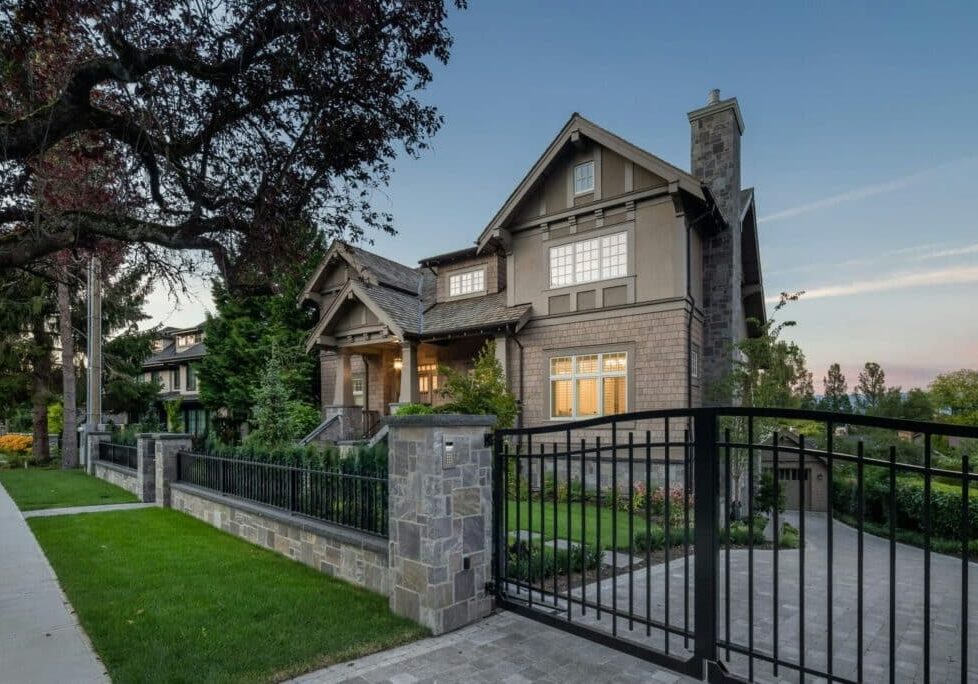
A custom home build timeline in Greater Vancouver is usually a staged sequence of excavation, foundation, framing, envelope, rough-ins, insulation, drywall, finishes, inspections, and handover. It is not 12 equal months of visible progress, and it works best when custom home construction is planned around weather, trades, inspections, and owner decisions before the first machine arrives on site.
This guide follows a representative year, not a guaranteed schedule. A real build may shift by site conditions, municipality, permit requirements, weather, trade availability, material lead times, owner changes, and how complete the pre-construction work is before construction starts.
Custom Home Build Timeline: the construction sequence that turns permit-ready drawings into a completed home, moving through excavation, foundation, framing, envelope, mechanical/electrical/plumbing rough-ins, insulation, drywall, finishes, inspections, and handover.
Custom Home Build Timeline At A Glance
A custom home build can feel uneven because each phase creates a different kind of progress. Framing looks dramatic. Rough-ins can look slow, even though critical systems are being installed behind the walls. Finishes feel close to the end, but they depend on decisions and materials that should have been locked months earlier.
Use this table as a sample year, not a promise. The dates can shift depending on when the permit is issued, when construction starts, and how the site responds to weather, inspections, and trade sequencing.
| Month / Season | What Happens | Why It Matters | Common Delay |
| Month 1 | Site setup, excavation, water management, temporary access | Turns the site into a safe, workable construction zone | Heavy rain, soft ground, access issues, changed site conditions |
| Month 2 | Foundation forms, rebar, concrete, waterproofing, drain tile, backfill prep | Locks in elevations, wall lines, and structural base | Inspection gate, weather window, concrete logistics, geotech surprise |
| Month 3 | Framing begins: floors, walls, beams, roof structure | The home’s shape becomes visible | Material delivery, layout change, structural clarification |
| Month 4 | Roof, windows, and dry-in push | Protects the structure and enables more predictable rough-ins | Window lead times, wet weather, roof complexity |
| Month 5 | Plumbing, electrical, HVAC, HRV/ERV, service runs | Fills walls and ceilings with the systems that make the home work | Late selections, service conflicts, coordination gaps |
| Month 6 | Rainscreen, envelope layers, exterior prep, air barrier continuity | Manages coastal moisture and sets up cladding | Missing details, weather exposure, inspection sequencing |
| Month 7 | Insulation, air sealing, Step Code checks, drywall readiness | Confirms comfort and performance before walls close | Failed air sealing check, incomplete rough-ins, concealed-work issue |
| Month 8 | Drywall, taping, interior surface prep, exterior progress | Rooms start to feel finished | Humidity, trade sequencing, unresolved deficiencies |
| Month 9 | Tile, millwork, paint, flooring, fixtures, finish details | Converts construction into a home | Selection changes, material lead times, trade stacking |
| Month 10 | Final systems, inspections, landscaping, handover | Prepares the home for occupancy and owner orientation | Inspection comments, missing parts, weather-sensitive exterior work |
| Month 11 | Move-in support and seasonal checks | Helps owners learn the home under real conditions | Outstanding deficiencies or manufacturer backorders |
| Month 12 | Warranty rhythm and winter performance review | Establishes follow-up process and winter operating habits | Unresolved seasonal items or incomplete owner documentation |
Month 1: Site Setup, Excavation, And Water Management

The first month is not glamorous, but it sets the tone for the whole build. The project moves from paper to site conditions, which means the builder is now dealing with access, safety, drainage, soil, equipment, neighbours, and weather.
In Greater Vancouver, work often means wet ground, rain events, and a need for careful site water management. The goal is to make the site workable before the foundation begins.
The Build Starts With Logistics, Not The First Wall
A custom home build starts with a site that needs to be controlled. This can include fencing, tree protection, temporary access, erosion control, temporary services, demolition if required, and the first excavation steps.
A good site setup reduces friction. Trucks need room, trades need safe access, water needs somewhere to go, and neighbours need reasonable communication. If those basics are messy, every later phase becomes harder.
This is where a detailed schedule starts proving its value. Before visible construction takes shape, the site has to support the work.
Excavation Reveals Whether Pre-Construction Was Right
Excavation tests the assumptions made during pre-construction. Survey information, geotechnical input, grading direction, utility planning, and foundation drawings all meet in the ground.
If pre-construction was thorough, the team knows what it expects to find and how to respond if something changes. If pre-construction was rushed, excavation is where surprises often appear first.
This is why early site work should not be treated as “just digging.” It is the first field test of the plan.
What Homeowners Usually Notice
Homeowners may look at Month 1 and feel like the home is not “starting” yet. The site may look rough, muddy, and unfinished, especially in wet winter conditions.
That does not mean progress is slow. It means the build is establishing access, safety, drainage, and excavation accuracy before the permanent structure begins.
Messy progress is still progress when it is controlled, documented, and moving toward the next scheduled milestone.
Month 2: Foundation, Concrete, Waterproofing, And Backfill Prep

The foundation month is one of the most important parts of the build because it locks in elevations, wall lines, garage levels, basement dimensions, and the structural base for the home.
A clean foundation sequence makes the rest of the project easier. A foundation problem can ripple into framing, waterproofing, stairs, exterior finishes, and schedule pressure.
The Foundation Sets The Whole House
Foundation work gives the home its base. It determines how the structure meets the land, how loads transfer to the ground, and how the lower level connects to the rest of the build.
The structural role of foundation walls in your home is why this phase deserves the same care as framing, even though much of it disappears once backfill begins.
For the timeline, the key point is simple: foundation accuracy protects every trade that follows.
Inspections Are Schedule Gates, Not Paperwork
Foundation work involves inspection checkpoints before certain work can be covered or continued. Coquitlam’s concealed-work inspection guidance notes that work covered too early may need to be exposed for inspection, causing delay and expense, and it lists several inspections that must happen before any work is concealed.
This is why inspection timing matters. If forms, drainage, slab prep, or other concealed items are not ready for review, the schedule can pause.
Good builders do not treat inspections as interruptions. They build them into the schedule.
Waterproofing And Drainage Are Invisible Later, Critical Now
Waterproofing, drain tile, damp-proofing, and drainage preparation often disappear from view once backfill happens. That is why photos, inspection notes, and trade accountability matter during this phase.
In a wet coastal climate, drainage and waterproofing are not “nice to have” details. They help protect the home long after the foundation is covered.
This phase rewards careful sequencing. Once backfill starts, fixes become harder and more expensive.
Month 3: Framing Makes The Home Feel Real

Framing is often the first phase where homeowners feel the build has taken off. Walls rise, floor levels become clear, stair openings appear, and the house begins to feel like a real structure.
That visible progress is exciting, but framing is also a coordination-heavy stage. It translates drawings into physical geometry.
Framing Turns Drawings Into Volume
Framing is where flat plans become rooms, circulation, ceiling heights, and rooflines. It is also where homeowners begin to understand sightlines, room sizes, and how spaces connect.
A well-sequenced framing process in custom home construction locks in the geometry that every downstream phase depends on, from rough-ins and inspections to interior finishes.
Framing moves quickly when the foundation is accurate, materials are ready, and structural details are clear.
Framing Also Exposes Coordination Issues
Framing can reveal where drawings, structure, window openings, stair geometry, and mechanical routes need tight coordination. A good permit set reduces surprises, but active site supervision still matters.
This is not the stage for casual layout changes. Moving a wall or window during framing can affect structure, exterior details, rough-ins, and cost.
The best framing phase combines speed with discipline. Progress should not come at the cost of unresolved details.
Weather Still Matters During Framing
Framing in Greater Vancouver can mean rain, wind, and fast-changing conditions. Material storage, temporary protection, and sequencing all matter.
Weather does not necessarily stop framing, but it changes how the builder manages exposure and safety. The crew needs to protect materials and keep the site moving without creating long-term moisture problems.
Local experience matters here. Building in coastal BC means planning for weather, not reacting to it.
Month 4: Roof, Windows, And The Dry-In Push


Month 4 often becomes a race to reduce exposure. Roofing, windows, doors, and exterior openings help shift the project from exposed structure to a more protected shell.
Dry-in is not one universal inspection moment. It is a practical construction milestone that opens the door to more predictable interior work.
Dry-In Changes The Rhythm Of The Site
Once the roof and key openings are protected, the site starts to feel more controlled. Interior rough-ins become easier to sequence, and weather becomes less disruptive inside the structure.
Dry-in also protects the work already completed. The sooner the structure is reasonably protected, the easier it is to maintain quality through the next stages.
This phase is where the earlier ordering of windows, doors, and roofing decisions starts to matter.
Long-Lead Items Start To Show Their Impact
Windows, exterior doors, roof components, and specialty exterior materials need early decisions. If they were not finalized and ordered in time, Month 4 can become a waiting month.
Homeowners often feel the impact of selections here, even if the decision deadline happened months earlier. A late window change can now affect the schedule.
The lesson is simple: today’s site progress depends on yesterday’s decisions.
The Envelope Strategy Begins Before Cladding
The envelope strategy starts before exterior finishes go on. Roof details, window flashings, membranes, openings, and transitions all need to work together before cladding covers them.
This matters in coastal BC because water management is a system, not a product. Good envelope sequencing reduces risk before the home looks finished.
Month 4 sets up the more visible rainscreen and cladding work that follows later.
Month 5: Rough-Ins And Mechanical Coordination


Rough-ins can look slow from the outside because much of the work is hidden inside walls, floors, and ceilings. In reality, this is one of the most important coordination phases of the build.
Plumbing, electrical, HVAC, ventilation, low voltage, and sometimes gas all compete for space. The cleaner the coordination, the easier the next phase becomes.
Plumbing, Electrical, And HVAC Fill The Walls
Rough-ins bring the home’s systems into the structure. Plumbing lines, electrical wiring, mechanical ducts, HRV/ERV routes, low-voltage wiring, and service pathways all start taking shape.
This is where the house becomes functional, even if it does not yet look finished. Every future switch, fixture, vent, drain, and outlet depends on this work being placed correctly.
Good rough-in work is careful, not flashy. It is one of the phases where quiet progress matters most.
Owner Decisions Need To Be Ahead Of The Trades
Many homeowner decisions need to be complete before rough-ins finish. Fixtures, appliance locations, lighting plans, smart-home needs, EV charging, built-ins, shower layouts, and mechanical preferences all affect where systems go.
Late decisions at this point can mean opening work, moving boxes, re-routing plumbing, or revising HVAC paths. Those changes can create delay and cost.
The best way to keep Month 5 moving is to make decisions before trades need them, not after.
Rough-In Inspections Protect The Next Stage
Rough-in work generally needs inspection before insulation and drywall hide it. That inspection step protects safety and code compliance, but it also acts as a schedule gate.
If a rough-in item is incomplete, inaccessible, or changed too late, the project may not be ready to close walls. That delay can affect insulation, drywall, and interior finish trades.
This is why the build schedule should show not just trade starts, but inspection readiness.
Month 6: Rainscreen, Envelope, And Exterior Layers

Summer is often a good seasonal window for exterior envelope work in Greater Vancouver. The project may be moving through rainscreen, cladding preparation, exterior insulation where applicable, penetrations, flashings, and exterior air/water control details.
This is where the home’s coastal durability strategy becomes visible.
Summer Is Often Envelope Time In A West Coast Build
A West Coast build needs a clear plan for water, air, and drying. Rainscreen work supports that plan by creating a drainage and drying space behind cladding.
The rainscreen requirements for coastal BC homes reflect how much rain the cladding has to shed before any moisture reaches the structure behind it.
The key timeline point is that envelope work must happen in the right sequence. If the wrong items are covered too soon, fixes become harder.
Rainscreen Work Is About Sequencing
Rainscreen is not just strapping. It includes WRB continuity, drainage space, terminations, flashings, window details, service penetrations, and coordination with cladding.
A strong envelope sequence protects the hidden layers before exterior finishes make everything look complete. It also helps avoid rework at windows, doors, deck interfaces, and penetrations.
Exterior Decisions Need To Be Locked
Exterior cladding, trims, colours, soffits, lights, hose bibs, vents, and attachment points need to be resolved before exterior crews move too far ahead.
A late exterior change can affect flashings, penetrations, ordering, and trade sequencing. It can also force the team to revisit details already installed.
Homeowners can help the schedule by making exterior decisions before the envelope trades are waiting for them.
Month 7: Insulation, Air Sealing, Step Code, And Drywall Readiness
By Month 7, the home starts to move from framed shell to performance assembly. Insulation, air sealing, testing, and drywall readiness all affect comfort, energy use, and long-term durability.
This phase can look quiet, but it is a major checkpoint before walls close.
The House Starts To Perform Before It Starts To Look Finished
Insulation and air sealing are where the home starts to perform. They influence comfort, drafts, moisture control, and heating/cooling efficiency.
The BC Energy Step Code for custom homes sets the performance targets that shape how insulation, air sealing, and ventilation choices come together before the walls close.
This is also why photos and inspection notes matter before drywall begins. Once walls close, many details disappear.
Code And Energy Requirements Are Not The Same Everywhere
BC Energy and Zero Carbon Step Code requirements depend on the project’s permit date and location, and local governments may require higher steps through bylaws.
That means energy and air sealing expectations should be confirmed early, not assumed at drywall stage. The project team needs to know which pathway applies before the work is covered.
When energy requirements and site execution align, drywall readiness becomes smoother.
Drywall Should Not Start Until The Hidden Work Is Ready
Drywall closes the walls. Before that happens, rough-ins, insulation, air sealing, inspection status, blocking, backing, and owner signoffs need to be complete.
Starting drywall too soon creates avoidable rework. Missing a backing location, outlet change, or duct issue can mean cutting into new board later.
A disciplined builder treats drywall as a milestone that begins only when the hidden work is ready.
Month 8: Drywall, Interior Surfaces, And Exterior Progress


Month 8 is where the home starts to feel enclosed and more personal. Drywall defines rooms, ceiling lines, and sightlines in a way framing cannot.
At the same time, exterior work may continue in parallel, which makes schedule coordination important.
Drywall Makes The Home Feel Smaller, Then Real
Before drywall, framed rooms can feel larger and more open. Once drywall goes on, spaces become defined. This can make the home feel smaller for a moment, then more real as surfaces finish.
This stage is psychologically important for homeowners. The home stops feeling like a structure and starts feeling like rooms.
It is also the point where small layout changes become much harder, so decision discipline matters.
Taping, Drying, And Humidity Affect Rhythm
Drywall taping and finishing need their own rhythm. Humidity, ventilation, temperature, and trade overlap can affect drying and surface readiness.
In Greater Vancouver, summer can help, but the builder still needs to manage airflow and sequencing. Rushing drywall finish work can create quality problems later.
This stage rewards patience and planning. It is not a phase to compress carelessly.
Exterior Work Often Continues In Parallel
While drywall progresses inside, exterior cladding, soffits, trims, gutters, and other exterior details may continue outside. This parallel work helps the schedule, but it also requires trade coordination.
The team needs to manage site access, material staging, weather, and sequencing so exterior and interior work do not interfere with each other.
Good builders keep both tracks moving without letting one compromise the other.
Month 9: Finishes, Millwork, Tile, Paint, And Fixtures


Month 9 is where visible progress returns, but it moves differently than framing. Finish work is slower because it depends on precision, sequencing, and clean trade handoffs.
This is also where early selections either support the schedule or create pressure.
Finish Work Rewards Early Decisions
Cabinets, tile, flooring, paint colours, plumbing fixtures, lighting, stairs, interior doors, and hardware all depend on decisions made earlier. If those decisions are complete and materials have arrived, the next month can be productive.
If selections are late, trades may wait or work out of sequence. That creates stacking, defects, and schedule pressure.
Finish work rewards owners who made decisions before the site needed them.
The Homeowner Sees Progress, But Precision Slows The Pace
Finish work can feel slow because the tasks are detailed. Tile layout, cabinet installation, paint preparation, flooring, and fixture placement need care.
Unlike framing, finish work does not always create dramatic daily changes. Instead, the home improves in layers.
This is where homeowners need to understand that precision is progress, even when the pace feels measured.
Deficiency Prevention Starts Before The Final Walkthrough
A strong build does not wait until the final walkthrough to find issues. Site leads should review paint, tile, flooring, millwork, fixtures, doors, and finishes as the work is installed.
This prevents the final deficiency list from becoming a long surprise. It also helps trades correct small issues while they are still on site.
Quality control is easier when it happens throughout Month 9, not only at the end.
Month 10: Final Systems, Inspections, Handover, And Move-In

The final construction month is busy. It can include mechanical startup, electrical finishing, plumbing fixtures, appliances, final paint touch-ups, hardware, cleaning, landscaping or hardscape, inspections, and owner orientation.
Homeowners often underestimate this stage because the home looks nearly finished. The last 10% still needs careful coordination.
The Last Month Is Not Just Cleaning
Final work includes more than cleaning and keys. Systems need startup, fixtures need completion, deficiencies need review, appliances need coordination, and small details need close attention.
A missing part, unfinished guard, exterior item, or system issue can still affect handover. That is why Month 10 needs structure, not hope.
The final month works best when the builder tracks every open item and assigns clear responsibility.
Final Inspections And Occupancy Steps Need Clean Coordination
Final inspection and occupancy-related steps depend on the home being complete enough for review. Requirements vary across Greater Vancouver municipalities, so the builder should confirm what applies to the specific permit.
Small incomplete items can create delay if they block signoff. That is why final inspections should not be treated as a surprise at the end.
A clean finish requires coordination between trades, documentation, and municipal requirements.
Handover Should Feel Structured
Handover should be an organized process, not a rushed exchange of keys. It should include owner orientation, key documents, warranty explanation, system walkthroughs, deficiency notes, maintenance expectations, and documentation review.
This is where a well-run project makes the homeowner feel supported, not abandoned. The best handovers help owners understand how to live in and care for the home.
A structured handover turns construction completion into a confident move-in.
Month 11: Move-In Support And Seasonal Adjustments
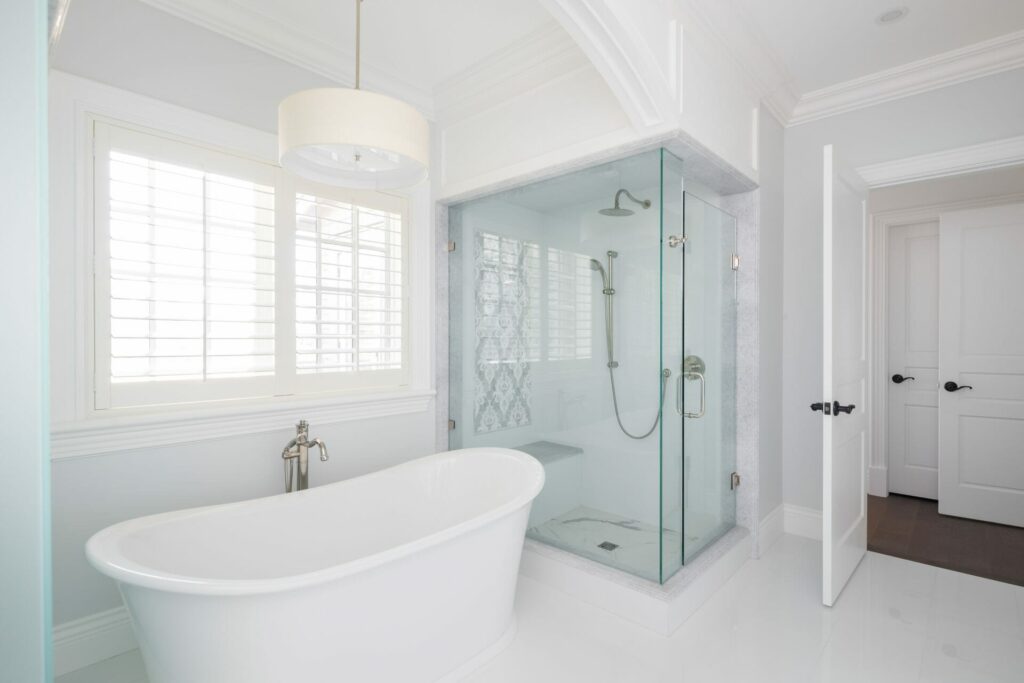
After move-in, the home begins operating under real-life conditions. This is a normal adjustment period. The goal is clear communication and documented follow-up.
A New Home Still Needs A Settling-In Period
A new home can raise questions about ventilation, heating, humidity, exterior drainage, doors, finishes, and system settings. Some items are warranty concerns. Others are homeowner education or seasonal behaviour.
This is especially true through the first wet season. Homeowners may need guidance on HRV/ERV settings, humidity, exterior drainage, and how systems should operate.
A good builder sets expectations so owners know what is normal, what needs attention, and how to report concerns.
Documentation Makes Follow-Up Easier
Follow-up is easier when selections, product information, daily logs, progress photos, and warranty notes are documented. A client portal helps reduce confusion because owners and the builder can reference the same records.
This matters because many questions come after the work is hidden. Photos and notes help explain what was done and when.
Clear documentation reduces “who said what?” and keeps post-move-in support practical.
Month 12: Warranty Rhythm And Performance Review
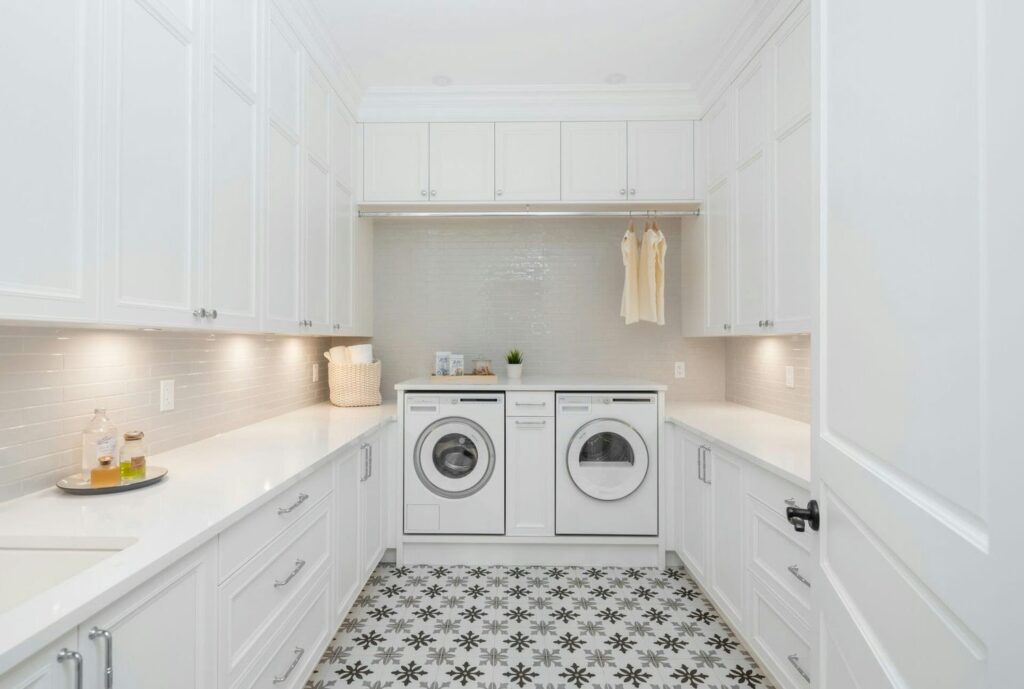
At this point, the home is living through real Lower Mainland conditions. Rain, humidity, heating demand, ventilation patterns, and exterior drainage all become part of daily use.
This is a good time to establish the warranty rhythm and help owners understand how the home performs.
Winter Shows How The Home Actually Performs
Winter reveals how the home manages comfort, ventilation, indoor humidity, and exterior water. It can also reveal small adjustments that were not obvious in dry weather.
This does not mean a new home should have major problems. It means the first winter is a learning period for the owner and the home.
Good support helps owners understand normal operation and flag anything that needs review.
Warranty Is A System, Not An Afterthought
Warranty success depends on clear documentation, response pathways, and homeowner understanding. Owners should know what is covered, how to report items, and what normal seasonal behaviour looks like.
A warranty process should be calm and organized. It should not require homeowners to chase every detail through texts and memory.
The better the build documentation, the easier the warranty relationship becomes.
What Usually Slows A Custom Home Build In Greater Vancouver
Even a well-planned build can face delays. The difference is whether those delays are managed within a clear system or allowed to drift.
In Greater Vancouver, the most common schedule pressures come from weather, inspections, owner decisions, long-lead materials, and trade sequencing.
Weather And Site Conditions
Rain, soft ground, winter conditions, wind, and wet-site logistics can affect excavation, foundation work, framing, exterior envelope, cladding, drying times, and landscaping.
Weather rarely stops everything, but it changes sequencing. A builder may shift crews, protect materials, adjust exterior work, or move attention to tasks that can proceed.
A good schedule includes flexibility for local conditions instead of pretending the weather will cooperate every week.
Inspection Gates And Concealed Work
Inspections protect code compliance and safety, but they also create schedule gates. If work is covered too soon or an inspection is missed, the project can lose time.
The lesson applies across municipalities: concealed work needs the right review before the next phase covers it.
Late Owner Decisions
Late owner decisions can affect windows, fixtures, tile, millwork, lighting, appliances, exterior materials, and finishes. These delays often show up weeks or months after the decision deadline was missed.
A late fixture selection may delay rough-ins. A late tile selection may delay finishing. A late exterior material decision may affect envelope sequencing.
The best builders keep owners ahead of trade needs through clear decision deadlines.
Long-Lead Materials And Trade Availability
Specialty products and high-demand trades need scheduling well ahead of time. Windows, doors, custom millwork, specialty cladding, appliances, and mechanical equipment can all affect sequencing if they arrive late.
Trade availability matters too. In a busy market, missed dates can push a project behind other booked work.
This is why pre-booked trades and documented schedules are not admin details. They protect the build year.
How Versa Homes Keeps The Build Year Moving
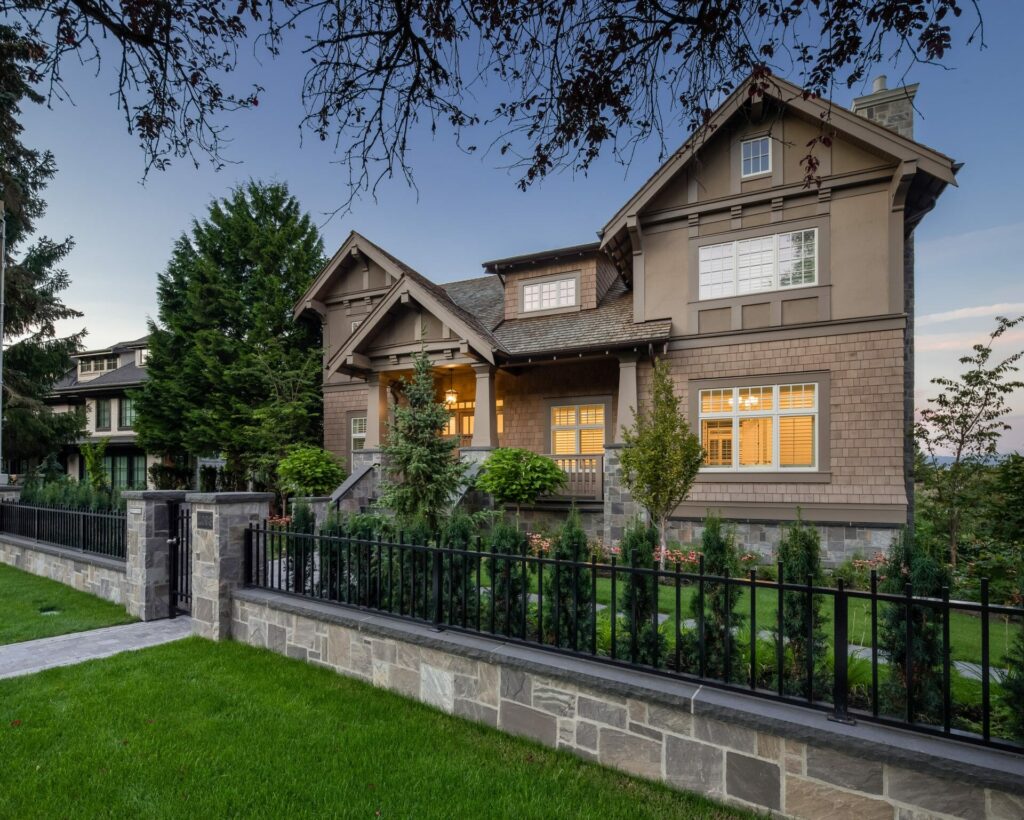
A custom home build moves better when the year is sequenced, documented, and staffed before each milestone arrives. Versa Homes supports that with a detailed build schedule and pre-booked trades, a client portal with daily logs and progress photos, fixed-price contracts once scope is defined, and our Move-In Date Commitment of $5,000 if we miss the committed date.
The goal is not to pretend every build is identical. The goal is to reduce avoidable drift, keep decisions ahead of trades, and give you clear visibility from excavation to handover. If you’re looking for a custom home builder that treats the build year as a coordinated sequence, we’d be glad to walk you through how we run ours.
To see the finished project of the Vancouver custom home in this article, check out Project Wolfe in our portfolio.
Frequently Asked Questions
How Long Does A Custom Home Build Take In Greater Vancouver?
A representative build can run around 10–12 months after permits and pre-construction are ready, but the timeline depends on lot conditions, design complexity, weather, inspections, trade availability, material lead times, and owner decisions. Complex homes or difficult sites can take longer, which is why planning the sequence and communicating early when conditions change matter so much.
What Happens First After The Building Permit Is Issued?
Site setup usually comes first, which can include fencing, access planning, demolition if needed, temporary services, erosion control, tree protection, excavation, and water management. These early tasks may not look like the finished home yet, but they set up the foundation and the rest of the build.
Why Does Framing Feel Faster Than The Rest Of The Build?
Framing is visually dramatic because the structure rises quickly, so you can suddenly see rooms, walls, stairs, and roof shape. Rough-ins, insulation, drywall, and finishes can feel slower because they involve many trades, inspections, hidden work, drying time, and detailed decisions.
How Does Weather Affect A Custom Home Build In Greater Vancouver?
Rain and wet-site conditions can affect excavation, foundation work, framing, exterior envelope, cladding, drying times, and landscaping. Builders plan sequencing around weather windows where possible, but weather can still shift the order of tasks or require extra protection.
When Do Homeowners Need To Make Finish Decisions?
Many decisions need to be made months before installation, since windows, fixtures, appliances, cabinetry, tile, flooring, lighting, exterior materials, and paint colours all affect procurement and trade scheduling. The best approach is to make decisions before trades need them, not when the site is already waiting.
What Are The Biggest Causes Of Schedule Delays?
Common causes include late selections, design changes, inspection delays, weather, long-lead materials, trade availability, hidden site conditions, and incomplete coordination between drawings and field work. A detailed schedule, pre-booked trades, and documented owner decisions reduce many of these avoidable delays.
What Is The Difference Between Handover And Move-In?
Handover is the structured process where the home, keys, documents, systems, warranty information, and deficiency notes are reviewed with the homeowner. Move-in is when the homeowner begins occupying the home, and the two often happen close together but are not exactly the same thing.
How Does Versa Homes Keep Owners Updated During The Build?
Versa Homes uses a client portal with daily logs, progress photos, schedule updates, and documented decisions, which gives owners clear visibility without needing to chase updates through scattered messages. It also helps with follow-up because key decisions, photos, and notes stay organized in one place.

Felipe Freig
Founder of Versa Homes
Felipe Freig is the founder of Versa Homes, a Vancouver custom home builder known for architecturally driven, fixed-price projects. With years of hands-on site experience and deep permitting and by-law knowledge, Felipe leads high-performance teams that deliver precision craftsmanship, clear budgets, and on-schedule luxury homes.
You May Also Like...

How To Write A Clear Design Brief For Your Custom Home

From Raw Lot To Building Permit: The 9-Month Story Most Buyers Don’t See

Is Versa Homes the right custom home builder for you?

Vancouver Building By-Law: Key Design Considerations For New Homes
Nurturing Your Custom Home: 5 Things to Keep in Mind After Construction

BC Energy Step Code: A Practical Guide for Custom Homes

What is the difference between cost plus and fixed price?

Elevating Your Basement: Creative Renovation Ideas for a Custom Home or Luxury Estate

Understanding Fluctuations in Building Material Costs