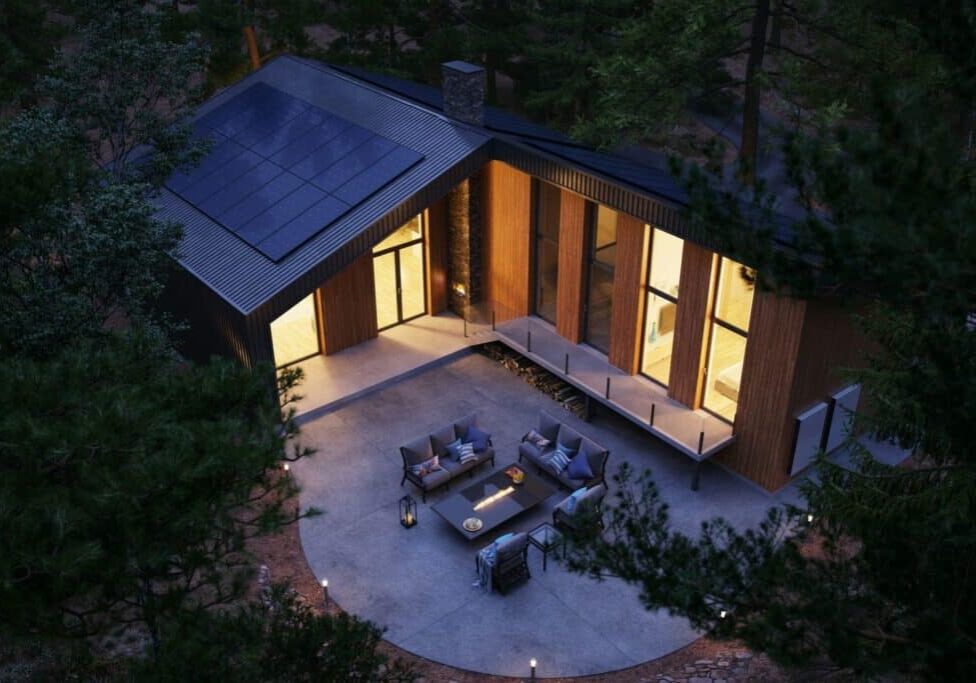
Solar-ready roof design means you shape and document your roof so solar panels can be added later with minimal rework, fewer penetrations, and fewer electrical surprises. The smartest time to do it is during custom home architectural design, when roof geometry, vent locations, and equipment paths are still easy to move.
In practical terms, “solar-ready” comes down to a few decisions you can lock in early without committing to panels right away:
- Keep one clean roof plane (or two) with enough uninterrupted area
- Push plumbing vents, skylights, and mechanical off the best solar zone where feasible
- Confirm the structural approach so future panel loads can be reviewed without scrambling
- Plan a clear conduit pathway from roof to the electrical area
- Reserve space for inverter, disconnects, and possible battery (even if you install later)
This article focuses on what you can do now, during design, to protect your options later. It’s not solar installer advice, and it won’t replace structural or electrical design. It will help you ask better questions, faster, so your roof stays flexible.
What “Solar-Ready” Means In Practice
A solar-ready roof isn’t just “a roof that could fit panels.” It’s a roof that stays friendly to solar after real-world details show up, like plumbing vents, skylights, roof drains, and mechanical terminations. In Greater Vancouver, it also needs to work with shade from trees and neighbouring homes, plus the rain-and-maintenance reality of the Lower Mainland.
If you want solar later, the big risk is forgetting about it until drawings are complete. Then “simple” changes become expensive: moving vents, revising trusses, or fishing conduit through finished spaces. Solar-ready planning keeps those decisions cheap and clean.
Solar-Ready Vs PV-Ready Vs Solar Hot Water Ready
Most homeowners today mean PV-ready (photovoltaic) when they say “solar-ready.” PV panels generate electricity, which can support an all-electric home, EV charging, and battery storage. Solar hot water is a different system with different constraints, and it’s much less common on new custom builds than PV.
In plain language, PV-ready focuses on: a usable roof zone, a pathway for wiring, and a place for electrical equipment. You are future-proofing the home’s layout and documentation, not buying the panels yet.
If you’re not sure which direction you’ll go, design for PV-ready first. It protects the widest range of future options without locking you into a specific product.
The Three Parts Of Solar Readiness
- Roof geometry readiness is about having a clean, unshaded plane where panels could sit without being chopped up by hips, valleys, and dormers. The “best” plane varies by lot, but the concept stays the same: simplify one zone and protect it.
- Structure readiness is about making sure the future solar plan can be reviewed and supported without emergency reinforcement. You don’t want to overbuild blindly, but you do want your structural engineer to know your intent so the roof layout doesn’t fight you later.
- Electrical readiness is about pathway and space. If there’s no practical route for conduit from roof to electrical area, or no reasonable location for inverter and disconnects, solar becomes a disruptive retrofit instead of a straightforward upgrade.
PV-Ready Design Guidance From NRCan
Natural Resources Canada (NRCan) publishes PV-ready guidance that outlines common design considerations builders can plan for in new homes, including roof layout and electrical pathways. It’s a good baseline if you want to confirm you’re thinking about the right categories before you finalize drawings.
Why You Should Design For Solar Before You Install Solar
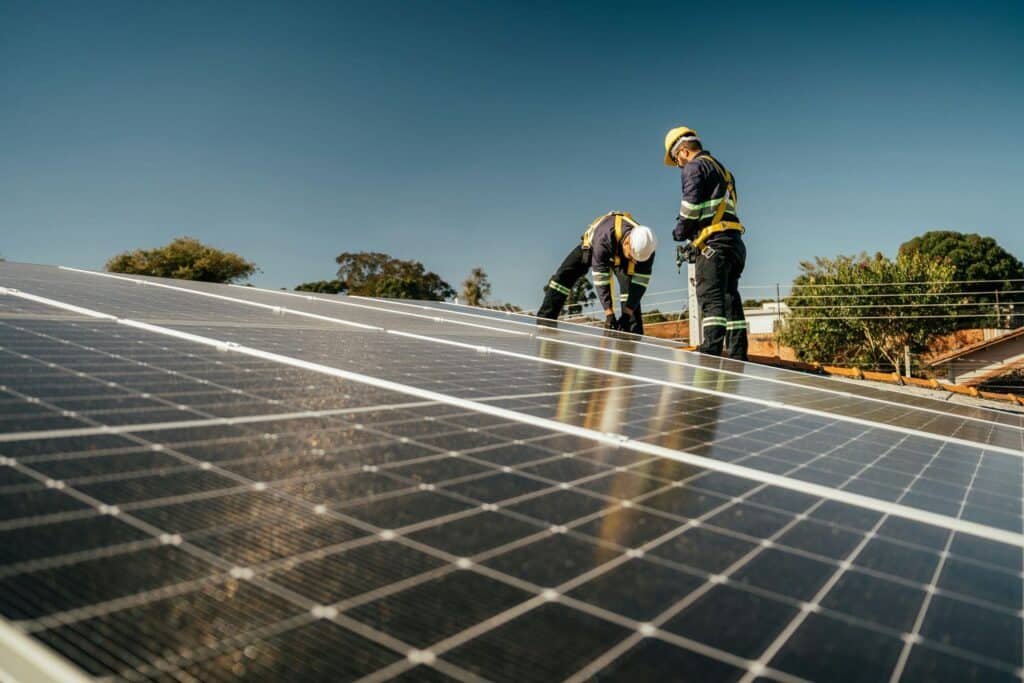
Solar-ready design is about leverage. Early in design, moving a vent stack or adjusting a roof plane is often a simple coordination change. After you’ve built, those same moves can mean opening finished ceilings, patching roofing, or redesigning structural elements.
Even if you never install solar, solar-ready planning usually improves the roof plan. Cleaner roof zones, fewer random penetrations, and better documentation tend to reduce complexity and long-term maintenance.
Roof Decisions Are Expensive To Change Later
Roof penetrations and roof framing decisions create a chain reaction. A skylight placed in the “best” roof zone can block a future panel layout. A vent moved late can change truss design, which can change costs and schedules.
The other hidden cost is disruption. Retrofitting conduit through finished spaces can mean drywall repair, repainting, and access challenges. Planning a pathway now can keep the future installation tidy and predictable.
A solar-ready roof is often just a better-organized roof. It’s one of those upgrades that pays back in fewer compromises later.
Solar Readiness Protects Both Aesthetics And Performance
Panel layouts work best when they’re not forced into awkward fragments. If you protect a clean plane, you give the future installer more flexibility to optimize layout, keep arrays neat, and reduce visual clutter.
Solar-ready planning also helps you avoid “roof acne,” where vents, caps, and terminations end up scattered. Grouping penetrations and protecting a designated zone can improve the look of the home now, even if panels come later.
Performance matters too, but you don’t need to chase perfection. A good, shade-managed roof zone usually beats a theoretical “ideal” that’s constantly blocked by trees and obstructions.
When This Fits Into The Design Timeline
The best time to lock in roof geometry and solar-ready pathways is early, when the team is still shaping massing and rooflines. Once you move into detailed coordination, changes ripple through more drawings and more trades.
If you want to see where roof decisions typically land in the broader timeline, these architectural design phases help clarify when key choices get finalized.
A simple rule works well: decide the “solar zone” during early design, then protect it during mechanical, structural, and electrical coordination.
Roof Shape And Layout: Create A Clean Solar Zone
Roof shape is the biggest determinant of how easy solar will be later. You don’t need a plain box. You do need at least one roof area that stays simple enough to work with.
In Metro Vancouver, shading is often the limiting factor, not roof size. Trees, neighbouring homes, and narrow-lot spacing can cut into usable roof space. That makes a protected, obstruction-managed zone even more valuable.
Prioritize One Or Two Large Roof Planes
Aim for one primary plane that can host a future array without being interrupted every few feet. In many designs, that means keeping hips and valleys away from the best sun exposure and avoiding excessive roof breaks on the prime side.
If your architecture needs multiple roof forms, you can still be solar-ready. The trick is to designate a single “solar zone” early and keep it intact while the rest of the roof does its architectural job.
When you review concept drawings, ask one question: “Which roof plane are we protecting for future solar?” If nobody can answer, you’re not solar-ready yet.
Design Around Shading And Obstructions
Obstructions come in two forms: what’s on your roof, and what surrounds your roof. On-roof obstructions include skylights, chimneys, plumbing stacks, roof hatches, and mechanical terminations. Surrounding obstructions include mature trees, neighbouring structures, and future growth in landscaping.
You don’t need a full shading study to make better early decisions. You do need awareness. If the best roof plane sits under a large tree canopy, your solar zone might need to shift, or you might plan for a different energy strategy later.
Document intent on the roof plan: keep the solar zone clear, and cluster obstructions away from it wherever feasible.
Coordinate Mechanical Early So The Solar Zone Stays Clear
Mechanical and plumbing often “win by default” if solar isn’t part of the conversation. Vents and terminations land where it’s easiest for routing, and the roof ends up peppered with penetrations in the exact area you wanted to protect.
A solar-ready approach flips that. You identify the solar zone first, then ask mechanical and plumbing to route around it. That doesn’t mean “no penetrations.” It means “planned penetrations.”
This coordination is also where a clear design brief helps. If solar-ready is a stated goal, it’s easier for every consultant to protect the roof zone without guesswork.
Pitch, Roofing Materials, And Weather: Plan For The Lower Mainland Reality
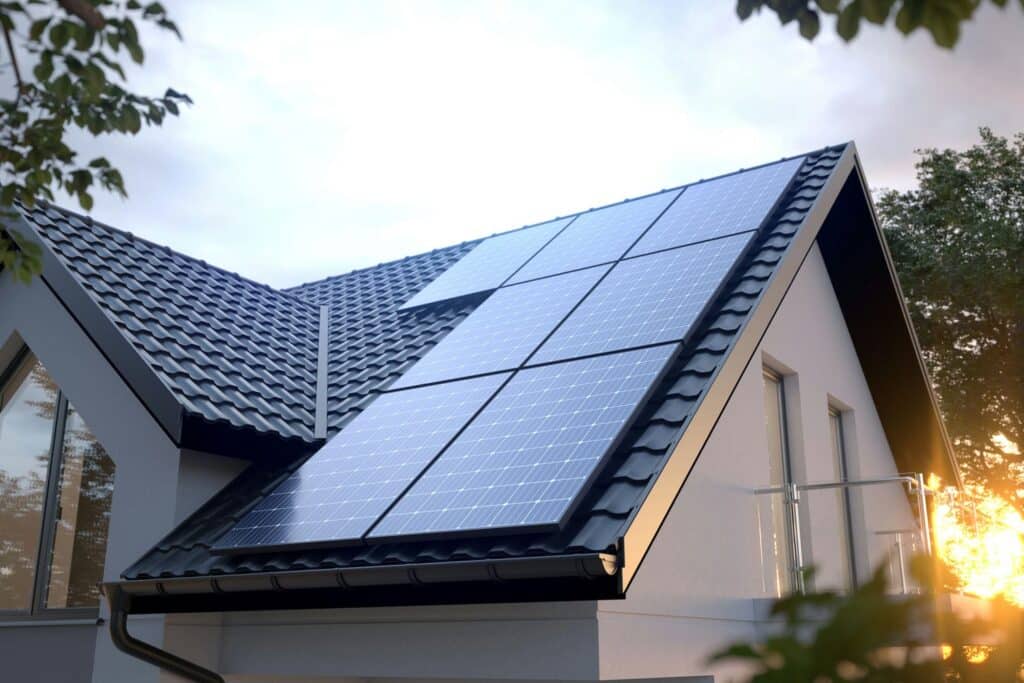
Solar-ready roof design has to be buildable and maintainable in Vancouver-area weather. Heavy rain, moss, and debris are routine. You want a roof that sheds water well, stays accessible for maintenance, and can accommodate future attachments without compromising waterproofing.
This is not about picking one “best” roofing product for solar. It’s about ensuring your roof design and roofing strategy won’t box you into expensive rework later.
Pitch And Orientation: What Matters More Than Perfection
Homeowners often worry about finding the perfect pitch or direction. In practice, a clean, unshaded plane with good access often matters more than chasing an ideal angle at the expense of roof complexity.
Orientation still matters, but it’s not a single-variable problem. Shade management, roof breaks, and obstruction planning can have a bigger impact on real-world feasibility than a small pitch difference.
Treat the roof as a system: plane clarity, shade exposure, and future pathway. If those are strong, you’ve done most of the work.
Roofing Materials And Attachment Planning
Solar-ready means thinking ahead about how future attachments might interact with your roofing assembly. Waterproofing details matter. So does sequencing if you plan solar long after move-in.
Your builder, roofer, and future solar installer should align on basic assumptions: where attachments can land, how penetrations are sealed, and what roof zone is meant to stay clear. Even a simple note in the drawings can prevent a lot of confusion later.
If you’re not installing solar now, the goal isn’t to lock into a brand. It’s to keep the roof compatible with common attachment approaches so you don’t have to rebuild your roof to add panels.
Rain Management And Maintenance Access
Lower Mainland roofs need routine care. A solar-ready roof should preserve practical maintenance access around key areas, especially if you have valleys, gutters, or areas that collect debris.
It also helps to think about future service access. If panels cover a hard-to-reach maintenance zone, you may create a long-term headache. A clean solar zone that avoids problem areas can make future upkeep easier.
Design choices that reduce debris traps and simplify drainage are good for the roof now, and they often make solar easier later.
Structure And Loads: Make Future Solar Straightforward
Structural readiness is a coordination issue, not a DIY calculation. A solar-ready roof acknowledges that panels add load and can change how wind acts on the roof. That’s why the right question is not “How much load is solar?” It’s “Have we coordinated intent so the roof can be reviewed cleanly later?”
In custom homes, roof framing can vary widely. The same solar array might be easy on one structure and complicated on another. Good documentation keeps you from guessing later.
What Needs To Be Confirmed Structurally
At minimum, the structural team should know you want a designated solar zone so they can consider how that zone might be used in the future. In some projects, the design may already exceed what future solar would require. In others, the roof may need future review.
You don’t need to overbuild “just in case.” You do need an intentional approach, so you’re not surprised by reinforcement requirements after finishes are complete.
If solar is likely within a few years, it’s worth discussing structural assumptions during design. It’s usually cheaper to coordinate early than to retrofit later.
Truss And Framing Coordination
Framing layout can influence future attachment locations and how easily wiring routes can be planned. If trusses are part of your design, solar-ready intent should be visible to the truss designer so the protected roof plane isn’t undermined by late changes.
This isn’t about adding complicated details. It’s about making sure everyone sees the same “solar zone” and understands it as a constraint like any other design constraint.
When the team coordinates early, the roof stays cleaner, and future installers have fewer obstacles to work around.
Where To Document Structural Assumptions
The most common solar-ready failure is simple: nobody writes it down. If your intent isn’t on drawings or in the project notes, it can be forgotten as trades coordinate their own priorities.
A simple roof plan note like “Solar-ready zone to remain clear of penetrations where feasible” helps. A structural note can also indicate that the zone is intended for future review, without making promises about capacity.
Documentation protects intent across months of decisions. It also helps you if you sell the home and the next owner wants solar.
Electrical And Equipment Planning: Conduit, Panel Capacity, And Locations
Electrical readiness is where many “we’ll do it later” plans break down. Panels on a roof need a clear, practical route to equipment and a sensible place for that equipment to live. If you don’t reserve those spaces, solar can become a messy retrofit.
In custom homes, you can design this cleanly. You’re already planning mechanical rooms, electrical panels, and service pathways. Solar-ready design simply makes room for a future connection.
Plan A Clear Path From Roof To Electrical Area
A solar-ready home should have a planned pathway from the roof to the electrical area that avoids major finished obstructions. The exact route depends on your layout, but the concept is consistent: make it straightforward enough that a future install doesn’t require unnecessary demolition.
In many cases, that means choosing a route that aligns with a chase, utility wall, or a logical stacked path between floors. It can be as simple as “we have a planned conduit route here,” documented on drawings.
You don’t need to install everything now. You do want to avoid a situation where there’s no clean route without opening ceilings.
Leave Space For Inverters, Shutoffs, And Future Batteries
Even if you install panels later, you’ll need space for equipment. Solar-ready planning sets aside a reasonable location that’s accessible for service and sensible for noise and heat considerations.
If you think battery storage could be part of your future, reserve space with that possibility in mind. The point isn’t to buy the battery today. The point is to avoid designing a home where there’s no good place to put it later.
A small space decision during design can prevent a major compromise later.
Think Beyond Solar: EV Charging And Heat Pump Loads
Many custom homes are trending toward higher electrical demand, especially with EV charging and heat pumps. Solar-ready design fits naturally into that conversation because you’re thinking about long-term energy strategy, not just a single upgrade.
This is also where a clear brief matters. If your long-term plan includes electrification and future solar, your team can align roof, electrical, and equipment spaces accordingly.
If you want help organizing those goals, start by stating them in your pre-design requirements and reviewing them early with your design team.
Permits And Documentation: What To Show In Your Drawings
Permitting and submission details vary by municipality, so the safest approach is to plan solar-ready broadly, then confirm local requirements when you install. Even if you’re not installing panels now, it’s still smart to document the roof zone and pathway concepts so future submissions are easier.
In the City of Vancouver and other Metro Vancouver municipalities, solar panel installations commonly require permits and coordinated submissions. Your solar installer will usually lead that process when the time comes, but your original design documentation can make it smoother.
What Municipalities Typically Care About
At a high level, municipalities and inspectors tend to care about safety, structural implications, and code compliance. If an installation changes the roof structure, adds significant equipment, or alters electrical work, it typically triggers more documentation.
The key takeaway for a new custom home is simple: if your drawings already show a protected roof zone and a clear concept for pathways and equipment space, you reduce the likelihood of last-minute redesign when you add solar later.
Always treat permit requirements as location-specific. A quick check with your municipality prevents assumptions from turning into delays.
A Vancouver Reference For The Permit Process
The City of Vancouver provides a solar photovoltaic panels page that outlines the permit process and links to its guide and criteria documents. It’s a practical starting point if your custom home is in Vancouver proper.
Even if you’re outside Vancouver (Burnaby, Coquitlam, Langley, Surrey, Delta, Abbotsford), the Vancouver page is still useful for understanding the categories of information cities commonly request. Then confirm the specific checklist for your municipality.
What To Include In A Drawing Set So Solar-Ready Intent Doesn’t Get Lost
Solar-ready intent should show up in places that survive the full project lifecycle: roof plans, notes, and coordination documents. A simple roof plan note about the solar zone and obstruction strategy can prevent “default” penetration placement from creeping into the best roof area.
If you want deeper detail on what drawings typically include for applications, this guide on a building permit drawing set breaks down the common components.
The goal here isn’t to create a solar permit package today. It’s to make sure your future solar installer doesn’t start from scratch because the original project forgot to preserve options.
Solar-Ready Roof Checklist For Your Pre-Design Meeting
A solar-ready checklist gives you a simple way to keep the roof zone protected while the design evolves. Bring it into your early meetings and treat it like a set of guardrails, not a rigid requirement.
If you already know you’ll install solar soon, you can go further and coordinate with a solar installer during design. If solar is “maybe later,” this checklist still keeps the big mistakes off the table. Use this as a quick agenda item when you review roof plans:
- Identify the primary solar zone (one or two roof planes)
- Confirm the zone is large and uninterrupted enough to stay workable
- Move or cluster vents, skylights, and terminations away from the zone where feasible
- Confirm the team has a shade awareness plan (trees, neighbours, roof obstructions)
- Confirm the structural approach allows future review without major redesign
- Confirm a pathway concept from roof to electrical area (chase or logical route)
- Reserve a reasonable equipment location (inverter, disconnects, possible battery)
- Add a solar-ready note on drawings so the intent survives coordination and value engineering
- Confirm who owns future scope: what’s “design-ready” now vs what’s “solar installer scope” later
Common Solar-Ready Mistakes And How To Avoid Them
Solar-ready problems usually show up as small decisions that compound over time. Nobody makes a single “anti-solar” choice. The roof just gets busier and more fragmented until there’s no usable space left.
If you want to stay solar-ready, protect one simple roof zone and treat it like a priority the same way you treat a view corridor or privacy line.
Fragmented Rooflines That Leave No Usable Solar Zone
Complex rooflines can look great, but they can also chop the roof into small triangles and narrow strips. That leaves no practical area for a future array, especially once you account for setbacks from edges and obstructions.
You can often keep the same architectural character while simplifying one plane. The key is to avoid putting all the roof interest on the same side you’d want to use for solar.
Ask for a quick roof plan overlay that shows the designated solar zone. If the zone is unclear, it’s a sign the roof may be drifting away from readiness.
Too Many Penetrations In The Best Roof Area
The best solar zone is usually the roof plane that also feels “easy” for vent routing. If solar isn’t part of the design brief, vents, caps, and skylights can land there by default.
The fix is early coordination. Cluster penetrations on a secondary plane where feasible. Keep the prime zone clear. Even one moved vent can make a big difference in future layout flexibility.
This is one of the easiest solar-ready wins because it’s mostly a planning decision, not a cost-heavy upgrade.
No Planned Pathway Or No Space For Equipment
Many solar retrofits become messy because the home was never designed with a logical path from roof to electrical. The installer can still make it work, but it may involve visible conduit runs or invasive access.
A solar-ready design reserves a pathway concept and a place for equipment. You don’t need to over-specify it. You do need to avoid designing a home where there’s simply nowhere sensible for future solar components.
If your design includes a dedicated utility area, use it intentionally. That’s the simplest way to protect solar readiness.
How Versa Homes Helps You Future-Proof The Roof
Solar-ready roof design is really about future-proofing. You keep your options open without paying for unnecessary upgrades today, and you avoid the expensive retrofit moves that happen when solar is treated as an afterthought. At Versa Homes, we build that kind of clarity into the process with fixed-price contracts once scope is defined, a detailed build schedule with pre-booked trades, and a client portal that keeps decisions and documentation organized with progress photos and daily logs. If you want solar-ready thinking integrated into your rooflines from day one, start with our architectural design services.
Frequently Asked Questions
What Does Solar-Ready Roof Design Mean For A Custom Home?
It means your roof is designed and documented so PV panels can be added later with fewer conflicts, fewer penetrations in the best roof zone, and a clear plan for electrical pathways and equipment space.
How Much Roof Space Do I Need For Solar Panels?
It depends on your energy goals and how much shade your roof gets. A solar-ready approach focuses on preserving a clean, flexible roof zone now so you can size the system later without redesigning the roof.
Does My Roof Need To Face South For Solar In Vancouver?
South exposure can help, but roof shading and having a clear, unobstructed plane often matter more than chasing a single “perfect” direction. A solar-ready roof still aims to protect the best available plane for your specific lot.
Should I Reinforce The Roof Structure Now For Future Solar?
Not always. The key is to coordinate intent during design so the structural approach can be reviewed cleanly later, without scrambling for reinforcement after finishes are complete.
Where Should Conduit And Electrical Capacity Be Planned?
Plan a practical pathway from roof to the electrical area and reserve wall space for future equipment like an inverter and disconnects. Those layout decisions are easiest during design, even if installation happens later.
What Roof Features Make Solar Harder Later?
Fragmented rooflines, too many vents and skylights in the prime roof zone, heavy shading, and no planned pathway for wiring are the most common issues that force costly rework.
Do I Need A Permit To Add Solar Panels In Vancouver?
Permits are typically part of the process, and requirements can vary by municipality. The City of Vancouver provides an overview and guidance documents for solar PV permits.
Can I Make A Flat Roof Solar-Ready?
Yes, but it changes detailing and coordination, especially around waterproofing, access, and equipment placement. The best time to address those considerations is during custom home design, not after construction.

Felipe Freig
Founder of Versa Homes
Felipe Freig is the founder of Versa Homes, a Vancouver custom home builder known for architecturally driven, fixed-price projects. With years of hands-on site experience and deep permitting and by-law knowledge, Felipe leads high-performance teams that deliver precision craftsmanship, clear budgets, and on-schedule luxury homes.
You May Also Like...
Tips to Choosing the Right Contractor for your Custom Home
Understanding the Difference: Custom Home v.s. Custom Estate

Vancouver Building By-Law: Key Design Considerations For New Homes

Off-Market Lots In Greater Vancouver: How Discreet Lots Get Sold

Site Survey Vs Site Plan Vs Grading Plan: What Each One Does
The Role of a Vancouver Custom Home Builder in Navigating Complex Building Regulations
Building Foundations: The Crucial Role of Wood Beams in Ensuring Strength and Stability