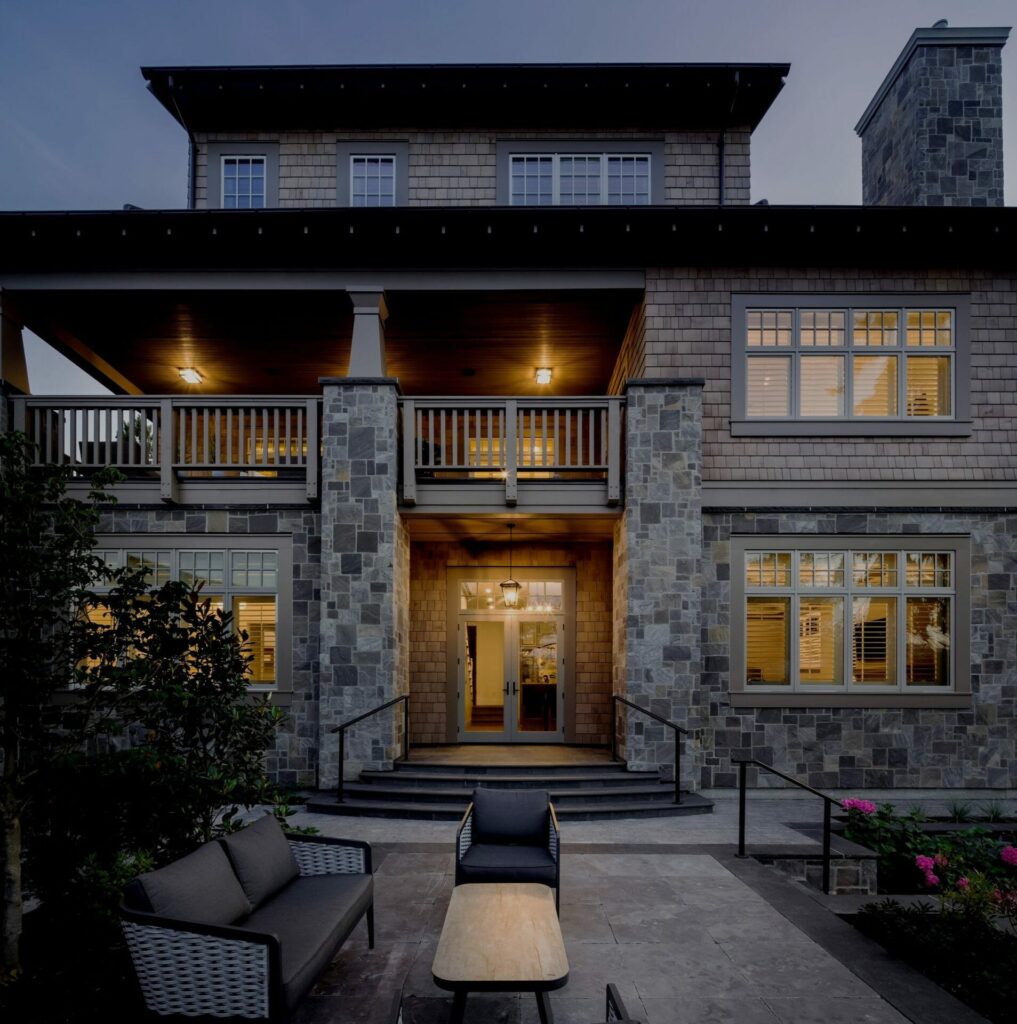

If you’re building a new home in Vancouver, the Vancouver Building By-law is the rulebook that shapes what your design must prove to get approved and built. It affects far more than “construction details.” It influences early layout decisions like stair geometry, window placement on tight side yards, and how your consultants coordinate the set. The easiest way to avoid permit-stage redesign is to treat by-law constraints as part of smart architectural design from day one.
Most owners run into problems when they design for the rendering first, then discover the by-law implications later. That’s when you get the painful version of “value engineering,” where you’re not optimizing, you’re cutting and compromising under time pressure.
This guide keeps it practical. You’ll learn what the by-law covers, which design decisions trigger the most rework, and how to run a simple pre-submission check so you don’t spend weeks revising drawings.
What The Vancouver Building By-Law Covers
The Vancouver Building By-law is Vancouver’s building code framework for how buildings are designed, built, permitted, and inspected within the City. For homeowners, that means it touches both the “what” (life safety expectations) and the “how” (what must be shown in a permit-ready package).
It also influences the pace of your permit path. A complete, consistent submission reduces back-and-forth. A messy or inconsistent package almost guarantees additional review cycles.
What It Regulates For New Homes
At a high level, the by-law regulates life safety and buildability. That includes expectations that affect layout, separation, exits, stairs, and the way systems are coordinated so the home can be inspected and approved. It’s not just a technicality. It is the framework the City uses to judge whether your design can be permitted as drawn.
For a new home, this plays out in predictable places. Stairs that “almost work” on paper get flagged once sections are developed. Windows that look great on a tight wall get questioned when distance-to-line implications show up. Mechanical routing that was never properly planned becomes bulkheads and awkward ceiling drops.
The design lesson is simple. You want early discipline, so your later set is documenting decisions, not discovering constraints.
How It Relates To Other Rules You’ll Hear About
Homeowners often lump everything into “permits,” but there are different layers. Zoning sets what you’re allowed to build on a site. Development review may shape form and neighbourhood fit. The Building Permit package then has to show how the home meets the building rule set and how it will be built and inspected.
This is why you can have a concept that feels compliant, but still hit trouble later. Zoning and building code problems are different problems. You can solve one and still fail the other if you do not coordinate early.
The practical takeaway is to stop thinking of “design” and “permits” as separate phases. In Vancouver, they overlap, and your job is to keep decisions aligned as the drawings develop.
Where To Verify The Current City Guidance
Vancouver updates guidance and requirements over time, and you do not want to build your plan off a forum thread or an old checklist. The Vancouver’s by-law overview is the most reliable starting point for homeowners because it points you to the current framework and references.
When something feels unclear, don’t guess. Ask your team to confirm the rule and document the intent in the set. Good projects are not the ones with no constraints. They are the ones where constraints were identified early and designed around intentionally.
The Design Decisions That Get Expensive If You Find Out Late
This is where most custom home stress comes from. When the by-law implications show up late, the fix is rarely “just a small change.” It often ripples through multiple sheets, multiple consultants, and multiple rooms.
If you want a smoother project, you focus on the repeat offenders. These are the design areas that tend to trigger comments, redesign, and delays when they’re handled casually.
Stair Layout, Headroom, And Guardrails
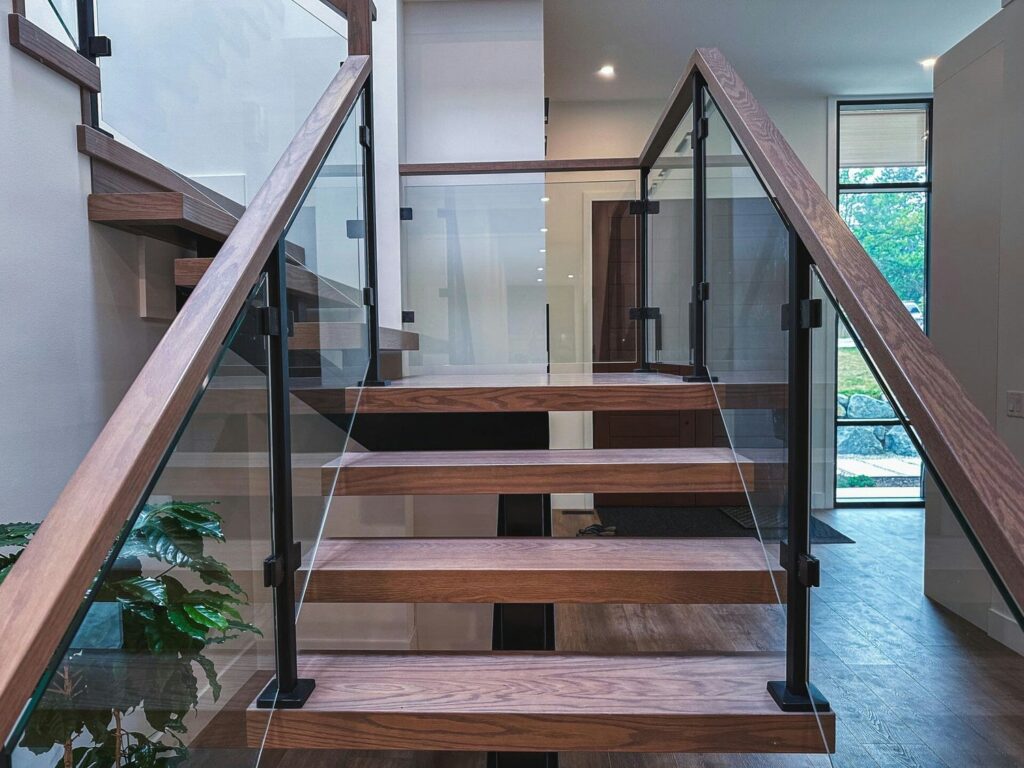
Stairs are a compact problem with big consequences. A stair that looks fine in plan can fail once you draw the section and see headroom, landings, and guard conditions together. Then you’re forced into awkward compromises like shifting walls, stealing space from a hallway, or adjusting floor-to-floor heights you thought were locked.
This is why stair design should be treated as an early coordination item, not something that gets cleaned up at the end. A strong design team will resolve the stair intent early enough that the rest of the layout can be built around it, instead of constantly fighting it.
Stairs also interact with mechanical routing more than homeowners expect. If your stair zone becomes the “easy path” for ducts, you can end up with bulkheads and soffits that degrade the design unless you plan routes early.
Window Locations On Tight Lots
Windows are where homeowners feel the pain most, because windows are emotional. They represent light, view, and character. On tight lots, though, side-yard faces can become constrained, and the by-law and code logic can push you toward fewer openings or different strategies.
The biggest mistake is committing to a “glass-heavy” elevation before the team has clearly identified which faces are likely controlled by proximity constraints. You can still get a bright home, but you may need to shift your daylight strategy to safer faces or use a different window placement approach.
If you want the plain-English explanation of how proximity can constrain openings, this guide is the best place to start before you lock elevations.
Ceiling Heights And Bulkheads Caused By Mechanical Routing
Mechanical systems need space, and they need clean routes. If you leave mechanical planning too late, the first time it becomes “real” is when you see unexpected ceiling drops, boxed-out chases, and compromised sightlines.
This is not just an aesthetic issue. Late mechanical changes can also drive structural changes and framing complexity, which affects schedule and cost. Bulkheads also tend to show up in the rooms you care about most, like main-floor living zones.
A better approach is to plan mechanical intent early enough that your architectural ceiling strategy and structure can support it. That keeps the design clean and avoids the late scramble where every trade is trying to win the same space.
Fire Safety And Close Face Conditions
Some walls behave differently when they’re close to property lines or exposures. Homeowners don’t need to memorize tables, but you do need to understand the concept of “controlled faces” so you don’t design freely where the site does not allow it.
This is one of those constraints that punishes late discovery. If a close face needs fewer openings, you might have to change interior layouts to keep rooms feeling bright and intentional. If you wait until permits, you often end up with last-minute edits that feel like compromise.
If you want to reduce surprises, you identify the close faces early and design around them deliberately. That is how you protect both performance and architecture.
The Core Building Systems The By-Law Forces You To Coordinate

A clean permit path is not just about “nice drawings.” It’s about coordination between the systems that make a house buildable. When those systems are not aligned, the drawings become a negotiation instead of a plan.
The by-law forces that coordination because it’s tied to inspection realities. The City needs to see intent clearly enough that the home can be built and verified.
Structure And Seismic Reality
Structure shapes the freedom of your architecture. Long spans, big openings, and modern glazing concepts can be absolutely achievable, but they have structural consequences that need to be acknowledged early.
When structure is brought in late, it often forces changes that disrupt the design. Beam depths change ceiling lines. Post locations shift layouts. Window sizes and opening positions get adjusted to match load paths. That’s a normal part of building, but it should happen in the right phase, not after you thought the plan was finished.
A coordinated structural approach keeps the architecture clean because the design is built on what will actually stand up, not what looked good in a concept image.
Envelope Durability With Water First, Then Heat
In Vancouver, envelope detailing is not optional. Water management details matter because the climate and exposure realities punish sloppy transitions. If your set is vague at critical junctions, the site will invent solutions, and invented solutions are where leaks and failures start.
Envelope decisions also affect comfort and operating cost. The details that manage water often intersect with details that manage heat, air, and durability. That means the envelope is a coordination topic, not a single line item.
If you want the design to age well, you treat the envelope as a first-class design problem, not a finishing detail.
Plumbing And Mechanical Space Planning
Plumbing and mechanical planning is where “paper design” becomes “real building.” Mechanical rooms need enough space. Venting needs routes that don’t destroy ceiling lines. Service penetrations need to be planned so they don’t create envelope problems later.
Homeowners often assume this is something the trades solve. Trades do solve execution, but the routes and space must be designed. If you leave it to the field, you get bulkheads, awkward soffits, and “that’s just how it had to be” explanations after the fact.
The simplest way to protect your design is to make sure the building systems have a home in the plan before the plan is declared done.
What A Permit-Friendly Drawing Set Needs To Show

A permit-friendly drawing set is not necessarily a massive set. It’s a coordinated set. The City wants clarity, consistency, and enough detail to demonstrate the building will meet requirements and can be inspected.
The fastest permit experience usually comes from a one-pass mentality. You package the set properly, coordinate the consultants, and submit something that answers questions instead of creating questions.
Consistency Across Plans, Elevations, And Sections
Most review comments are not about exotic details. They’re about mismatches. A window that appears in elevation but not in plan. A dimension that shifts between sheets. A stair that works in plan but fails in section.
Consistency matters because it signals discipline. It also reduces reviewer workload, which tends to reduce questions. When a reviewer has to guess, they ask. When they ask, you resubmit. When you resubmit, you lose time.
Your job as an owner is not to draft drawings. Your job is to insist on a coordinated set before you submit.
Typical Details That Remove Guesswork
Typical details are where good sets stop being “pretty drawings” and start being buildable instructions. They show how critical transitions are intended to be built so the site isn’t improvising at junctions.
Details also reduce scope creep. When details are vague, trades fill in the blanks differently. That creates change orders and delays. When details are clear, pricing is cleaner and execution is calmer.
If you want a practical breakdown of what a Vancouver submission-ready set typically includes, start here.
A Homeowner Review Pass Before Submission
Even with a strong team, a homeowner review pass is worth doing. Not because you’re going to catch technical code issues, but because you can catch functional problems and obvious inconsistencies before they become expensive.
This review is especially valuable when you’re making decisions based on a handful of key drawings. If something looks off in plan, it will feel worse in real life. If a window seems oddly placed, it will probably be a daily annoyance. You are the only one who lives with the result.
If you want a structured way to review drawings without drowning in details, this guide lays out a simple approach.
A Simple Pre-Submission Checklist In 5 Steps
This is the practical part. You can do these five steps without becoming a code expert, and they will reduce your risk of permit-stage redesign.
The goal is not perfection. The goal is to prevent avoidable rework.
Step 1: Confirm Which Approvals Apply
In Vancouver, some projects require more than one approval track. The right first move is confirming what approvals apply to your specific scope and site so you don’t produce the wrong package or sequence.
This is also where you get honest about timeline. If your project needs multiple approvals, you plan for that reality early instead of hoping it goes away later.
When approvals are understood up front, your team can design for the right submission, not just the right render.
Step 2: Confirm Your Constrained Faces Early
Every site has faces with more design freedom and faces with less. Constrained faces are usually the ones tight to side yards, close to other buildings, or impacted by exposure conditions that reduce what’s practical on that wall.
Once you identify those faces, you treat them differently. You don’t make them your primary daylight walls. You don’t place oversized openings there without a strategy. You use them for service spaces, stair zones, or controlled glazing that still delivers light without triggering redesign.
Step 3: Coordinate Structure And Mechanical Before Drawings Are Pretty
This is where many custom homes go sideways. Teams spend time polishing floor plans, then structure and mechanical arrive and force changes that cascade across the set.
A better rhythm is to coordinate early. Confirm major structural moves and mechanical routes while changes are cheap. Then polish. That sequence protects the architecture because the polished version is based on buildable reality.
You don’t need final equipment selections early. You do need space planning and routing intent early.
Step 4: Package A One-Pass Submission Set
Every resubmission is a time penalty. It resets momentum, triggers extra coordination, and often forces you to rush decisions that should be thoughtful.
A one-pass approach means your consultants coordinate, your set is internally consistent, and your submission answers the likely questions before they are asked. It’s not about gaming the system. It’s about professionalism and discipline.
This is the approach that tends to produce calmer reviews and fewer costly surprises.
Step 5: Use The City’s Checklists To Reduce Missing Items
Even strong teams miss administrative requirements when they rely on memory. City checklists and guides exist because missing items are common, and missing items slow everything down.
Use the checklists as a packaging tool. It’s not glamorous, but it is effective. It also reduces the risk of “we need one more document” delays that can stall progress when you’re ready to move.
A good place to start is the City’s forms, checklists, and bulletins hub.
When To Resolve These Issues In The Design Process
Timing is a hidden cost driver. If you make certain decisions too late, you either pay to redo work or you accept compromises you didn’t want.
The goal is to solve the big constraints early, then refine the design without fear.
Concept Phase: Lock Massing And Risk Faces
In concept, you are deciding the shape of the home and how it sits on the site. This is when you should identify risk faces, constrain walls that are likely controlled, and decide where your big daylight moves belong.
This is also when you avoid designs that fight the site. If your concept requires a wall of glass on a constrained face to feel “right,” the concept is fragile. A better concept gets light and view from faces that can support them.
If you want to understand what belongs in concept versus what belongs later, use this phase breakdown as your benchmark.
Design Development: Lock Coordination And Details
Design development is where your home becomes buildable. This is the stage where structure, mechanical, and architectural intent should align so the permit set is not a guess, it’s a plan.
This is also where good teams protect the owner. When coordination is done here, pricing is cleaner, schedules are more predictable, and construction becomes execution instead of constant decision-making.
If your design development stage feels like endless rework, it usually means constraints were not identified early enough, or coordination was not forced soon enough.
How Versa Homes Helps You Avoid Bylaw-Driven Rework

We Treat Compliance As A Design Constraint, Not A Late Fix
By-law surprises cost money because they cost time and force redesign. We reduce that risk by treating compliance constraints as part of feasibility and early design, not something you discover during permit submission.
That approach protects your design. When constraints are known early, you can design around them intentionally and still get a home that feels calm, bright, and purposeful. When constraints show up late, you get edits that feel like compromise. Discipline early creates freedom later.
Protecting Your Budget, Timeline, and Build Quality
We run custom home projects with a fixed-price contract model once scope is defined, so you’re not living in “allowance reality” while drawings are still changing. We also build around a detailed schedule with pre-booked trades, which reduces drift when permitting and documentation take longer than expected.
During the build, you get a client portal with 24/7 access, including daily logs and progress photos. That transparency matters when decisions and inspections are happening and you want the truth quickly.
We also back our builds with Versa Shield warranty coverage, because durability and accountability are part of the deal.
Start With a Permit-Ready Design Strategy
If you’re early in design, the smartest move is to treat Vancouver’s building rule set as a design input now, not a permit surprise later. That keeps your elevations, systems, and budget aligned before you get emotionally committed to the wrong version of the home. If you want help coordinating a permit-friendly custom home design in Vancouver, start with our architectural design services.
Frequently Asked Questions
What Is The Vancouver Building By-Law?
It’s Vancouver’s building code framework that regulates how buildings are designed and constructed, plus the administrative rules for permitting, inspections, and enforcement. It affects both design decisions and what your permit set must show.
Does The Vancouver Building By-Law Apply To Single-Family New Homes?
Yes. New homes are subject to the City’s building requirements and must be permitted and inspected under the City’s framework. The practical impact is that your drawings and consultant coordination need to match what the City expects to review.
What Design Choices Most Often Trigger Permit Revisions In Vancouver?
The most common triggers are stairs and headroom, window placement on tight faces, unclear system coordination, and inconsistent drawings across plans, elevations, and sections. Most delays come from clarity issues and late discovery of constraints, not exotic design features.
What Should Be Included In A Vancouver Permit Drawing Set?
At minimum, you want a coordinated package that is consistent across all sheets and includes the drawings and supporting documents the City expects. The best way to avoid resubmissions is to package a one-pass submission with the right supporting items.
Can A Builder Help Identify By-Law Risks Before Permit Submission?
Yes. A builder review helps surface buildability risks, coordination gaps, and missing scope early. It’s easier and cheaper to fix issues in drawings than in the field, especially when they affect multiple trades.
Where Can I Find The City’s Official Checklists And Bulletins?
Use the City’s forms, checklists, and bulletins hub to confirm what applies to your project type and submission requirements.

Felipe Freig
Founder of Versa Homes
Felipe Freig is the founder of Versa Homes, a Vancouver custom home builder known for architecturally driven, fixed-price projects. With years of hands-on site experience and deep permitting and by-law knowledge, Felipe leads high-performance teams that deliver precision craftsmanship, clear budgets, and on-schedule luxury homes.
You May Also Like...

Schematic Design Vs Design Development: What Custom Home Clients Need to Know

Window-To-Wall Ratio And Daylighting: Getting The Balance Right

Building Resilience: Versa Homes’ Comprehensive Guide to Earthquake-Proofing Your Custom Home


Langley Tree Bylaw and Arborist Requirements for Custom Homes
Building Safety from the Ground Up: 5 Tips to Build a Safer Home