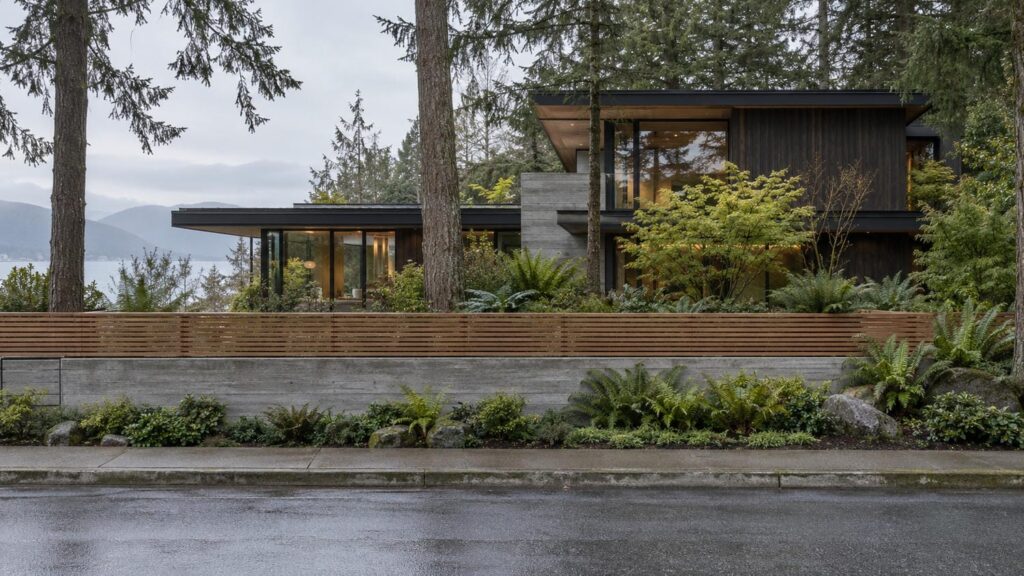

Yes, you can finance a custom home build in Canada. It just doesn’t look like the simple “purchase mortgage” you use to buy a finished house. Most custom builds are funded through some mix of land financing, a construction or self‑build mortgage, and then a take‑out mortgage once the home is complete and appraised.
The real question most people have is different: “Can we do this without selling first or draining every dollar of savings?” Banks, brokers, and builders often explain this in jargon that feels disconnected from real life.
As a custom home builder working across Greater Vancouver, we help clients line up budgets, timelines, and lender expectations so financing supports the build instead of fighting it. We do not sell mortgages or give financial advice, but we do make sure your design, schedule, and contract make sense to your bank.
How Financing a Custom Build Differs From Buying a Finished Home

Why a Custom Build Is Not a Simple Purchase Mortgage
When you buy an existing home, your lender is funding one clear transaction. The house already exists, the price is known, and the collateral is straightforward. Your bank can underwrite the deal based on the purchase price, appraisal, and your income and credit.
A custom build is different. You are creating the collateral over time. The final value depends on land, design, permits, and construction quality. Lenders see this as a project rather than a one‑time purchase, which is why they use construction or self‑build products, progress draws, and more documentation.
That sounds complicated, but it boils down to this: lenders want to know what you plan to build, what it should cost, who is building it, and how the value will grow as work is completed. A clear plan and a credible builder go a long way.
The Big Pieces: Land, Construction, and Take-Out Mortgage
Most financed custom builds include three big pieces:
First, land financing. You may pay cash for land, finance it with a separate land loan, or roll it into a combined land‑plus‑build mortgage. Second, construction or self‑build financing, where the lender releases funds in stages as the house is built. Third, a take‑out mortgage at completion, where your construction loan is replaced by a standard amortising mortgage based on the finished value.
Every lender packages these a bit differently, but those components are the backbone. Understanding them early helps you avoid surprises when you sit down with a broker or bank rep later.
Where the Money Flows During Design, Permits, and Construction
Cash does not arrive all at once. Early design, surveying, engineering, and permitting are often funded from savings or equity, before major construction draws start. Land may be financed separately or as part of your first draw. Construction funds are usually released at defined milestones, often after inspections or appraisals.
That means your financing plan must cover more than lumber and concrete. You still need to budget for “soft costs” like design and permit fees. Our guide to build‑level costs walks through the main buckets so you can see where the money actually goes over the life of a project.
Permit‑related costs and fees are a separate but important slice; we break those out in more detail here.
Common Ways to Finance a Custom Home Build in Canada

Construction or Self-Build Mortgages With Progress Draws
The most common way to finance a custom home is with a construction or self‑build mortgage using progress draws. In this model, the lender approves a total budget and a maximum loan amount. Funds are released in stages as work is completed, often at milestones like foundation, framing/lock‑up, and completion.
You typically pay interest‑only on the amount drawn during construction. After the home is finished and appraised, the loan converts to a regular mortgage. The details vary by lender, but the logic is similar: the bank funds work in steps as the value of the asset increases.
This structure protects both you and the lender. It encourages disciplined progress, regular inspections, and a build that matches the approved plans. It does, however, require a builder who can plan and deliver around those stages.
Financing Land and Construction Together Vs Separately
Some owners finance land and construction together with one lender and product. Others finance the land first, then arrange a separate construction mortgage later. Each approach has trade‑offs.
Bundling land and construction can simplify paperwork and help you tell one clean story to the bank. It can also make it easier to align timelines between when you buy the lot and when you start building. On the other hand, financing land separately can give you flexibility if you want to secure a site now and decide on the builder or design later, as long as you understand the terms and deadlines on that land loan.
What matters most is that your land and construction plans line up in time. Owning land with no clear path to permits or construction can create pressure later when interest and carrying costs add up.
Using Equity From an Existing Home
Many clients use equity in their current home to kick‑start a custom build. That might be through a refinance, a home equity line of credit (HELOC), or other bridge‑style products suggested by their lender. Equity often funds land deposits, early design work, and permits before construction financing steps in.
This can work well, but only if the timing makes sense. You need a realistic view of how long design, approvals, and construction will take so you are not carrying two homes longer than you expect. Our breakdown of how long a typical custom home takes will help you sanity‑check assumptions before you lean too hard on bridge or equity products.
Banks will still look at your total debt, income, and how you plan to pay off or carry your existing mortgage during the build. A builder who can show a credible schedule makes that conversation easier.
When Cash-Only or Hybrid Approaches Make Sense
Some families choose to pay cash for land and early stages of design, then use a smaller mortgage at completion. Others use a hybrid approach: equity and savings for pre‑construction and early work, construction financing for the bulk of the build, then a conventional mortgage to replace it.
These approaches can reduce total interest and keep paperwork simpler, but they still benefit from the discipline of a clear budget, schedule, and contingency plan. “Paying cash” does not protect anyone from scope creep or slow decisions. A fixed‑price contract and a builder who respects your budget matter just as much in a cash‑heavy scenario as they do in a fully financed one.
We stay in our lane: we design and build, and we coordinate with your lender or broker. They advise on structure and products; we keep the project itself calm and predictable.
What Lenders Want to See For a Custom Build

A Realistic Budget and Contingency
Lenders want to see a budget that reflects local reality. That means proper allowances for excavation, structure, envelope, mechanical systems, finishes, and soft costs. It also means a contingency that acknowledges unknowns rather than pretending everything will go perfectly.
Over-optimistic budgets are a red flag. They signal the risk of overruns, stressed owners, and avoidable delays. A stable financing plan depends on a stable building plan, which is why choosing the right contract model matters just as much as choosing the right lender. If you want a clear explanation of how pricing models affect cost certainty, our comparison of cost-plus vs fixed-price contracts is a helpful primer on how risk and transparency shift between you and your builder.
Part of our job is to build a budget that is tight but honest, with allowances, contingencies, and timelines that reflect real construction conditions in Greater Vancouver. When we do that well, both you and your lender can plan with eyes open, and the project stays calm from design to completion.
Plans, Permits Strategy, and a Qualified Builder
Most lenders want to see more than a napkin sketch. They expect plans at a certain level of detail, a clear permitting path, and a builder who has delivered similar projects before. The more complex the home or site, the more important the builder’s track record becomes.
An experienced custom builder can explain how design, engineering, permits, and construction fit together. That makes underwriters more comfortable with the risk they’re taking. Our role is to package the project in a way that lines up with how banks think about stages and value, without turning your build into a spreadsheet exercise.
Income, Credit, and Debt Ratios
Underneath the project, lenders still look at basics: income stability, credit history, and your total debt service ratios. A strong project cannot fully compensate for weak fundamentals, but a sloppy project package can undermine an otherwise solid borrower.
If you want a national, lender‑agnostic overview of how financing a new home is framed in Canada, the CMHC’s guidance is a helpful reference. It is not a replacement for personalised advice, but it will help you understand the questions your bank is likely to ask.
We stay out of specific mortgage advice, but we do make sure our budgets and schedules are something a lender can understand and work with.
How Financing Interacts With Design, Permits, and Schedule
Why Your Financing Plan Should Match Your Build Timeline
Financing that ignores time is risky. Rate holds, interest‑only periods, and bridge structures all have expiry dates or carrying costs. If your design and construction timeline runs longer than your financing assumptions, you can end up renegotiating at the wrong moment.
That is why you want your financing plan and build schedule to talk to each other. A realistic 18–24 month path from initial design to move‑in, for example, might support one structure. A compressed plan or a very long one might call for something else.
When your builder understates timeline to “sell the job,” everyone pays later. We don’t do that. We’d rather tell you the truth and help you structure financing around it.
Cash Flow and Soft Costs Before Construction Starts
A lot happens before the first shovel hits the ground. Surveys, geotechnical work, architectural design, structural engineering, energy modelling, arborist reports, and permit fees all cost money. Early draws from a construction mortgage may not cover all of this, depending on the lender and product.
That means you may need savings or equity to carry the early stages. Planning for these soft costs is just as important as planning for concrete and framing. With eyes open, you can structure your financing and cash to match the real curve of the project instead of discovering a gap halfway through approvals.
Change Orders, Overruns, and How Lenders Respond
Every project has surprises. Some are on the owner side (scope changes), some on the site side (unexpected conditions), and some in the market (price spikes). Lenders usually set a maximum loan amount based on the original plan. If costs exceed that, you may need to contribute more cash or equity to bridge the gap.
Disciplined design and strong change‑control are your first line of defence. The more stable your scope, the less likely you are to run into a financing wall. Our fixed‑price contract model, detailed specifications, and structured decision points are designed to minimise “just one more upgrade” moments that spiral into budget problems.
Simple Comparison: Common Custom Home Financing Paths
Three Typical Paths and Who They Suit
Most custom home clients in Canada end up in one of three broad paths:
| Path | How It Works | Best For |
| Land + Construction Mortgage With One Lender | One lender finances land and build together using a construction or self‑build product, then converts to a regular mortgage at completion. | Owners who want one relationship and a clean, end‑to‑end structure. |
| Land Financed Separately, Then Construction Mortgage | Land is bought with cash or a land‑only loan, then a separate construction mortgage funds the build. | Owners who already own land or want to secure a lot early and decide on the builder and design later. |
| Heavy Equity / Cash + Small Completion Mortgage | Owners use equity and savings for land and much of the build, then place a smaller mortgage on the finished home. | Owners with strong equity who want to minimise long‑term debt but still keep some liquidity. |
None of these is “right” for everyone. Each has trade‑offs in flexibility, interest cost, and paperwork. The smart move is to match the path to your actual financial picture, appetite for risk, and project timeline, then build your design and contract around that reality.
Why “Cheapest Rate” Shouldn’t Be Your Only Filter
It’s tempting to chase the lowest advertised rate and ignore everything else. But a lender that is uncomfortable with construction, slow on draws, or rigid on conditions can cost you more in stress and delays than a small rate difference ever saves.
Project risk matters. The right partner is a lender who understands how construction works, offers products that line up with your timeline, and is willing to work with a serious builder. For our part, we focus on delivering a project that makes all of that easier.
How Versa Homes Helps You Align Financing With Your Build
Clear Budgets, Schedules, and Builder Credibility
Financing a custom home is easier when your builder brings order instead of chaos. We start with a clear scope, realistic budget, and detailed schedule. Those aren’t just internal tools; they are documents you can share with your bank or broker so everybody is working from the same picture.
Our fixed‑price contract model and pre‑booked trades give lenders more confidence that your project won’t turn into an open‑ended risk. Combined with decades of custom building in Greater Vancouver, that credibility often helps smooth conversations behind the scenes.
Communication With Your Lender or Broker
We don’t negotiate rates, and we’re not licensed to give financial advice. What we do is answer your lender’s questions about the project: timing, scope, change‑control, and risk. That might mean clarifying the construction schedule, explaining contingency, or confirming how we handle holdbacks and inspections.
Because we run our projects through a client portal with daily logs and photos, we can also provide lenders with clear evidence of progress when they need it. That’s good for everyone: you, us, and the bank.
Risk Management: Move-In Date and Warranty Coverage
Financing stress often shows up when completion dates move. Our Move‑In Date Commitment is designed to give you more confidence about when you’ll actually hand over keys and convert to a long‑term mortgage. It’s backed by planning, not wishful thinking.
Then there’s life after move‑in. Our Versa Shield 3‑6‑11 coverage shows lenders and owners that we’re committed to the house beyond the day you move in. A well‑built, well‑warrantied home is easier to finance, easier to insure, and easier to live in.
Thinking About Financing a Custom Home?
Financing is often the biggest mental hurdle for people who want a custom home. You don’t need a sales pitch; you need to know whether what you’re thinking about is even feasible in rough budget and timeline bands.
Our process starts there. We look at your lot (or target areas), scope, budget range, and timing. We map that against real construction costs and approval timelines in Greater Vancouver. That conversation gives you something concrete to take to your bank or broker, rather than a guess or a dream. We bring decades of custom build experience, fixed‑price contracts, a schedule with pre‑booked trades, daily logs and photos in your client portal, a Move‑In Date Commitment, and Versa Shield coverage to your project. If you want to understand what a financed custom build could look like for you, our custom homes team is a good place to start.
Frequently Asked Questions
Can I Get a Mortgage to Build a Custom Home Instead of Buying One?
Yes. Most owners use some form of construction or self‑build mortgage rather than a simple purchase mortgage. The lender approves a budget and releases funds in stages as the home is built, then converts the loan to a regular mortgage at completion.
Do I Need to Own The Land Outright Before I Can Get Construction Financing?
Not necessarily. Some lenders finance land and construction together; others will finance only the build if you already own the land. The right structure depends on your situation, the lender, and how much equity you bring. A good broker can map out options once your project is defined.
How Much Cash Do I Need Up Front to Start a Custom Home Build?
Most owners need cash for land deposits (or land purchase), early design fees, surveys, engineering, and permit costs before construction draws begin. Lenders often expect you to contribute a portion of the total project cost as equity. The exact number depends on the bank and your financial profile.
When Do I Start Paying The Mortgage During Construction?
With a construction or self‑build mortgage, you typically pay interest‑only on the amounts drawn during the build. Payments increase as more funds are advanced. After completion and appraisal, the loan rolls into a standard mortgage with principal and interest payments.
Can I Live In My Current Home While Building and Still Get Financing?
Often yes, especially if you have enough income and equity to support both temporarily. Some owners use a HELOC or refinance on their current home to fund land or early costs, then plan to sell once the new home is close to completion. The key is matching this strategy to a realistic build timeline.
What Happens If My Custom Home Goes Over Budget?
Lenders usually set a maximum loan amount based on the original budget and appraisal. If costs exceed that, you may need to cover overruns from your own funds or equity. This is why a realistic budget, strong contingency, and tight change‑control process matter so much.
Does Choosing a Well-Known Builder Help With Financing?
It can. Lenders tend to be more comfortable when the project is led by a professional builder with a track record, clear contracts, and structured schedules. A serious builder makes it easier for underwriters to understand and support your project.
Is This Financial Advice?
No. This article is for general information only. It is not financial, legal, or mortgage advice. Always speak with a licensed mortgage broker, lender, or financial advisor to understand what is appropriate for your situation.

Felipe Freig
Founder of Versa Homes
Felipe Freig is the founder of Versa Homes, a Vancouver custom home builder known for architecturally driven, fixed-price projects. With years of hands-on site experience and deep permitting and by-law knowledge, Felipe leads high-performance teams that deliver precision craftsmanship, clear budgets, and on-schedule luxury homes.
You May Also Like...

Building Foundations: The Crucial Role of Wood Beams in Ensuring Strength and Stability

Safe Rooms and Panic Rooms: Design Considerations for Custom Homes
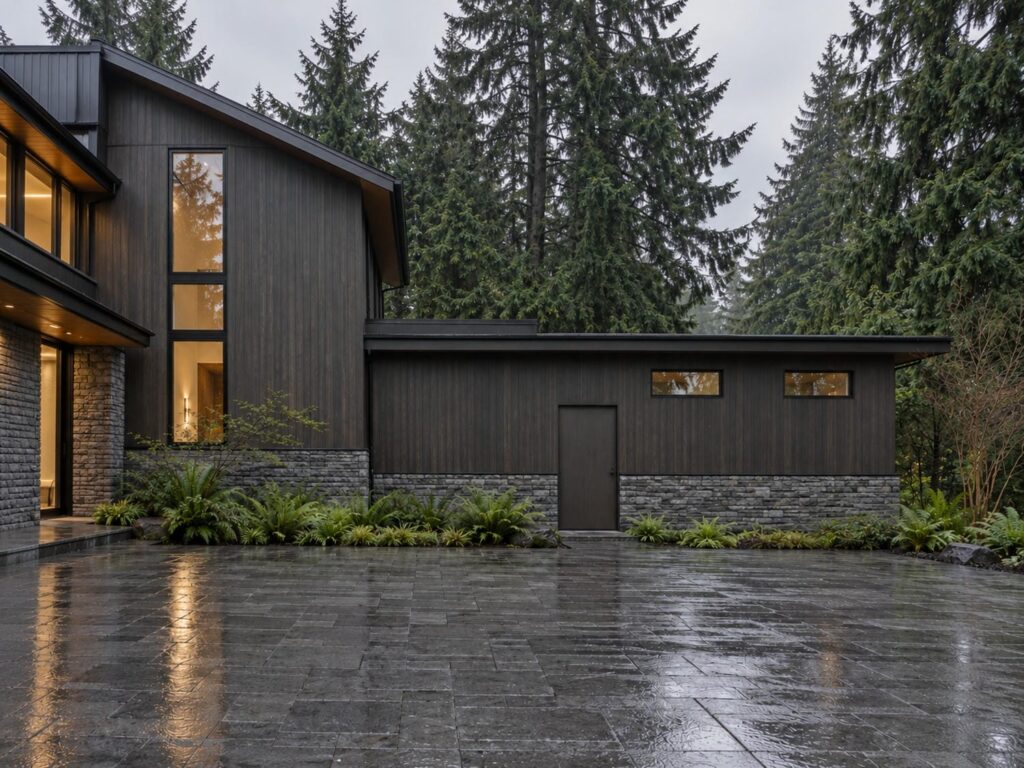
Staff Accommodations in Custom Home Design: Suites, Driver Rooms, and Duty Rooms
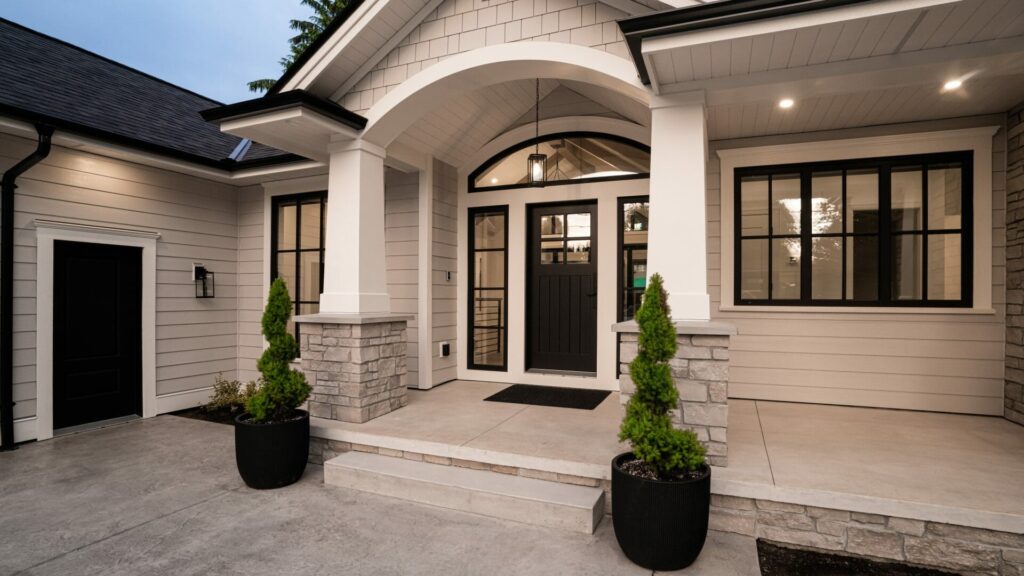


Building Resilience: Versa Homes’ Comprehensive Guide to Earthquake-Proofing Your Custom Home
Why Versa Homes Offers a Guaranteed Move-In Date — Or Pays You $5,000

Permit Costs in B.C.: What You’ll Really Pay (and Why It Matters)

How To Review Architectural Drawings Without Missing Details