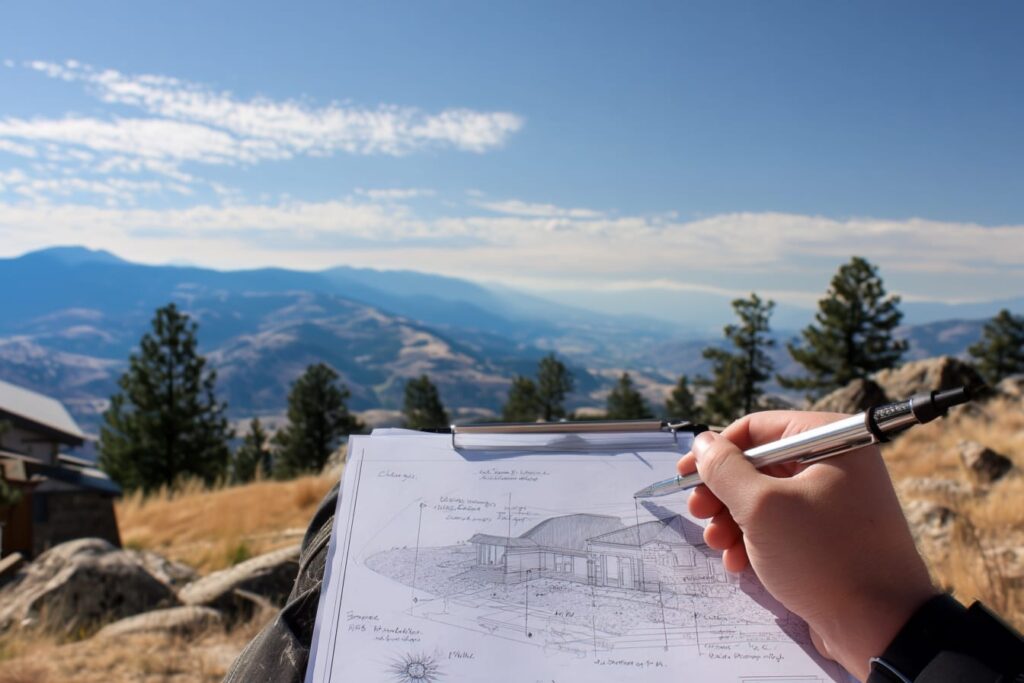

If you’re planning on working with a custom home builder, permits aren’t a footnote—they’re a line item that can reshape your budget. The bigger the build, the bigger the impact. And while cities market these charges as routine, the reality is they’re complex, scattered across departments, and easy to underestimate. Miss them, and your “safe” budget is suddenly on fire.
Let’s strip this down. You’ll see exactly what you’re paying for, when it’s due, and how cities calculate the numbers—without the fluff.
What Counts as a “Permit Cost” (and What Doesn’t)
Permits are approvals to build. Fees are what you pay to process and inspect the work. Then there are growth charges—city or regional fees that fund infrastructure like roads, water, and sewer. Finally, deposits exist to make sure you don’t damage public property. They’re refundable, but they still tie up cash during construction.
Here’s the breakdown you should keep in mind as you budget:
- Building Permit (BP): The main approval to construct your home.
- Trade Permits: Electrical, plumbing/drainage, gas/heating, and sometimes sprinkler/fire alarm.
- Demolition Permit: Needed if you’re removing an existing house.
- Occupancy/Final: The approval that lets you move in.
- Street Use / Right-of-Way: For sidewalk/lane closures, staging, or cranes.
- Tree, Shoring & Excavation Permissions: For protected trees, deeper digs, or shoring systems.
- Driveway/Curb Work: When you add or widen a crossing.
- Growth Charges: DCCs (most cities) or DCLs (City of Vancouver), plus regional charges in Metro Vancouver (e.g., TransLink, Metro water/sewer).
- Deposits/Securities: Tree protection, sidewalk/curb damage, erosion control, landscaping compliance.
Not permits, but related and unavoidable: surveys, geotechnical and engineering letters, energy/Step Code documentation, arborist reports, and possible BC Hydro/FortisBC service upgrades. These don’t show up on the city fee list—but you’ll need them to get approvals.
When Costs Hit Your Cash Flow
Timing is everything. Most homeowners underestimate the when, not just the what.
- At application: You’ll typically pay the building permit intake fees and some trade permits.
- During construction: Inspection fees, re-inspection fees (if corrections are needed), and certain street-use renewals.
- Before issuance or prior to framing/occupancy: Growth charges often land here.
- At the end: Occupancy fees—and the fight to get your deposits back. If sidewalks, trees, or boulevards were dinged – expect deductions.
Get this sequence wrong and even a well-funded project can stall.
The Core Permits You’ll Almost Always Need
Every custom home is different. But these approvals show up on nearly every single-family build in B.C. If your builder says otherwise, ask for the bylaw in writing.
Building Permit (BP)
This is the big one. It’s the city’s approval to construct your home according to the submitted plans. The fee is usually value-based—calculated on the estimated construction cost using a sliding scale, often with minimums and admin surcharges.
What it covers: plan review, building inspections, and compliance with the building bylaw and BC Building Code.
What gets submitted (handled by your design/builder team): drawings, structural details, site plan, energy/Step Code documents, geotechnical reports (if needed), and professional sign-offs.
Where people get burned: under-declaring construction value to “save” on fees. Cities can and do adjust the value upward. You’ll pay the difference—and you’ll delay issuance.
Pro tip: Treat the BP fee as a function of your total scope and quality level. Bigger home, higher spec, more complex engineering—expect the city’s valuation to reflect that.
Demolition Permit (if you’re replacing an existing house)
Tearing down before you build? You’ll need a demo permit.
What’s involved:
- A hazardous materials survey (and abatement, if needed).
- Utility disconnects and clearances.
- Site fencing, erosion and sediment control.
- Street-use permissions for bins, machines, or temporary lane closures.
Trade Permits (Electrical, Plumbing/Drainage, Gas/Heating, Sprinkler/Fire)
Each system has its own permit and inspection path. Fees are commonly based on fixture counts, device counts, or tiered schedules aligned to service size and scope.
Electrical: Service upgrades, panels, circuits, EV readiness—each adds cost and inspections.
Plumbing/Drainage: Every fixture and connection counts. Lot grading and stormwater management can add reviews.
Gas/Heating: Gas piping, appliances, and mechanical systems. Some jurisdictions tie this to energy compliance submissions.
Sprinkler/Fire (where required): If sprinklers are triggered by floor area, occupancy, or local bylaw, plan for separate drawings, permits, and inspections.
Who pulls the permit? Licensed trades typically do, but coordination is on your builder. Disjointed permitting causes failed inspections and re-inspection fees. Those add up fast.
Occupancy / Final Inspection
This is the finish line. No occupancy, no move-in—regardless of how “done” the house looks.
What cities look for:
- All life-safety systems operational and inspected.
- As-built surveys, final energy compliance, and professional letters (if applicable).
- Site works complete: driveway, curb, boulevard restoration, and tree protection removed correctly.
- Outstanding fees paid, and any required off-site works accepted.
The Site & Street Permissions Most People Forget
These approvals aren’t flashy, but they’re the ones that slow jobs down. They protect public spaces and keep construction safe.
Street Use / Right-of-Way Permits
Construction spills onto public land—sidewalks, lanes, and boulevards. Cities want control.
What this usually covers:
- Sidewalk or lane closures, temporary fencing, and staging areas
- Crane operations, material hoists, and delivery windows
- Traffic Management Plans and proof of insurance/bonding
Why it matters: Permits run on renewal clocks. If your build slips, extra fees pile up. Have your builder map those renewal dates into the construction schedule from day one—before any barricades go up.
Shoring, Excavation & Erosion Control
If your home needs a deeper basement, sits on a slope, or is close to a neighbour, the city adds extra checks. That’s normal—and it protects you and the street.
What you can expect
- City approval before digging. Your engineer provides shoring/excavation plans for sign-off.
- Erosion & Sediment Control (ESC) in place before excavation to keep mud out of streets and drains.
- Inspections after major storms and at key milestones to confirm everything’s still safe.
Why it matters to you
When mud hits the road, neighbours call—and the city responds. Weak ESC can trigger stop-work orders and extra inspection fees. Ask your builder how they’ll set up and maintain ESC so the job keeps moving.
Trees: Permits & Protection
City tree rules are strict—and enforced. If you have large trees on your lot (or on the boulevard), expect a few steps.
What to expect
- Arborist report and tree inventory. The city reviews this before saying yes to removal or pruning.
- Removal/pruning permits only when there’s a clear reason.
- Rigid tree-protection fencing installed before excavation and kept in place during construction.
What really affects cost and time
The permit fee is small. The bigger impact is how close you can build to trees and how you dig (hand-digging near roots, altered footing locations, slower excavation). Plan time and some budget for this.
Driveway Crossing & Frontage Work (New Custom Builds)
When you build new, the driveway crossing (curb cut, apron, and any sidewalk panel) is part of your required frontage upgrades. The city must approve location, width, and slope—it’s tied to your building permit.
What to expect
- Your builder submits a site/grade plan showing the new driveway location.
- The city approves the crossing (or sets conditions).
- The old crossing (if any) is removed; curb/sidewalk are rebuilt to current standards.
- Some cities require city crews or pre-approved contractors for curb/sidewalk work.
- The boulevard is restored (soil, grass, trees) and a final inspection signs it off—often before occupancy.
What really affects cost and timing
- How much curb/sidewalk must be replaced.
- Moving the driveway location vs. reusing it.
- Conflicts with utilities (hydro poles, hydrants, catch basins) or boulevard trees.
- Seasonal limits, weather/curing time, and contractor availability.

Growth-Related Charges That Move the Needle
Now the big-ticket items. These fund pipes, roads, transit, and community infrastructure. They aren’t negotiable, and they aren’t small.
Municipal Growth Charges: DCCs vs. DCLs
Most B.C. municipalities charge Development Cost Charges (DCCs). The City of Vancouver uses Development Cost Levies (DCLs). Different names, similar idea.
How they’re set:
- Per dwelling (single-family lot rate), or
- Per m² / by FSR category (area-based), often with lower rates for low-density forms
When you pay: Typically at building permit issuance or prior to occupancy—your city’s bylaw will spell it out.
What changes the number:
- Floor area and density category
- Secondary suites or additional dwelling units
- Location (some cities use area/sector maps with different rates)
Heads-up: Rates get updated. If your project spans a rate increase, you pay the current schedule on the day the city collects. This is something you should consider if you decide to hire a cost plus builder.
Regional & Agency Charges (Metro Vancouver)
If you’re in Metro Vancouver, add regional layers.
Common add-ons:
- Metro Vancouver DCCs: regional water and sewer (sometimes parkland)
- TransLink DCC: a per-dwelling transit charge
- School Site Acquisition Charges: by school district, where applicable
These sit on top of your municipal DCC/DCL and your building permit. Don’t lump them together—track them separately so you can validate each line against its own schedule.
Community Amenity Contributions (CACs)
Think of CACs as a give-back to the city when you ask for more than your current zoning allows.
If you’re building a standard single-family home on an existing lot with no rezoning, you usually won’t pay a CAC.
However, if you seek extra density (more units or floor area) or a different use, the city may charge a CAC—often a cash payment or in-kind improvements (like sidewalks, park space, or public art).
Because CACs are negotiated, the amount can be significant.
Deposits, Securities, and Inspection-Driven Costs
These aren’t fees in the classic sense—you get them back if you play by the rules. But they tie up cash, and release takes time. Treat them like part of your financing plan.
Damage Deposits (Sidewalks, Curbs, and Boulevards)
Cities hold funds to ensure you return public property to pre-construction condition.
How it works:
- You post a deposit before heavy construction
- Inspections at the end determine refunds
- Any cracks, chips, or broken irrigation? Expect deductions
Pro move: Photograph frontage, sidewalks, and curbs before work begins. Time-stamped photos save arguments months later.
Tree Protection and Landscaping Securities
If your plans show protected trees or new landscaping, you’ll post a security.
Release conditions usually include:
- Final arborist sign-off (no damage inside drip lines)
- Installed softscape/hardscape per approved drawings
- Survival periods for new plantings in some municipalities
Erosion, Sediment, and Site Management Bonds
Expect securities tied to ESC measures, silt control, and clean streets.
What triggers deductions:
- Silty discharge to storm systems
- Repeated street cleaning failures
- Ignored corrective notices
Re-Inspection Fees and Administrative Penalties
Failed inspections cost money and time. Stack enough of them and you’ll blow both.
Avoid it by:
- Sequencing trades with inspections in mind
- Submitting complete revisions when scope changes
- Having sealed letters ready before the inspector arrives

Where You Build Changes the Price
Even with the same floor plan, permit and fee totals change by municipality. If you’re building in Metro Vancouver, speak with a custom home builder in Vancouver first. They’ll benchmark costs across Vancouver, Surrey, Burnaby, Coquitlam, and the North Shore—and factor in TransLink and Metro water/sewer layers. That’s why two identical 3,000-sq-ft homes often land at very different totals.
Vancouver
- How the city charges: Building permit plus a city fee that scales with floor area.
- Regional add-ons: You also pay TransLink and Metro Vancouver water/sewer charges.
- What that means: A larger house in Vancouver usually pays more than the same house in many suburbs because the city fee grows with size and regional fees stack on top.
- Example: A 3,000-sq-ft home in Vancouver often totals higher permit/fee costs than the same home in Victoria, mainly due to the area-based city fee and the extra regional layers.
Surrey / Burnaby / Coquitlam / North Shore
- How the city charges: Building permit plus a city fee that’s typically per home (sometimes varies by neighbourhood/sector).
- Regional add-ons: You still add TransLink and Metro water/sewer.
- What that means: Totals can be lower than Vancouver for the same size home, but they still include the regional charges.
- Example: A 3,000-sq-ft home in Surrey might land below Vancouver because the city fee is per-home (not per m²), even after adding the regional items.
Victoria / Saanich
- How the city charges: Building permit plus a city fee that’s usually per home.
- Regional add-ons: Fewer regional layers than Metro Vancouver.
- What that means: For the same plan, totals can be lower than many Metro Vancouver municipalities. However, tree rules and deposits can add time and cash up front.
- Example: A 3,000-sq-ft home in Victoria often pays less in stacked fees than Vancouver because there’s no TransLink layer and city fees aren’t tied to floor area.
Kelowna (and many Okanagan cities)
- How the city charges: Building permit plus a city fee that changes by area/sector.
- Regional add-ons: No TransLink; regional water/sewer setups differ from Metro Vancouver.
- What that means: Your neighbourhood matters. Hillside or riparian areas can add reports, conditions, and time.
- Example: A 3,000-sq-ft home in one Kelowna sector may pay more than the same home a few blocks away if that sector has higher rates or extra site constraints.
The Simple Takeaway
- House size + how your city calculates its fee (per-home vs. per-m²) = the big swing.
- Metro Vancouver locations add TransLink and Metro charges on top.
- Site factors (trees, slopes, street closures) add permits and refundable deposits anywhere.
To put it simple… Pick your city, note your square footage and unit count, and ask: Is the city fee per home or per m²? If it’s per m² and you’re in Metro Vancouver, expect a higher stack than places that charge per home with fewer regional add-ons.
What Actually Moves Your Permit Costs
Small choices change big numbers. Here’s what tends to push totals up—or keep them in check.
- Home size. More square footage usually means higher city fees and more systems to inspect.
- Adding a suite. A basement suite or coach house can trigger per-home charges or higher brackets.
- Bigger services. Upgrading electrical, gas, or water increases permit scope and inspections.
- Your lot. Slopes, tight frontage, or protected trees add approvals, deposits, and time.
- Using the street. Cranes, dumpsters, or lane closures need street-use permits that renew—and fees can stack if schedules slip.
- Changes mid-build. Plan changes mean re-reviews, new fees, and potential delays.
FAQs: Permit & Fee Costs for a New Custom Home in B.C.
1) What permits and fees should I expect?
A building permit, separate trade permits (electrical, plumbing, gas), city fees (DCCs/DCLs), and—if you’re in Metro Vancouver—regional add-ons for TransLink and Metro water/sewer. You’ll also post refundable deposits for sidewalks, trees, and landscaping.
2) Why do costs change by city?
Each city uses its own formula. Some charge per home, others charge by floor area, and Metro Vancouver adds regional fees on top—so the same house can cost more or less depending on where you build.
3) How much should I budget, roughly?
Plan for tens of thousands. In Metro Vancouver, totals are often higher due to regional layers; elsewhere in B.C., they’re usually lower but still meaningful. Size and location drive the number.
4) When do I pay, and do deposits come back?
Most fees are due at permit issuance or before occupancy. Deposits are refunded after final inspections if sidewalks, trees, and landscaping pass—so yes, they come back if conditions are met.
5) Do I have to deal with City Hall myself?
No. Your builder should prepare applications, coordinate consultants, pull trade permits through licensed trades, and book inspections. You just review and sign.
6) Are these costs included with a fixed-price build from Versa Homes?
Yes. Versa Homes includes permits, city/regional fees, inspections, and required deposits in the fixed price—so you’re not chasing line items or surprises.
Fixed Price Means Real Certainty
Permit stacks are predictable if you know where to look—but they’re still a lot to manage. City bylaws, regional charges, trade permits, deposits, inspections, renewals—every line item touches your budget and your timeline.
Versa Homes builds custom homes on a fixed price. We bundle permits, growth charges, inspections, deposits, and close-out into one number. No hidden line items. No moving targets. You get a clear scope, a locked-in price, and a schedule you can trust—from first drawing to final walk-through.
If you want a custom home without chasing municipal math, fixed pricing is how you protect your budget and your peace of mind. Book a discovery call today or try our custom home pricing calculator to price out your dream home.


Felipe Freig
Founder of Versa Homes
Felipe Freig is the founder of Versa Homes, a Vancouver custom home builder known for architecturally driven, fixed-price projects. With years of hands-on site experience and deep permitting and by-law knowledge, Felipe leads high-performance teams that deliver precision craftsmanship, clear budgets, and on-schedule luxury homes.
You May Also Like...
12 Tips on Creating the Perfect Home Office: Custom Home Construction and Interior Design Insights
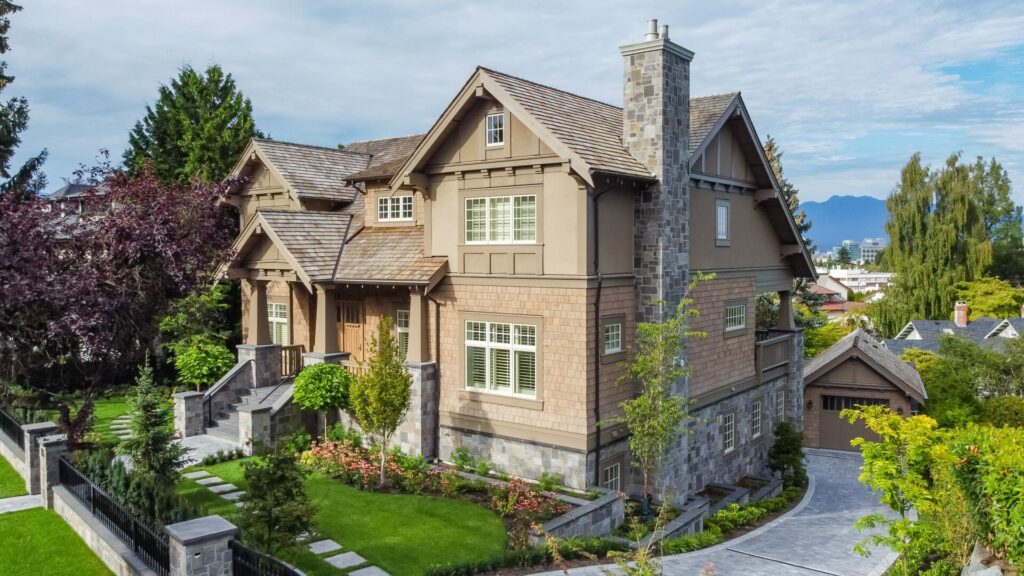
The Cost of Building a Custom Home vs. a Spec Home
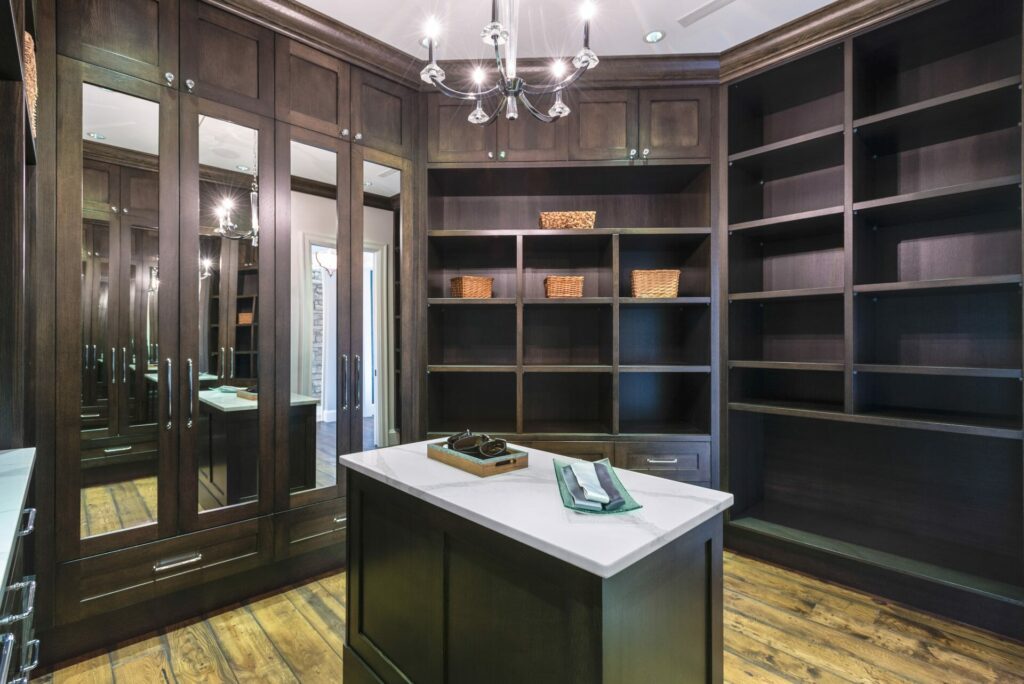
12 Unique Features to Include in Your Custom Home Build in 2025

Questions To Ask Builder References Before You Sign

Versa Homes: A Legacy of Excellence with 5 Consecutive Consumer Choice Awards

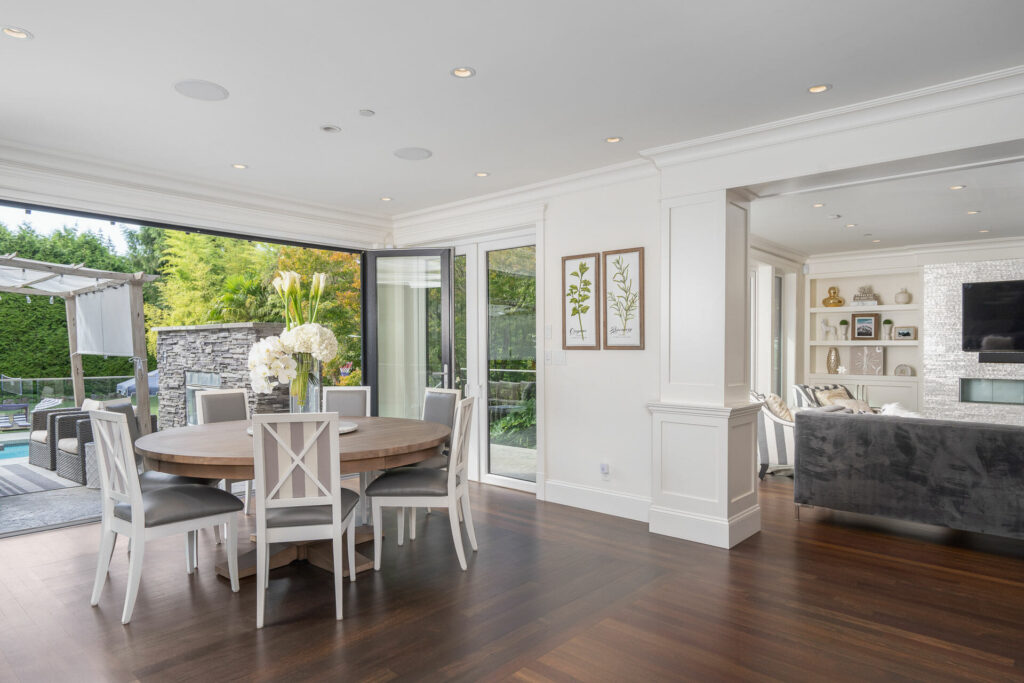


Discreet Handover and Move-In for a Custom Home: The Last Phase, Run Quietly
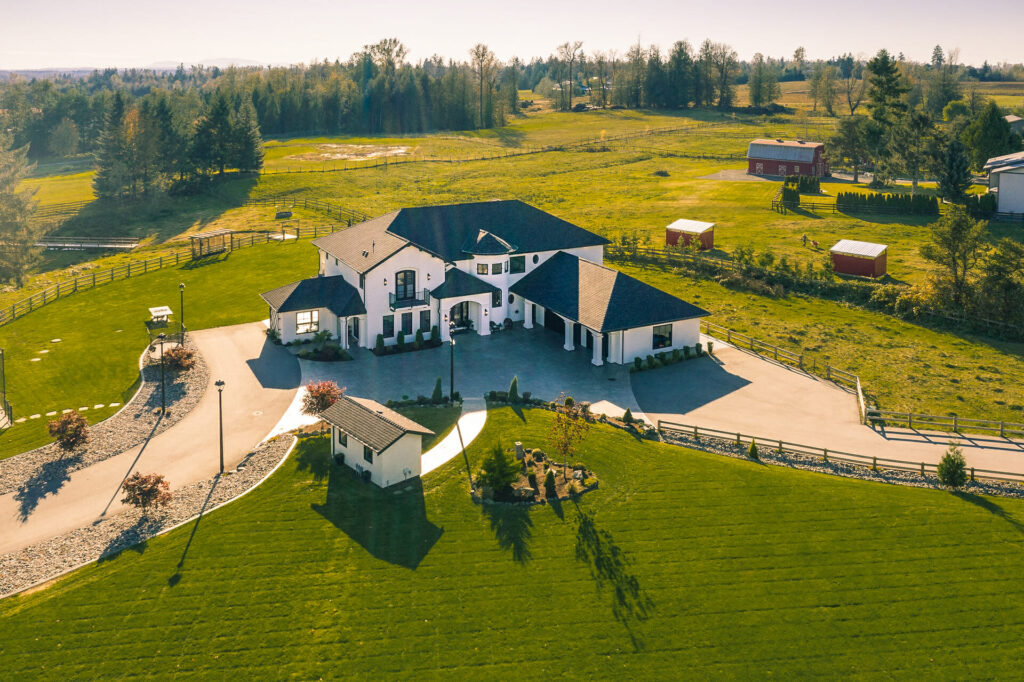
Understanding the Difference: Custom Home v.s. Custom Estate