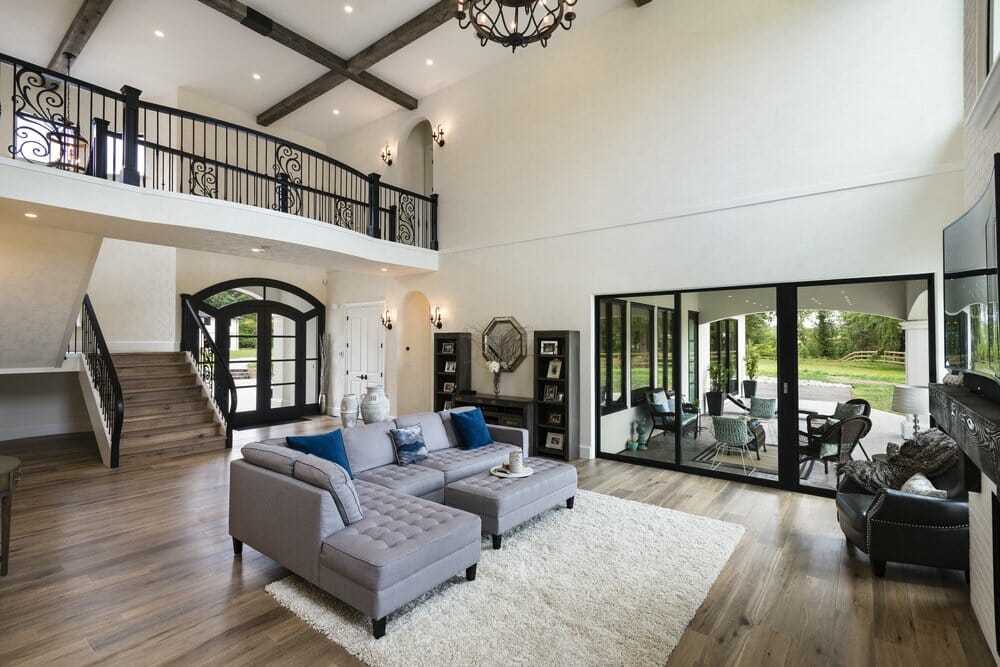

Two identical home designs can finish at very different prices. Why? Because the lot sets the rules. The ground and the street decide how much dirt you move, how tall the foundation gets, how trucks reach the site, and where water goes after it rains. Read your lot first, then shape the design around it. You’ll avoid surprises and keep your budget under control.
Lot Basics in Plain English
Slope is how your land tilts. It can rise from the street (uphill), drop away (downhill), or lean to one side (a cross-slope). Even a gentle tilt changes excavation, wall heights, and driveway comfort.
Frontage is the usable space at the street. It’s the width and clear area where trucks, bins, and—sometimes—a small crane need to set up. Wide frontage speeds everything up. Tight frontage slows everything down.
Why these two matter most: slope pushes earthwork and foundation costs; frontage drives access and labour. Together, they’re the quiet levers that move your budget.

A 10-Minute LotCheck (No tools required)
Walk the property and note what you see. Snap photos from the curb, both front corners, the back fence, and the centre of the yard.
1) Spot the slope
- Stand at the curb and look toward the back fence. Does the land rise, sit flat, or drop away?
- Now look left to right. Does one corner sit lower? That’s cross-slope.
- Neighbor clues help: steep driveways or short retaining walls on the block signal elevation changes.
Why it matters: Slope affects how much soil you cut or fill, how tall the foundation becomes on each side, and whether a walkout basement makes sense.
2) Measure your frontage with your eyes
- Is there room for a bin and a delivery truck without blocking traffic?
- Are you on a narrow street or in a cul-de-sac with sharp turns?
- Is there a rear lane? Lanes are gold for deliveries and staging.
Why it matters: Tight frontage = smaller, more frequent drops, more hand-carrying, and slower days. That’s real money.
3) Read the surface
- Do you see rock peeking through the grass?
- Are there soggy spots that stay wet after rain?
- Any old timber walls, sunken patios, or obvious “patch jobs”?
Why it matters: Rock can slow digging. Persistent wet areas hint at a high water table or poor drainage—both need planning.
4) Map the immovables
- Hydrants, street trees, power poles, guy wires, manholes, catch basins, utility boxes—note them all.
- Pace out how close they are to where you’d like the driveway.
Why it matters: These objects steer driveway location, trench routes, and where a crane could set up. They are expensive to move and slow to approve.
5) Find service clues
- Overhead or underground power?
- Where do water and sewer likely connect (often in line with the current house)?
- Any visible cleanouts or shut-off valves near the sidewalk?
Why it matters: Short, straight service routes save trenching time and avoid conflicts with trees and utilities.
Quick win: Sketch the lot on paper. Draw arrows for slope, circles for trees, and squares for utilities. That 60-second map will guide smarter design choices than any “perfect” plan drawn in isolation.
How Slope Changes Cost
Slope isn’t a problem. Pretending it isn’t there is. Here’s how grade turns into dollars—and how to keep those dollars in check.
Digging and dirt moving
A sloped yard needs cut and fill to make flat areas for the house, patio, and driveway. If you remove more soil than you reuse, you export it (pay for trucking and disposal). If you need more soil than you have, you import engineered fill (pay to bring it in). Weather matters too—wet soil is heavier and slower to handle.
Smart move: Ask your designer to nudge floor heights and yard grades so you balance soil on site. Fewer truckloads = less cost and less schedule risk.
Foundation height and shape
You can fight slope with a tall, continuous wall, or work with it using stepped foundations that “stair-step” with the land.
- Tall wall: more concrete, more reinforcing steel, more waterproofing, and longer curing time.
- Stepped foundation: shorter segments that often cost less and make the house feel settled into the site.
Design ripple: Steps in the foundation change stair runs and window heights. Coordinate early so interiors and structure line up cleanly.
Basements: walkout vs. full-depth
Downhill lots almost beg for a walkout basement. It feels great and adds natural light. However, doors at grade need careful drainage and waterproofing, plus thoughtful grading so surface water flows away from the house, not toward it.
Smart move: After rain, watch how water actually moves on your lot. If it wants to cross your future patio, adjust the grading plan now—not after framing.
Driveway comfort (and winter reality)
Driveways need livable slopes. Too steep, and winter turns tricky. Often the fix is simple: shift the footprint, flip the garage to the high side, or consider a split-level so the driveway stays reasonable without heavy retaining.
Smart move: Stand at the curb and imagine daily parking in rain, snow, and ice. If it feels sketchy, change the approach before drawings are final.
Rainwater always wins—give it a lane
On sloped sites, rain moves faster. Plan a safe path with gentle swales, French drains, or yard basins that lead to the approved outlet. Keep water away from the foundation and off neighbor property lines.
Smart move: Ask your builder to show you the “water map” for the lot—where it starts, how it travels, and where it ends.

How Frontage Changes Cost
Frontage is the usable space at your curb. It decides how easily people and materials reach the house. When frontage is tight, everything takes longer—and longer usually means pricier.
Equipment needs space
Concrete trucks, pumps, delivery vans, and small cranes all need clear setup zones and turning room. Overhead wires and street trees can block booms; parked cars and bus stops can block curbside space. If big equipment can’t set up, you switch to smaller loads and extra handling. That adds labour hours you won’t see on a glossy floor plan—but you will see on the invoice.
What to look for:
- Can a truck park without blocking traffic?
- Is there a rear lane for materials and bins?
- Are there low branches, wires, hydrants, or poles where you’d stage?
Longer carries = slower days
When you can’t stage close to the build, crews walk farther with lumber, drywall, tile, and windows. Those extra steps add minutes to every task. Multiplied across weeks, they stretch the schedule and raise costs.
Driveway location is a cost lever
A driveway placed on the “easy side” of the lot can shorten trench runs for power, water, and sewer, improve crane setup, and avoid curbside obstacles like catch basins or street trees. Moving it a few metres now can save thousands later.
What to check: Stand at the curb and “mentally place” a bin, a delivery truck, and a crane. If they don’t fit, the smarter driveway side usually reveals itself.
Slope + Frontage Together: Compare at a Glance
| Lot Scenario | Cost Impact | Schedule Impact |
| Flat + Wide | Low | Low |
| Flat + Tight | Low–Medium | Medium (access limits) |
| Sloped + Wide | Medium–High | Medium–High (earthwork, curing) |
| Sloped + Tight | High | High (access + earthwork) |
Homeowner FAQs (Quick, Practical Answers)
How do I tell if my lot will be expensive to build on?
Look for slope, tight frontage, big street trees, rock outcrops, soggy corners, and crowded curbs (poles, hydrants, catch basins). The more of these you have, the more you should plan for earthwork, retaining, and careful staging.
Do slopes always require big retaining walls?
No. Stepped foundations and short terraces often beat one tall wall. They use less material, look better, and can build faster.
What if we hit rock or groundwater while digging?
It happens. A good plan includes a contingency and a decision tree: drill/blast or redesign near rock; pumps, drains, or grading tweaks for water. Ask for the “if-this-then-that” plan before excavation starts.
Why does a narrow frontage slow everything down?
Because equipment and deliveries need space. Without it, crews make smaller, slower moves and walk materials farther. Planning smaller drops, one great crane day, and smart bin placement gets that time back.
How much contingency should we hold for site surprises?
It’s site-specific. Ask your builder to propose a contingency that targets earthwork, retaining, and access—the items most likely to move on sloped or tight lots. Custom home builders like Versa Homes offer fixed pricing so you dont have to worry about contingency funds.
Fixed-Price: No Guesswork on Slope & Frontage
Your lot sets the rules—but you shouldn’t carry the risk. With a fixed-price custom home builder like Versa Homes, the site realities (slope, tight frontage, access and staging) are priced in up front. No fuzzy allowances. No “we’ll find out when we dig.” No surprise add-ons when a truck can’t set up or a wall needs an extra step.
What’s locked in with our fixed price
- Earthwork & hauling: cut/fill balance, export/import—accounted for.
- Foundation & retaining: stepped vs. tall walls—chosen and priced.
- Drainage & waterproofing: the “water map” and the required upgrades—covered.
- Access & staging plan: delivery sizes, one efficient crane day, bin placement—planned and included.
- Frontage work: driveway location/slope, curb/sidewalk restoration (where required)—in the number.
How it protects you
- One number covers the real site costs—not just the house shell.
- Clear contingencies tied to rock/groundwater or weather windows—defined, not open-ended.
- A schedule you can trust because logistics and sequencing are solved before day one.
If you want a custom home without carrying slope and frontage risk, choose Versa Homes’ fixed price. We do the hard site math first—so your budget stays predictable from design to move-in. Contact us today to book a discovery call.


Felipe Freig
Founder of Versa Homes
Felipe Freig is the founder of Versa Homes, a Vancouver custom home builder known for architecturally driven, fixed-price projects. With years of hands-on site experience and deep permitting and by-law knowledge, Felipe leads high-performance teams that deliver precision craftsmanship, clear budgets, and on-schedule luxury homes.
You May Also Like...
Soundproofing An Executive Home Office In A Custom Home
Exposing the Truth About Cost-Plus Contracts in Custom Home Building

Questions To Ask Builder References Before You Sign
The Final Touches: Explore Exquisite Finishing Details for Your Custom Home
Elevating Outdoor Living Spaces: Inspiring Ideas for Luxury Custom Homes in Vancouver

Off-Market Lots In Greater Vancouver: How Discreet Lots Get Sold
Schematic Design Vs Design Development: What Custom Home Clients Need to Know

Is 2025 the Right Time to Build a Custom Home in Langley?