


If you want a bright custom home, you’re really chasing good daylight, not “more glass.” Window-to-wall ratio (WWR) is the percentage of your exterior walls that are glass. A higher WWR can boost light and views, but it can also increase glare, overheating, heat loss, and window costs. We help you find the right balance as part of our custom home architectural design process, so your home feels great year-round, not just on sunny rendering day.
Most homeowners get stuck because advice is usually one-sided. Architects push aesthetics. Window reps push glass. Builders push cost control. You need a simple framework that protects comfort and budget at the same time.
This guide explains what WWR means, what “good daylight” actually is, and how to make smart window decisions that still work with BC energy expectations.
What Window-To-Wall Ratio Means In Plain English

Quick Definition And Simple Formula
Window-to-wall ratio is a percentage: glass area divided by exterior wall area. In plain language, it tells you how much of your wall is transparent instead of insulated. You can calculate it for one side of the house (south wall, for example) or for the entire building envelope.
Here’s an easy example. If one exterior wall has 100 units of wall area and your windows and glazed doors on that wall add up to 30 units, your WWR on that wall is 30%. The exact measurement method varies depending on who’s calculating it, but the concept is always the same: more glass means less insulated wall.
WWR is not a style metric. It’s a performance and comfort lever that also affects how your elevations look. That’s why we treat it as a design decision, not a finishing choice.
Daylighting Vs Sunlight Vs Glare
- Daylighting is useful natural light that makes a room feel open and reduces reliance on artificial lighting.
- Sunlight is direct solar beam that can be wonderful in the right spot and miserable in the wrong one.
- Glare is when brightness is uneven, like a bright window in your peripheral vision while the rest of the room is darker.
A room can have huge windows and still be a bad daylighting room. If the sun blasts the sofa at 5:30 pm and you keep the blinds down, you’re not getting the benefit of that glass. Good daylight is controlled, spread out, and comfortable.
When you plan windows, the goal is not maximum brightness. The goal is a home that feels calm in the morning, usable at noon, and comfortable in the evening.
More Glass Can Make A Home Less Comfortable

The Trade-Offs Most People Don’t Expect
Glass is a weak link compared to insulated wall. Even high-quality windows typically insulate less than a well-built wall assembly. That means higher WWR can increase heat loss in winter and make rooms near windows feel cooler, even if your thermostat says the house is warm.
In shoulder seasons, large west- or south-facing glazing can create overheating. That can force bigger mechanical systems, more shading devices, or a lifestyle where blinds stay closed. It also raises your window budget quickly, because window packages scale faster than most people expect.
None of this means “avoid windows.” It means you should place windows with intent, and treat window area like you treat square footage: every extra unit should earn its keep.
Why Floor-To-Ceiling Everywhere Often Backfires
Floor-to-ceiling glass looks clean in photos. In real life, it often creates privacy problems, furniture layout problems, and glare problems. It can also reduce wall space where you actually need it, like for kitchen cabinets, artwork, or bedside tables.
The other issue is behaviour. If a design makes you close blinds for comfort or privacy, you’ve paid for glass you’re not using. A quieter approach often performs better: fewer openings, placed better, with higher heads and cleaner sightlines.
Luxury daylight is not “all glass.” Luxury daylight is a home that stays bright and comfortable without constant adjustment.
What Actually Drives A Good Window-To-Wall Ratio

Orientation, Not Style, Does Most Of The Work
Orientation is the biggest driver of window success. The same WWR can feel amazing on one lot and terrible on another. North light can be soft and consistent. West light can be harsh and hot. South light can be great with the right control. East light can be pleasant, but it can also cause morning glare where you don’t want it.
This is why copying a glazing strategy from a different climate or a different lot is risky. A sleek modern elevation with huge west-facing glass can become a daily blind-down situation in summer. You can still get the look, but you need control, not wishful thinking.
A smart window plan starts with the sun and the site, then builds the architecture around it.
Room Use And Privacy Matter More Than Averages
Average WWR across a whole house can hide bad decisions. A home can “average out” to a reasonable ratio while still having one room that overheats every afternoon. The better approach is to think by room and by façade.
Living rooms and kitchens often benefit from larger openings because you spend time there and want connection to the yard. Bedrooms often benefit from smaller, more controlled openings because comfort and privacy matter more than views. Bathrooms need daylight, but they don’t need big glass.
This is also where street-facing vs backyard-facing matters. The front elevation often needs more privacy control. The rear elevation can often carry more glazing if it faces the right direction and has real outdoor space to connect to.
Views And Neighbouring Conditions
A big window is only valuable if it faces something worth looking at. If your neighbour’s second-storey looks into your living room, the “view” becomes a privacy problem. If your lot is shaded by trees or adjacent buildings, simply adding glass may not add much daylight.
The smarter move is often to design your layout to borrow and share light. Open sightlines, higher interior openings, and thoughtful room placement can make a house feel brighter without increasing WWR. This is especially important in tighter neighbourhoods where you’re balancing daylight with privacy.
When we do site analysis early, we’re looking for those daylight opportunities before we lock elevations.
Fast Planning Guide: How To Choose Your Daylighting Strategy
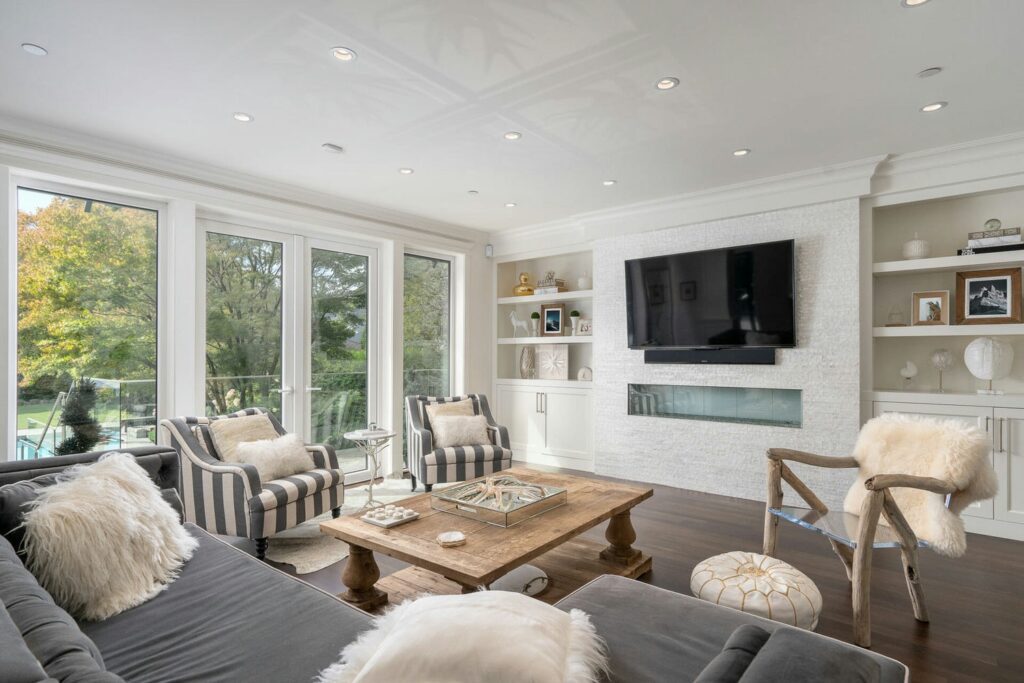
5-Step Checklist Before You Add More Windows
If you do nothing else, do this early. It protects your budget and your comfort.
- Pick your daylight priority rooms. Choose the 2–3 rooms where daylight and views matter most.
- Map those rooms to the best sides of your lot. Put the highest-value rooms where the light behaves best.
- Set a glazing budget early. Treat windows like a major line item, not a “later” decision.
- Improve placement before area. Higher heads, better spacing, and fewer stronger openings often win.
- Confirm performance before you finalize elevations. Use early energy and comfort checks so you don’t redesign later.
This checklist fits naturally into the early design phases, when changes are easy and inexpensive. If you want a clear view of when these decisions should happen, we lay out the whole sequence in our guide to architectural design phases.
The point is simple: decide the daylight strategy while the plan is still flexible. Don’t wait until you’re emotionally attached to an elevation and then discover it doesn’t live well.
Daylighting By Direction
Use this as a starting point, not a rulebook. Lots with trees, slopes, and neighbouring buildings can change the outcome.
| Orientation | What It’s Good For | What You Need To Control |
| North | Soft, even daylight with low glare | Cooler feel near glass if WWR is high |
| South | Strong daylight and winter sun potential | Summer overheating, glare without shading |
| East | Morning light in kitchens and breakfast areas | Early glare in bedrooms and offices |
| West | Afternoon light and sunsets | Overheating and harsh glare in late day |
If you take one lesson from this table, make it this: treat west glass with respect. You can absolutely use it, but you usually need shading, careful sizing, or both.
A “balanced” home isn’t one with equal windows on every side. It’s one where each side is designed for what that light actually does.
How To Get Better Daylight Without Increasing Window Area
Placement Beats Quantity
Window placement often matters more than window area. A higher window head can throw light deeper into a room. A window placed where it lights a wall surface can make a space feel brighter than a larger window that just creates contrast.
You also get more value when windows align with how you use the room. A big window behind a sofa may look good, but it can create glare for anyone sitting there. Meanwhile, a well-placed opening near a stair or hallway can brighten the entire circulation path and make the home feel lighter overall.
If you’re worried about budget, this is good news. Better daylight does not always require more glazing cost. It often requires better planning.
Layout Moves That Share Light
Daylight is easier to create when your plan allows light to travel. Open sightlines, fewer unnecessary partitions, and thoughtful connections between rooms can let one good window serve multiple spaces.
This is why daylighting belongs in schematic design, not as a late-stage “window package” conversation. The plan can either help daylight or fight it. If you want to understand when layout decisions should lock versus when refinement happens, our breakdown of schematic design vs design development is a helpful reference.
When you solve daylight through layout, you also solve a second problem: you reduce the need for blinds and privacy film. The home becomes comfortable by design, not by add-ons.
Interior Surfaces And Reflectance
Interior surfaces quietly control daylight. Lighter ceilings and walls bounce light around. Matte finishes reduce glare. Dark surfaces can look rich, but they also absorb light and make rooms feel smaller and moodier.
You do not need an all-white interior to get good daylight. You do need to avoid the combination of small windows, deep overhangs, and dark interiors if “bright and airy” is your goal. A balanced palette can still feel bright if the major surfaces support the daylight plan.
This is also where ceiling height and room proportions matter. A well-proportioned room with moderate windows can feel brighter than a tall room with poorly placed glass.
How Energy Requirements Influence Window Design In BC
Why WWR Shows Up In Energy Modelling
WWR affects how much heat your home gains and loses. More glass can mean more solar gain, but also more heat loss and more discomfort near the window zone. Energy modelling helps you understand whether your window strategy is supporting your comfort and performance targets, or quietly undermining them.
This is not about chasing a number for bragging rights. It’s about reducing the risk of redesign. If you push WWR high in one direction without control, you may end up compensating later with bigger mechanical systems, different glazing specs, or shading you didn’t plan for.
When we coordinate glazing decisions early, we can design the envelope, mechanical approach, and window package as one system. That’s how you avoid surprises.
Where To Check The Provincial Framework
If you want to see the provincial context that influences energy performance requirements in BC, the BC government’s Step Code resources are a good starting point. It will not tell you exactly what your municipality requires on your street, but it explains the framework behind how energy performance is measured and improved.
The practical takeaway for homeowners is simple: windows are not just aesthetic. They are part of the performance model. That’s why we treat daylight, comfort, and energy as one conversation.
How Window Decisions Show Up In Your Drawings And Permits
What Gets Locked In Design Development
Window size and placement should stabilize in design development. At that stage, windows affect elevations, structural openings, insulation continuity, and energy performance. When windows keep changing late, everything downstream gets messy: structure updates, energy updates, and permit drawing updates.
This is also where your initial priorities matter. If your brief is clear about what rooms need daylight, what views matter, and what privacy concerns exist, your design team can place windows with confidence. If you want a practical guide to setting those priorities early, check out our guide to writing a clear design brief for your custom home build.
A disciplined process is not about saying “no changes.” It’s about making changes at the right time, when they are cheap, fast, and low-risk.
What The City Needs To See In A Permit Set
Municipal approvals rely on clear drawings. Window locations and sizes show up in elevations, sections, and window schedules. They also interact with building code items like egress requirements, guard conditions, and sometimes energy documentation depending on your municipality and project path.
If your windows are still in flux, your permit set becomes a moving target. That usually means more review comments and more re-submissions. We break down what a complete permit drawing set looks like in our Vancouver permit set guide.
The point is not “design for the City.” The point is to document a stable design so approvals can move without constant rework.
How We Approach Daylighting And WWR At Versa Homes
Design Once, Build Once
We treat daylighting as a planning problem first. We start with what you want the home to feel like, then we test it against the lot, orientation, privacy, and performance goals. We decide where daylight matters most, and we build the layout around that intent.
Then we refine. In schematic design, we test options and choose a direction. In design development, we coordinate window placement with envelope performance and structure so the design holds together. That’s how you avoid the pattern of “pretty elevation first, uncomfortable room later.”
This approach protects your budget too. A good daylight strategy often reduces wasteful glass and puts money where it performs, like better glazing where it matters and better insulation where it pays back.
What This Looks Like For Clients
You get clarity early. We set a window strategy while the plan is still flexible, then we lock major moves before permitting and pricing get serious. That reduces redesign and keeps the project moving.
You also get a process you can trust. We build custom homes under a fixed-price contract model once the scope is defined, we run a detailed schedule with pre-booked trades, and you can track progress in a client portal with daily logs and photos. Those systems only work when early decisions like glazing and WWR are handled with discipline.
This is what “premium” looks like in practice: fewer surprises, cleaner decisions, and comfort you feel every day.
Design a Brighter Home- Without the Tradeoffs
If you want a bright home without glare, overheating, or a runaway window budget, start by treating daylight as part of the design system, not a window package at the end. We can help you set the right priorities, test options early, and coordinate windows with envelope performance so your home looks good and lives even better. If you’re just in the planning stages, start with our custom home architectural design services here.
FAQs
What Is Window-To-Wall Ratio In A Custom Home?
Window-to-wall ratio is the percentage of an exterior wall that is glass. It’s calculated by dividing the total window and glazed door area by the total exterior wall area. It can be measured per façade or across the whole home.
Is A Higher Window-To-Wall Ratio Always Better For Daylight?
No. Higher WWR can increase daylight, but it can also increase glare, overheating, and heat loss. Better window placement and layout often deliver better daylight than simply adding more glass.
How Do Sliding Glass Doors Affect Window-To-Wall Ratio?
Sliding doors count as glazing area, so they can raise WWR quickly. They can be a great indoor-outdoor connection, but they should be planned with privacy, glare, and overheating in mind, especially on west-facing elevations.
Can Too Much Glass Cause Overheating In BC?
Yes, particularly on west and south exposures without shading or control. Overheating is often a comfort issue first and an energy issue second. If blinds stay closed to manage heat, the daylight benefit disappears.
Does Window-To-Wall Ratio Affect BC Energy Step Code Compliance?
WWR can influence energy modelling because it changes the heat-loss and heat-gain balance of the envelope. Your compliance path depends on your municipality and project details, but window strategy almost always matters to performance.
How Do I Reduce Glare Without Making Rooms Dark?
Start with placement and orientation, then use shading strategies like overhangs, screens, or selective glazing where needed. Reducing contrast inside the room also helps, such as using lighter ceilings and avoiding highly reflective finishes near windows.
When Should Windows Be Finalized In The Design Process?
Major window locations and sizes should stabilize during design development. That’s when structure, envelope assemblies, and energy performance are being coordinated. Constant window changes late often create cost and permit delays.
What’s The Best Way To Prioritize Daylight If My Lot Has Privacy Issues?
Focus daylight where you can control sightlines, such as higher heads, selective openings, and borrowing light through layout. Prioritize rooms and moments that matter most, and avoid creating a “glass exposure” problem that forces blinds down all day.


Felipe Freig
Founder of Versa Homes
Felipe Freig is the founder of Versa Homes, a Vancouver custom home builder known for architecturally driven, fixed-price projects. With years of hands-on site experience and deep permitting and by-law knowledge, Felipe leads high-performance teams that deliver precision craftsmanship, clear budgets, and on-schedule luxury homes.
You May Also Like...
Is Versa Homes the right custom home builder for you?

Top Home Security Gadgets: Enhancing Safety in 2024
5 Reasons to Build a Custom Home & Live in Langley, BC

City Vs. Suburban Living: What’s Right for Your Custom Home Build?

Why Langley is a Top Location to Build a Custom Home in BC
The Art of Precision: A Deep Dive into the Home Painting Process
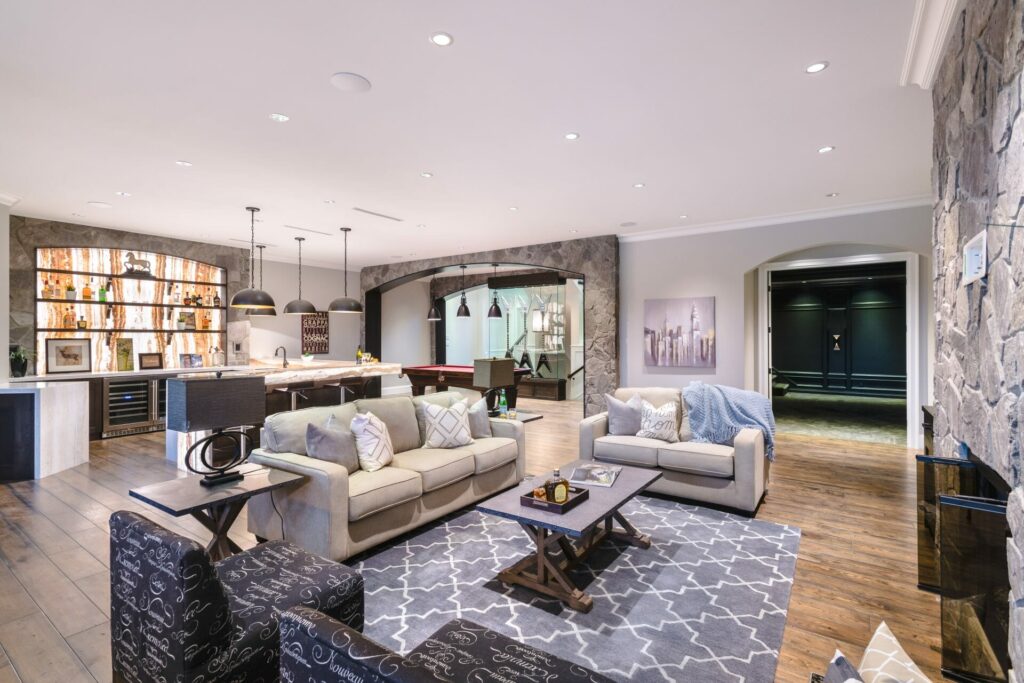
Elevating Your Basement: Creative Renovation Ideas for a Custom Home or Luxury Estate
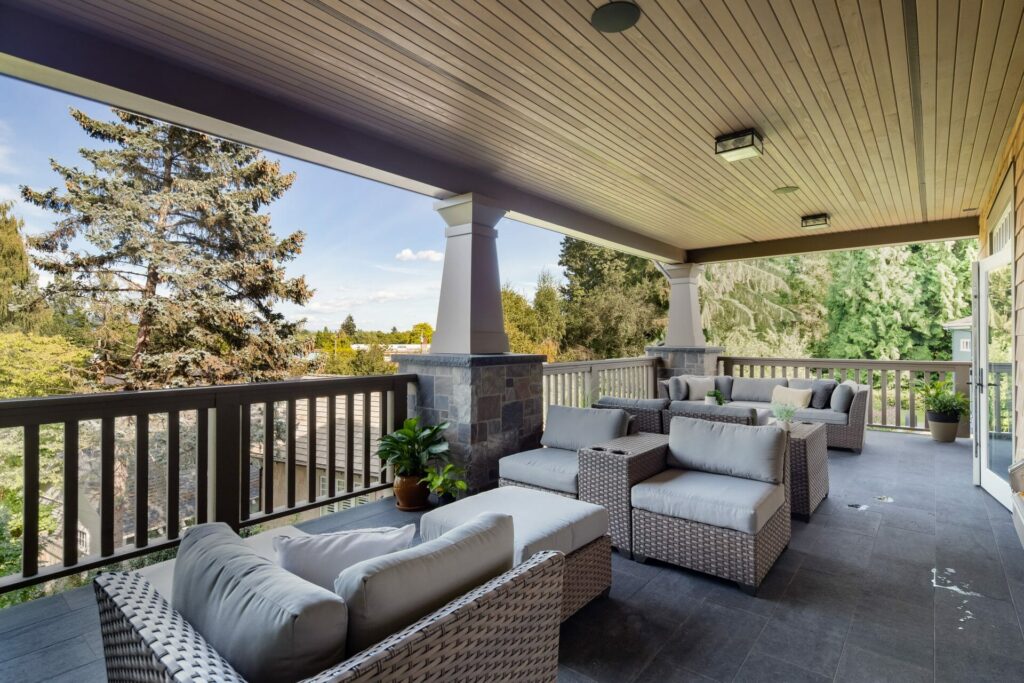
Elevating Outdoor Living Spaces: Inspiring Ideas for Luxury Custom Homes in Vancouver
What Should a Builder Charge to Build a Custom Home
